
How Monad’s parallel execution engine changes L1 throughput
Monad achieves 10,000 transactions per second through optimistic parallel execution and MonadBFT. This architecture overcomes sequential bottlenecks found in traditional EVM chains, offering sub-second finality compared to Ethereum's 12.8-minute delay.

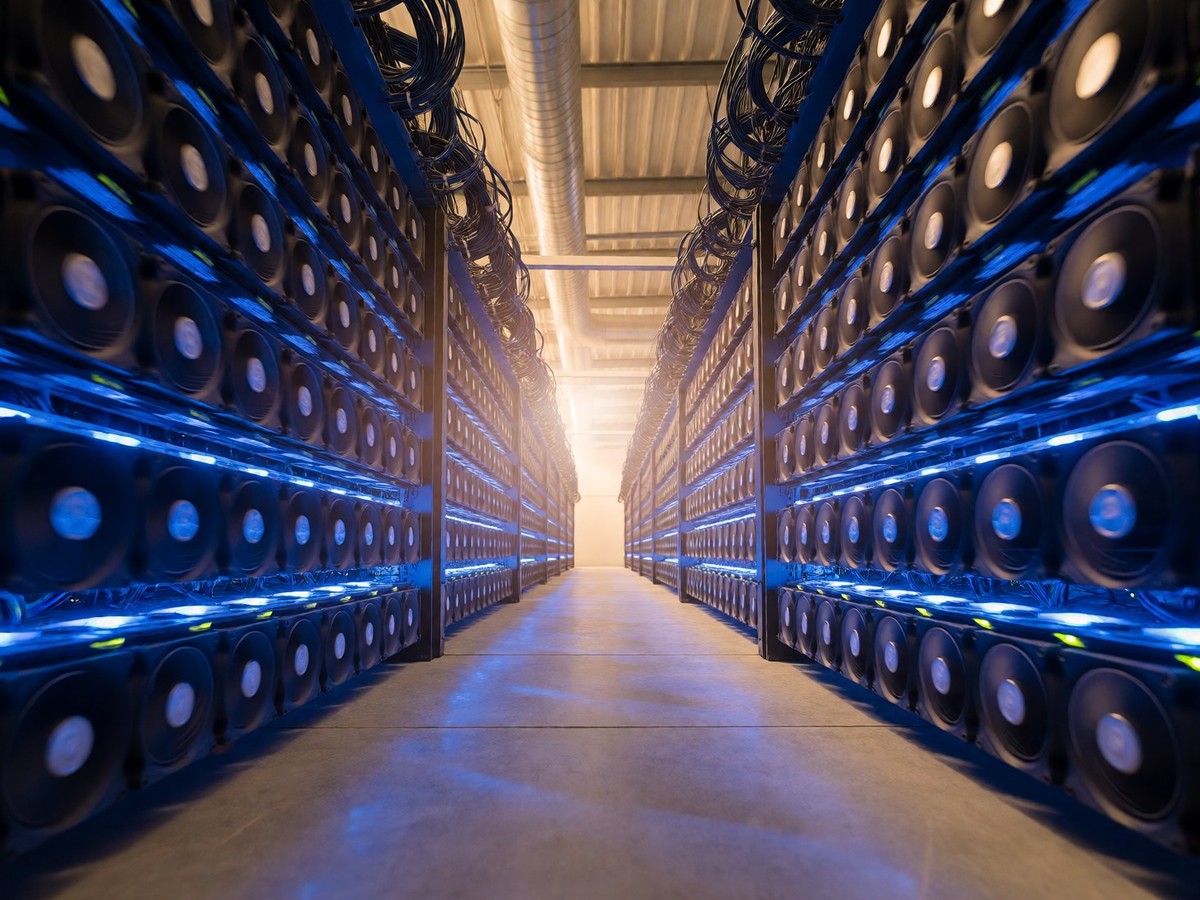
Monad provides the necessary infrastructure for high-performance decentralized applications. The network achieves 10,000 transactions per second through optimistic parallel execution. This method allows validators to process multiple non-conflicting transactions at the same time on multi-core processors. If the system detects a state conflict, such as two transactions attempting to modify the same account, it re-executes the affected transactions to maintain consistency. Monad separates transaction ordering from execution through deferred execution. MonadBFT, a variant of the HotStuff protocol, provides 1-second single-slot finality. Once a transaction is confirmed, it remains final and cannot be reverted. MonadDB supports parallel reads and writes to NVMe drives using asynchronous I/O. This architecture avoids the sequential bottlenecks that limit traditional Ethereum Virtual Machine chains. The design relies on a shared mempool where validators observe the same set of pending transactions before block production. This design improves execution predictability and reduces edge cases that arise from divergent mempool views. Founders Keone Hon, Eunice Giarta, and James Hunsaker, who came from the high-frequency trading firm Jump Trading, led the project. Monad Labs raised $225 million in a funding round led by Paradigm.
Benchmarking against existing Layer 1s
Monad delivers high throughput without requiring Layer 2 solutions. While Ethereum L1 processes roughly 18.97 transactions per second, Monad targets 10,000. Solana manages an average of 1,500 to 2,000 real transactions per second and has a ceiling of 65,000. Sui and Aptos maintain real-world averages of around 100 to 150 transactions per second. Monad effectively scales the base layer to handle heavy loads and high transaction volumes. Since the November 24, 2025 mainnet launch, the ecosystem grew to include Uniswap, Curve, and Morpho. Kuru also utilizes the network for its hybrid orderbook and raised $11.6 million in funding. This public sale on Coinbase, which was open to over 80 countries, implied a $2.5 billion fully diluted valuation, while Monad trades at $5 billion in premarkets. Sui recently announced a 40.6 million TPS benchmark in off-chain tunnels, while Aptos targets 160,000 TPS. Compared to the 12.8-minute finality of Ethereum, Monad provides sub-second finality. However, the network must still prove it can sustain 10,000 transactions per second during periods of intense congestion.
| Feature | Monad | Ethereum L1 | Solana |
|---|---|---|---|
| Target TPS | 10,000 | 240 | 65,000 |
| Real TPS (Avg) | 10,000 | 18.97 | 1,500 to 2,000 |
| Finality | 1 second | 12.8 minutes | < 1 second |
Developer and user tools
Solidity developers port existing applications to Monad without changing their toolset. The network remains fully compatible with the Ethereum Virtual Machine and the Shanghai fork. Because the network uses the same secp256k1 cryptographic material, hardware wallets such as Ledger, Trezor, and Keystone sign Monad transactions using the same derivation path and method they use for Ethereum in all their operations. You can manage your assets with the same tools you use for Ethereum. Smart contract size limits on Monad exceed Ethereum’s limits by more than five times. The MON token has a 100 billion total supply. Airdrop eligibility included 230,000 community members across five categories: Monad Community, On-chain Users, Crypto Community, Crypto Contributors, and Monad Builders. The portal for these claims uses Privy for authentication. The MON tokens remain non-transferable until the Token Generation Event, which occurs alongside the mainnet launch. A public sale on Coinbase, which was open to over 80 countries, provided 7.5% of the supply at $0.025 per token. Bid sizes for the sale ranged from $100 to $100,000. In its first week of operation, the total value locked in the network crossed $150 million. Developers also use MetaMask, Rabby, and Phantom for ecosystem access. Will the performance remain stable as more users arrive?



Join the discussion