
Jesse Pollak and the Base scaling roadmap
Jesse Pollak leads the Base roadmap with a goal of reaching 1 billion onchain users. Since its August 2023 launch, the network has reached $5.2 billion in total locked value and implemented technical upgrades like Denim to reduce block times to 200 milliseconds.

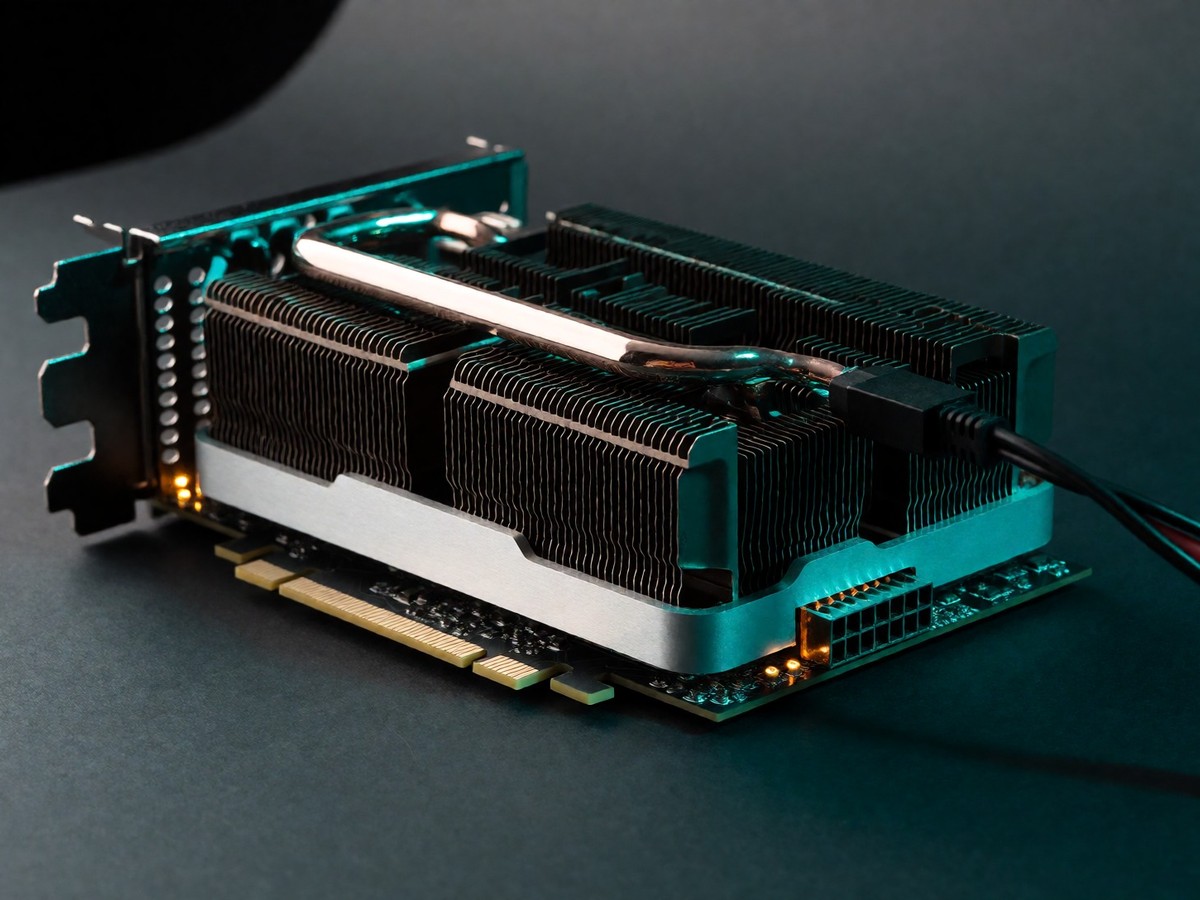
Jesse Pollak and the growth of Base
Jesse Pollak, who was Coinbase’s employee number 70, drives the Base roadmap with a goal of 1 billion onchain users. Since the network launched in August 2023, Base reached $5.2 billion in total locked value, placing it third among Layer 2 solutions. The network maintains 1.3 million weekly active users and transaction fees below $0.05. I find the scale of this growth impressive when you consider the project is only two and a half years old. Base uses Optimistic Rollup technology to process transactions off-chain before sending data to Ethereum. In Q1, Base entered the top 10 by activity and TVL. The launch of Farcaster Frames in January acted as a catalyst, as the network market share of Farcaster activity went from 15% to 75%. The team worked on EIP-4844 for two years starting in 2022 to ensure support on day one, a move that helped drive metrics vertical by lowering fees for all users. This development allowed for the introduction of blob-carrying transactions which reduce the cost of data posting for rollups. The team also navigated a trough of sorrow in the fall after the initial on-chain summer excitement. Base is a case study for how Coinbase uses the network to put more of its own ecosystem on-chain.
Technical upgrades like Denim and Beryl
The technical roadmap moves toward faster execution and easier withdrawals. The Denim upgrade, which is the fourth major upgrade, reduced block times tenfold from two seconds to 200 milliseconds. It replaces Flashblocks with five canonical blocks per second. This change enables faster settlement for trading and payments. Denim also adds BaseTime to allow smart contracts to measure elapsed time for auctions and DeFi functions with millisecond precision timing. The upgrade was tested on Sepolia last month. The Beryl hard fork introduced the B20 native token standard and integrated Reth V2, which helps reduce node storage requirements and improves execution efficiency. Beryl also shortened withdrawal finality from seven days to five. The Beryl hard fork caused a two-hour outage because an invalid block stalled production. This outage followed a short sequencer-related event where block production stalled. Developers no longer need separate Flashblocks subscriptions or reconciliation systems because standard RPC methods expose the faster state. This upgrade removes the need to account for differences between preconfirmed and canonical states.
| Feature | Previous Metric | Current Metric |
|---|---|---|
| Block Time | 2 seconds | 200 milliseconds |
| Withdrawal Period | 7 days | 5 days |
| Block Cadence | 1 block per 2s | 5 blocks per second |
The unified stack strategy
The Base strategy focuses on a unified stack to control upgrades. This approach allows the team to ship changes faster than the standard Optimism Superchain model. This move creates a risk where liquidity fragments across different chains. You should watch how this affects the connection to the wider Coinbase ecosystem. The team aims to increase scale by 400x to reach 1 billion gigagas. This scale target is necessary to accommodate the massive amount of transaction volume expected as more users move onchain. The goal of 1 billion users remains the primary target for the developers. B20 token issuers can now invert compliance policies with a NOT operator, which allows them to reuse address lists for both allow and block rules. Transfer-executor policies apply to all transfer methods, including direct transfers from token holders. B20 also blocks transfers, mints, or seizures that send tokens to the contract address. I believe the team remains in a phase where they are still building their core infrastructure. Can Base reach 1 billion users while maintaining its specific ecosystem?


Join the discussion