
Optimism’s Superchain interoperability explained in plain terms
Psychological optimism influences health outcomes and resilience, with researchers Scheier and Carver finding it predicts better social status and physical recovery. Retail therapy also serves as a coping mechanism, with a Deloitte study showing 80% of people shop to improve their mood.

The Optimism mindset and physiological resilience
Optimism is the mindset of expecting positive, desirable, and hopeful outcomes. This dispositional optimism reflects a belief that future conditions will work out for the best. It fosters resilience in the face of stress. Researchers Scheier and Carver (1985) found that optimistic scores predict better outcomes in relationships and higher social status. Optimists also achieve faster behavioral milestones after surgery, such as sitting in bed or walking around, and they are rated by staff as having a more favorable physical recovery. Optimists appear to live longer. In certain cases, such as patients with neck or head cancer, optimists showed greater survival a year after diagnosis. Optimism explains between 5% and 10% of the variation in the likelihood of developing certain health conditions, including cardiovascular disease and stroke. The inherited component of dispositional optimism is about 25 percent. A person’s optimism is influenced by environmental factors and may be learnable. Researchers use the Attributional Style Questionnaire to test whether people view causes as internal versus external, stable versus unstable, or global versus local. However, high levels of attributional optimism were associated with a significant impairment of the immune defense system in patients with AIDS, according to Tomakowsky et al.
Retail therapy and the mechanics of choice
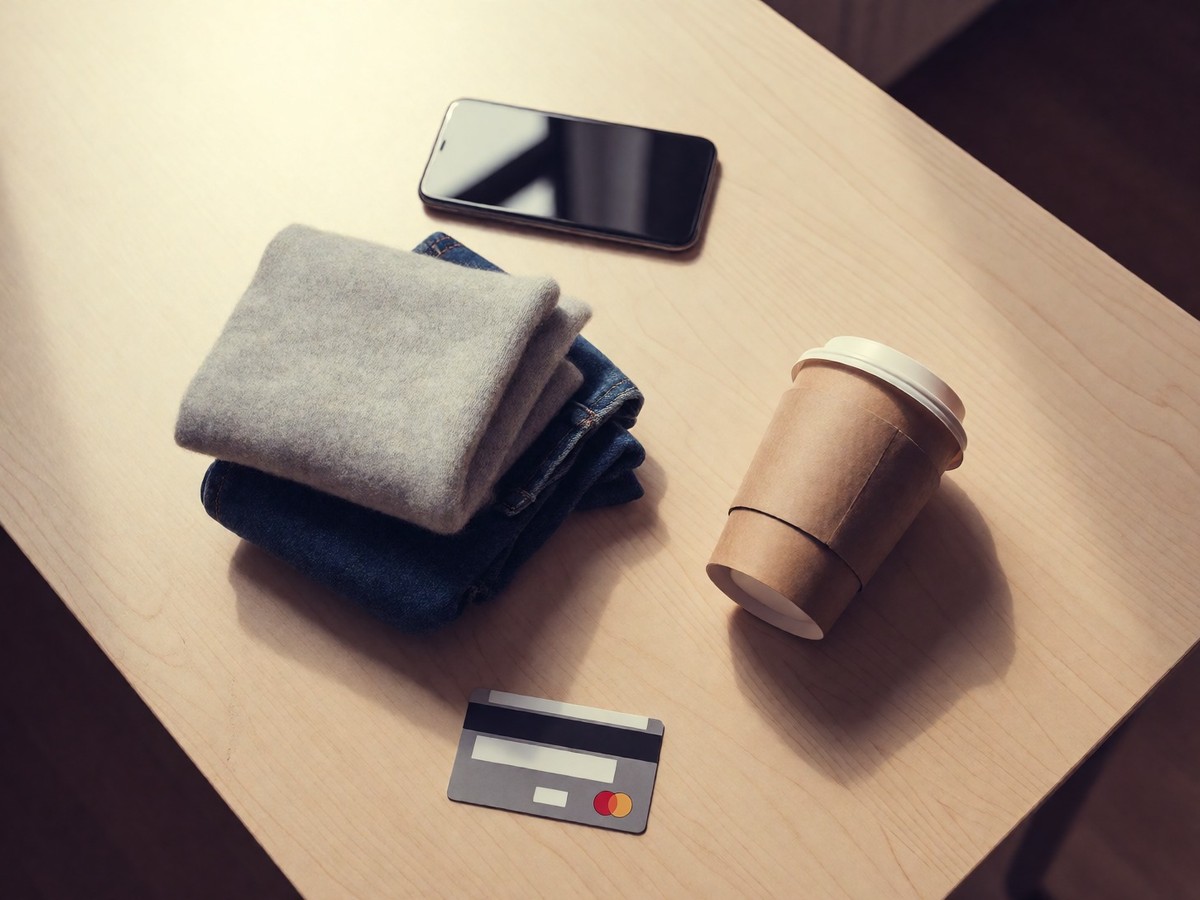
Retail therapy is the practice of shopping to improve a buyer’s mood. This activity acts as a coping mechanism because the choice of items restores a sense of personal control. The decision to buy reduces residual sadness, and a 2014 study by Rick et al. also found that engaging in retail therapy can help with long-term depression. The anticipation of a purchase triggers dopamine release in the brain’s reward system, specifically in the nucleus accumbens and the ventral tegmental area, before the buyer completes the transaction. You should recognize that the emotional lift comes from the act of choosing rather than the acquisition of the item itself. A 2023 study conducted by Deloitte with over 114,000 respondents found that nearly 80% of people said that they had made at least one purchase in the previous month with the specific purpose to improve their mood. This remains true even though only 42% of those respondents said that they could afford to make these purchases. A 2013 survey of 1000 American adults found that 63.9% of women and 39.8% of men engage in retail therapy. Women are most likely to buy clothing, while men are most likely to buy food. The name retail therapy is ironic, and the first reference appeared in the Chicago Tribune on Christmas Eve 1986.
Behavioral shifts and emotional triggers
Consumer behavior involves a blend of hedonic motives and utilitarian motives. A 2023 study among Korean consumers showed that luxury consumption increased during the pandemic. These types of purchases functioned as strategic emotional coping mechanisms. Revenge consumption became a common coping mechanism after periods of strict lockdown. This phenomenon involves over-consuming to compensate for periods of restricted activity and loss of freedom. A 2020 study reported that lockdowns created a panic situation with widespread anxiety, stress, and depression. A 2021 study found that online shopping restored a sense of personal autonomy. In-person shopping leads to more impulse buying than online shopping, with 40% of consumers overspending in physical stores compared to 25% online, according to a 2018 study. The decrease of dopamine levels can lead to a craving of a previous state, which creates a positive feedback loop. Female consumers respond to appearance-related self-discrepancies by using shopping to manage distress. Men respond to ideal appearance self-discrepancies by using shopping to actively improve appearance. Window shopping can also offer comforts because many items can be enjoyed without any financial cost. Does the sudden relief of a purchase replace the need for long-term emotional regulation?



Join the discussion