
How Uniswap architecture adapts to evolving market demands
Hayden Adams's Uniswap evolves from a 2018 prototype to the Unichain L2 ecosystem, utilizing UniswapX intent-based routing and a UNI burn mechanism to capture value. This progression contrasts with SushiSwap's multi-chain persistence and recent liquidity fragmentation challenges.

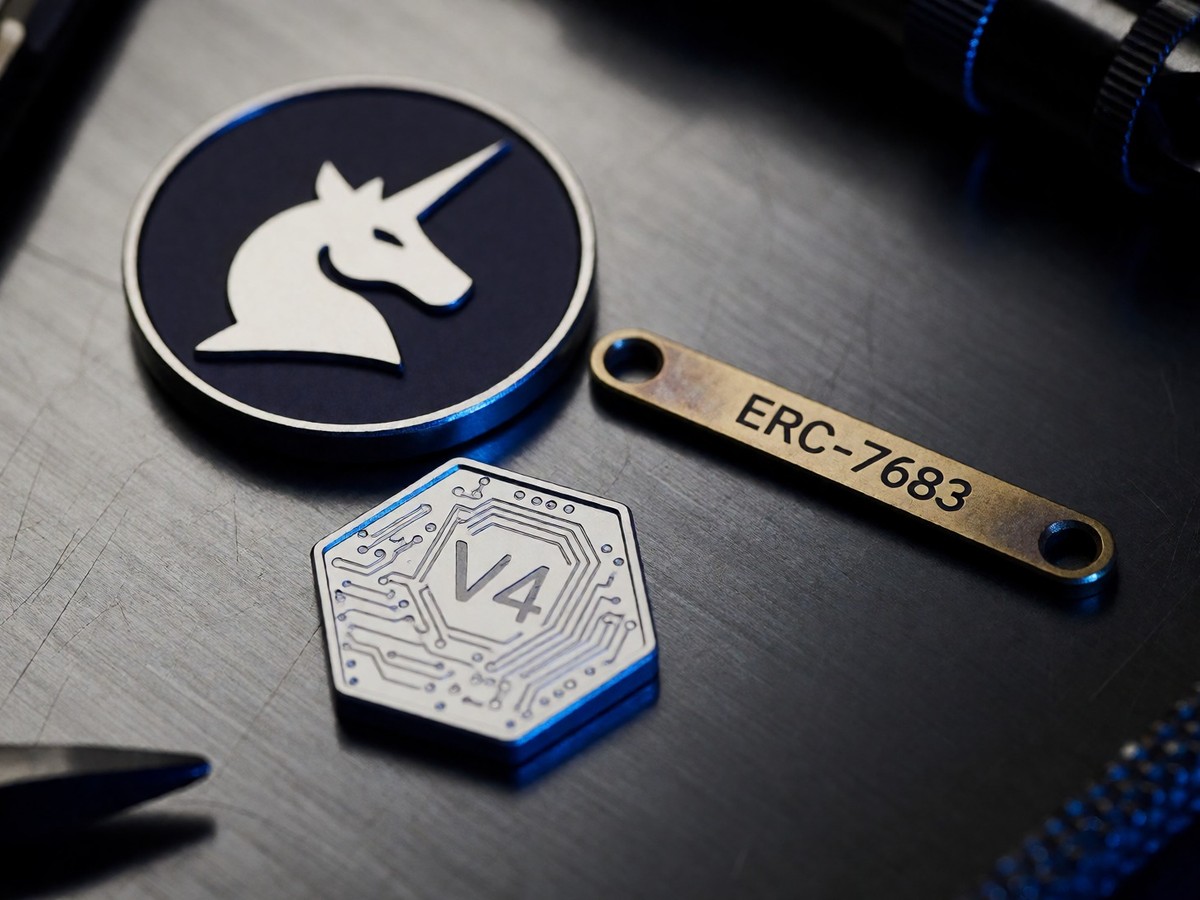
Hayden Adams launched Uniswap in 2018 as a proof-of-concept using the constant product formula. This version only supported a single ETH/ERC 20 trading pair and a single liquidity provider. The protocol evolved with version 2 in May 2020, which enabled ERC 20/ERC 20 pairs and introduced flash loans. Version 2 also introduces flash exchange, which allows users to withdraw ERC 20 tokens from the pool without upfront costs. Version 3 arrived in May 2021 with concentrated liquidity so providers could pool capital in specific price ranges. This concentration led to higher fees for providers and less slippage for traders. Today, Uniswap V4 uses a shared singleton contract and custom hooks to provide dynamic fees and custom curves. UniswapX adds an intent-based model where fillers compete in Dutch auctions. Swappers sign off-chain orders to receive gasless execution, and fillers bear the gas costs. Fillers, which include MEV searchers and market makers, use a Dutch order that starts at a price better than market pricing and decays over time. This order includes the asset, quantity, minimum output, deadline, and authorization for the UniswapX reactor contract. Swappers sign an EIP-712 message, and the reactor contract verifies the signature to ensure the output meets the minimum. In version 3, liquidity providers use non-fungible tokens to show their positions.
Unichain provides a clear path for Uniswap to capture L2 value
The network debuted on testnet following a whitepaper released in collaboration with Flashbots, OP Labs, and Paradigm. Unichain is a general-purpose L2 that uses the OP Stack to provide a user experience similar to Solana. The launch of Unichain increases UNI utility because users stake UNI in the new network design. The December 2025 governance proposal, the UNIfication plan, changed the protocol revenue model by burning 100 million UNI tokens from the treasury to compensate for uncollected fees and directing Unichain sequencer fees to the same UNI burn mechanism via specialized smart contracts like TokenJar and Firepit. UniswapX also co-authored the ERC-7683 standard with Across to enable intent-based systems to interoperate. This standard enables different intent-based systems to share filler sets through a universal network. UniswapX facilitates fast Ethereum to rollup asset movement. Unichain aims to be the home of DeFi. Uniswap products accounted for less than 15% of all gas consumption on Ethereum on October 16.
| Feature | UniswapX Specification |
|---|---|
| Order Type | Dutch order |
| User Gas | Zero |
| Settlement | Reactor contract |
| Primary Asset | Any ERC-20 (Ethereum + L2) |
SushiSwap survives through sheer multi-chain persistence
The protocol launched in 2020 as an anonymous fork of Uniswap. In September 2020, the MasterChef migrator pulled staked Uniswap V2 LP tokens to redeposit them in SushiSwap’s pools. This vampire attack moved up to $830 million in liquidity. SushiSwap now operates on over 40 blockchains. The leadership change followed the departure of Jared Grey, who moved to an advisory role. SushiSwap recently shipped Route Processor 7, which added Maverick V2 and Fluid liquidity sources. In March 2026, a user lost $50 million when a trade routed to a pool with only $73,000 in liquidity resulted in 99.9% slippage. This incident damaged institutional confidence because it showed fragmented liquidity. SushiSwap functions as a DEX aggregator, sourcing liquidity from various venues and routing trades through its smart order routing engine. SushiXSwap handles bridging and swapping in a single transaction and surpassed $20 billion in cumulative volume during 2025. The protocol also includes Wara, which provides a Solana-native trading experience. You should watch how the new emissions strategy interacts with the wide chain coverage. Does the new emissions strategy deepen liquidity enough to match the protocol’s wide chain coverage?



Join the discussion