
Berachain proof-of-liquidity versus Pendle yield tokenization
Berachain uses a proof-of-liquidity model where validators stake BERA to secure the network, while Pendle splits yield-bearing assets into Principal and Yield Tokens for separate trading.

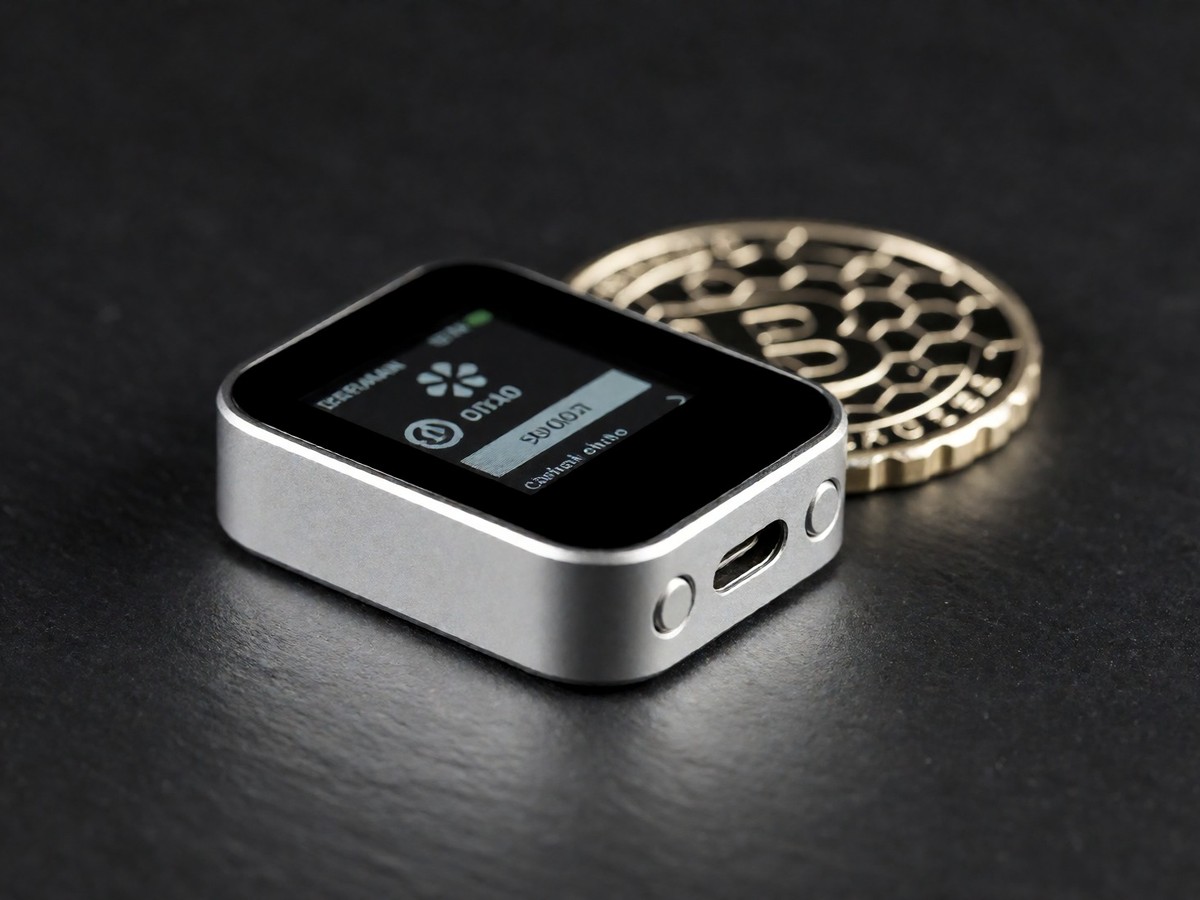
Berachain’s Proof-of-Liquidity mechanism requires users to provide liquidity rather than lock tokens, a design that directly addresses the incentive mismatch found in traditional Proof-of-Stake systems. The network operates on an EVM-compatible Layer-1 architecture using a three-token system: BERA for gas and staking, HONEY as a stablecoin, and BGT for governance. To begin, you must connect a wallet like MetaMask to the network and obtain test BERA from the official faucet during the testnet phase. Once connected, you can interact with native applications such as BEX for trading or Bend for lending. Providing liquidity in these pools earns you BGT rewards, which are non-transferable but can be exchanged 1:1 for BERA. This process creates a feedback loop where increased liquidity lowers slippage and attracts more volume, though the model relies heavily on continuous protocol incentives to remain sustainable.
The mechanics of liquidity staking
Validators secure the network by staking BERA, with only the top 69 stakers eligible to propose blocks. Selection is proportional to the amount of BERA staked, requiring a minimum of 250,000 BERA and capping at 10 million BERA per validator. Upon producing a block, validators receive BGT emissions consisting of a base 0.5 BGT plus a variable reward vault emission. They must allocate most of this BGT to whitelist DApp reward vaults, where protocols compete for allocation through bribery in their native tokens. Users who deposit LP tokens into these vaults earn additional BGT on top of standard transaction fees. You can then delegate your earned BGT to validators to capture further bribery rewards or burn it for BERA. This structure aims to align security with DeFi activity, but the system faces significant pressure when token prices fall. Berachain’s total value locked dropped from $3.5 billion to $646 million in two months, causing annualized yields to plummet below 10% even in high-risk vaults. The collapse illustrates that without steady inflows of new token-generating protocols, the liquidity flywheel stalls quickly.
Yield separation via Pendle
Pendle takes a different approach by splitting yield-bearing assets into Principal Tokens (PT) and Yield Tokens (YT), allowing users to trade future returns separately from principal. PT functions like a zero-coupon bond, purchased at a discount and redeemable 1:1 for the underlying asset at maturity. YT captures all streaming yield until expiry, providing amplified exposure to interest rate movements. The platform wraps assets like stETH into Standardized Yield tokens before splitting them, ensuring precise valuation across its 12 supported networks including Ethereum and Arbitrum. For example, buying PT at 0.96 units locks in a specific yield outcome if held to maturity, whereas selling early depends on market liquidity and slippage. Pendle’s AMM is optimized for time-sensitive assets, accurately reflecting price decay as YT approaches expiration. This precision offers clear advantages for hedging strategies, yet the model carries distinct risks. Smart contract vulnerabilities or underlying asset de-pegs can disrupt redemption values regardless of the PT discount. A recent incident saw an exploiter mint free PT and YT tokens, causing PENDLE to drop to $4.137 before recovery. The protocol stated funds remained safe, but the event highlighted the fragility of complex financial instruments. Can Pendle maintain deep liquidity when such technical shocks occur?


Join the discussion