
Jupiter’s liquidity provisioning and Solana DEX dominance
Jupiter manages over $1.2 billion in daily trading volume through aggressive liquidity strategies and a 50 million JUP staking rewards campaign. These initiatives aim to stabilize token prices and maintain dominance despite regulatory risks and market volatility.

Incentives and the ASR campaign
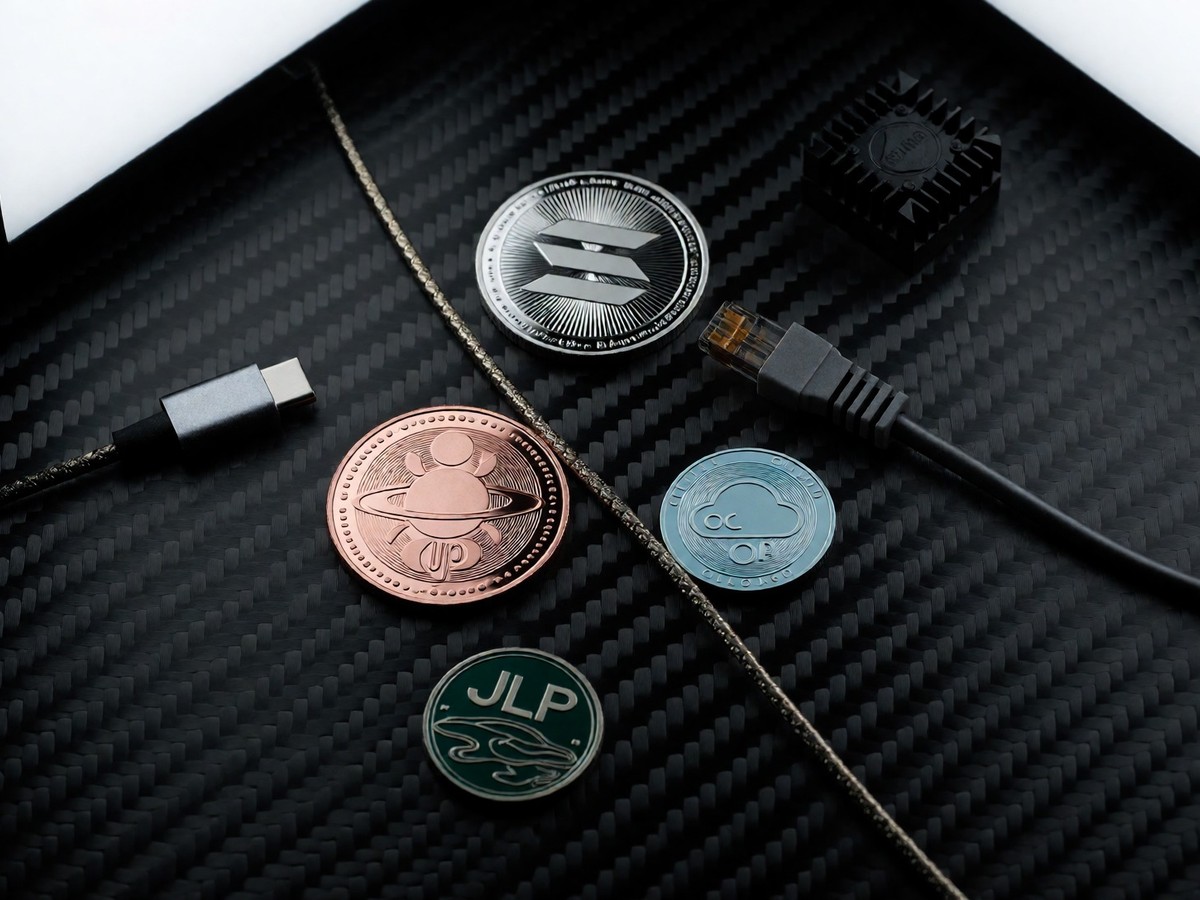
Jupiter distributes 50 million JUP tokens and 7.5 million CLOUD tokens through its active staking rewards campaign. This initiative runs through December 31 and targets users who participate in governance and staking. To qualify for these rewards, users must maintain an average stake of at least 50 JUP across the quarter. The program uses time-weighted staking to determine each participant’s share of the 50 million JUP. These rewards lock with a 15-day cooldown period before they release into a user’s staked balance. This strategy follows the February 22, 2026, decision by the Jupiter DAO to postpone the Jupuary event indefinitely. The "Net-Zero Emissions" proposal passed with 75 percent support and sent 700 million JUP back to the Community Cold Multisig. This move prevents new JUP from hitting the market. Jupiter now buys JUP from its own balance sheet to offset sales by Mercurial stakeholders. As the fourth-largest app on Solana, Jupiter handles over $1.2 billion in daily trading volume. You know that liquidity drives volume, so examine how these distributions aim to stabilize the token price by avoiding mass market dumps.
Regulatory risk and market volatility
A report on the GENIUS Act identifies Jupiter as the dominant aggregator on Solana, which increases compliance risk for JUP holders. The report notes a regulatory gap at the routing layer where aggregators process most stablecoin volume without formal reporting duties, which directly fuels the demand from industry lobby groups for extended KYC and AML requirements. This narrative caused JUP to lose roughly 4.26 percent of its value over 19 hours, as the price drifted from $0.24 to $0.23. While the total crypto market cap rose by 1.3 percent, JUP underperformed the broader altcoin market. This regulatory pressure forces a choice: Jupiter must either act as a regulated gatekeeper or push more logic fully on chain. The market cap for JUP sits at approximately $770 million. The decline in Solana blockchain activity indicates lower user participation, exposing the SOL token to price volatility. This volatility follows a 19 percent decrease in Solana blockchain activity over the past week. Jupiter aggregates more than 26 million transactions in a day. Will these enforcement actions stifle the speed that makes Solana DEXs attractive?
JLP mechanics and liquidity concentration
Jupiter Perps maintains liquidity through the JLP token, which represents a share in a pool containing SOL, ETH, wBTC, USDC, USDT, and JupUSD. Traders use this pool to open positions with leverage ranging from 1.1x to 250x. The pool collects 75 percent of all fees from opening and closing positions, price impact, and borrowing, while Jupiter retains 25 percent. Three independent oracles, including Edge, Chaos Labs, and Chainlink, provide the price feeds used for these trades. The JLP price fluctuates based on the total value of pool assets and the losses incurred by traders. A base fee of 0.06 percent of the position size applies at both opening and closing. As of October 2, 2026, the JLP token held a price of $4.92 and a market capitalization of $951 million. Users can deposit JLP as collateral to borrow USDC at a 90 percent loan-to-value ratio. A 2 percent fee applies to liquidated collateral. Because the pool includes SOL, a portion of the SOL in the pool undergoes delegation to the Jupiter validator to earn staking income. JLP is not a stablecoin and its value shifts with the underlying assets. The JLP pool functions as a counterparty to traders, paying out when traders lose and collecting funds when they win. The yield for JLP is not a fixed rate and depends on the weekly fees collected from the markets.
| Metric | Value |
|---|---|
| ASR JUP Reward Pool | 50,000,000 |
| ASR CLOUD Reward Pool | 7,500,000 |
| Minimum Staking Average | 50 JUP |
| JLP Maximum Leverage | 250x |
| JLP Fee Allocation to Pool | 75% |
| JLP Fee Allocation to Jupiter | 25% |



Join the discussion