
Technical environment for Jupiter following Solana network upgrades
Solana's Alpenglow consensus upgrade via Agave 4.3 reduces transaction finality to approximately 150 milliseconds. This technical shift improves execution speeds for the JUP environment by replacing the previous TowerBFT mechanism with Votor.

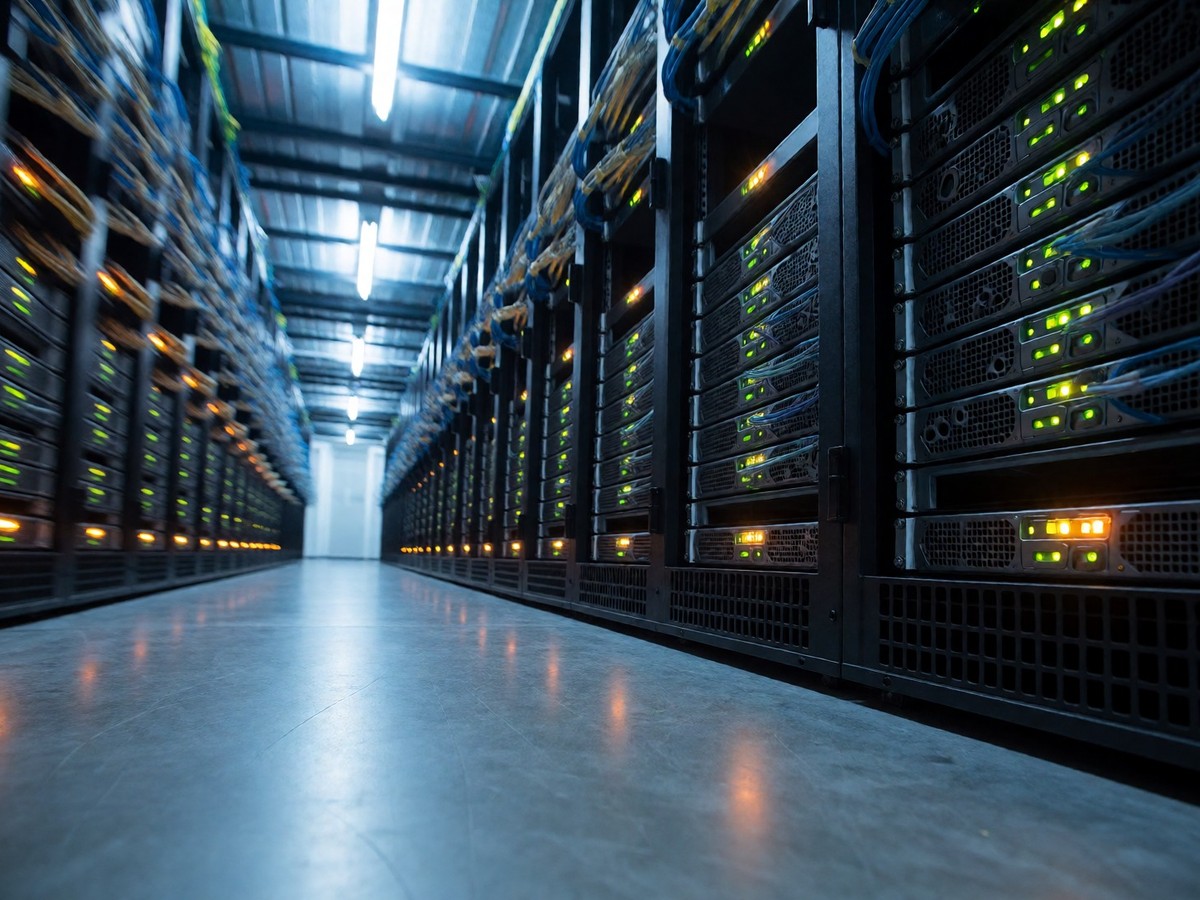
Solana activated the Alpenglow consensus upgrade on its mainnet through the Agave 4.3 release on October 21, 2026. This upgrade replaced the previous TowerBFT consensus mechanism with Votor. Votor targets transaction finality of approximately 150 milliseconds, a significant improvement over the 12.8 seconds seen previously. This technical shift directly impacts the execution speeds for the JUP environment. Anatoly Yakovenko and Raj Gokal co-founded the project in 2017. Yakovenko, a former Qualcomm engineer, introduced the Proof of History concept to allow for greater scalability. The protocol uses a hybrid combination of proof-of-stake and Proof of History to manage transactions and maintain consensus. The Proof of History mechanism helps validators establish the order of transactions without relying on continuous communication across the network, which allows Solana to process transactions while reducing confirmation times for the JUP environment. Solana launched in March 2020. Anatoly Yakovenko and Raj Gokal brought professional expertise to the project, helping it grow. In September 2021, Solana held the number 7 ranking in the CoinMarketCap index. The SOL price reached an all-time high of $216 on September 9, 2021. This surge followed a bull run where the price gained over 700% since mid-July 2021. The rise in value stemmed from increased developer activity, institutional interest, and the growth of the DeFi ecosystem. The launch of the Degenerate Ape NFT collection drove the SOL price toward its peak. Solana remains a serious rival to Ethereum in the smart contract space. Solana development involves Solana Labs, while the Solana Foundation supports network development and ecosystem initiatives. The project’s capacity to process large numbers of transactions through its low-cost environment supports the growing demand for high-speed trading.
In 2026, the Solana protocol increased its block compute limit from 60 million to 100 million compute units. The Agave 4.2 update introduced transaction sizes of up to 4,096 bytes and reduced slot times to 200 milliseconds. Developers scheduled the Agave 4.4 and Agave 4.5 releases for November and December 2026. These updates intend to modify smart contract execution and increase the number of supported accounts per transaction to facilitate higher throughput. The native SOL token pays for network transaction fees and interacts with decentralized applications. Solana burns 50% of its base transaction fees, while validators receive the remaining portion and priority fees. As of the current data, the total supply reaches approximately 636.94 million SOL, with 590.26 million SOL in circulation. The inflation schedule gradually decreases toward a long-term annual rate of 1.5%. Token holders can stake SOL directly or delegate to validators to secure the network and earn rewards through the protocol. This economic structure supports the growing DeFi ecosystem and the rise of the NFTs and gaming vertical.
| Feature | Specification |
|---|---|
| Alpenglow Finality | ~ 150 ms |
| Previous Finality | ~ 12.8 s |
| Block Compute Limit | 100 million units |
| Agave 4.2 Max Transaction Size | 4,096 bytes |
| Agave 4.2 Slot Time | 200 ms |
| Long-term Inflation Rate | 1.5% |
Jump Crypto continues development on Firedancer, an alternative validator client designed to reduce dependence on a single client. This software aims to provide another implementation of the validator infrastructure. The network has suffered repeated outages that impaired its price and aspirations to become the "Visa of crypto." These failures highlight the instability of the network. You should watch how these outages affect your liquidations during high volatility. The Solana infrastructure provides the high-speed environment required for the JUP ecosystem. Will the Firedancer client eventually eliminate the network outages? The implementation of Firedancer provides another layer of validator infrastructure to the network. The network relies on the professional expertise of Anatoly Yakovenko and Greg Fitzgerald to maintain its position.

Join the discussion