
Azuki Bean rebranding and PBT token standard explained
Azuki developers rebranded the Azuki DAO to Bean and moved into the Blast ecosystem following a $39 million minting dispute. The new PBT standard utilizes physical BEAN chips to link assets to the blockchain, following an Elementals release that caused Azuki prices to fall 44 percent.

The Bean Rebranding and PBT Standard
Azuki developers rebranded the Azuki DAO to Bean after they dropped a proposed lawsuit against founder Zagabond over a $39 million minting affair. The community project now moves into the Ethereum layer-2 Blast ecosystem. Developers secured $10 million from prominent investors for development within the Blast ecosystem. The Bean memecoin has a total supply of 1 billion tokens. The plan previously stated that 40 percent of tokens goes to the treasury, 50 percent to DAO members, and 10 percent to Zagabond, though the airdrop for members concluded four months ago. The remaining tokens stay in the address.
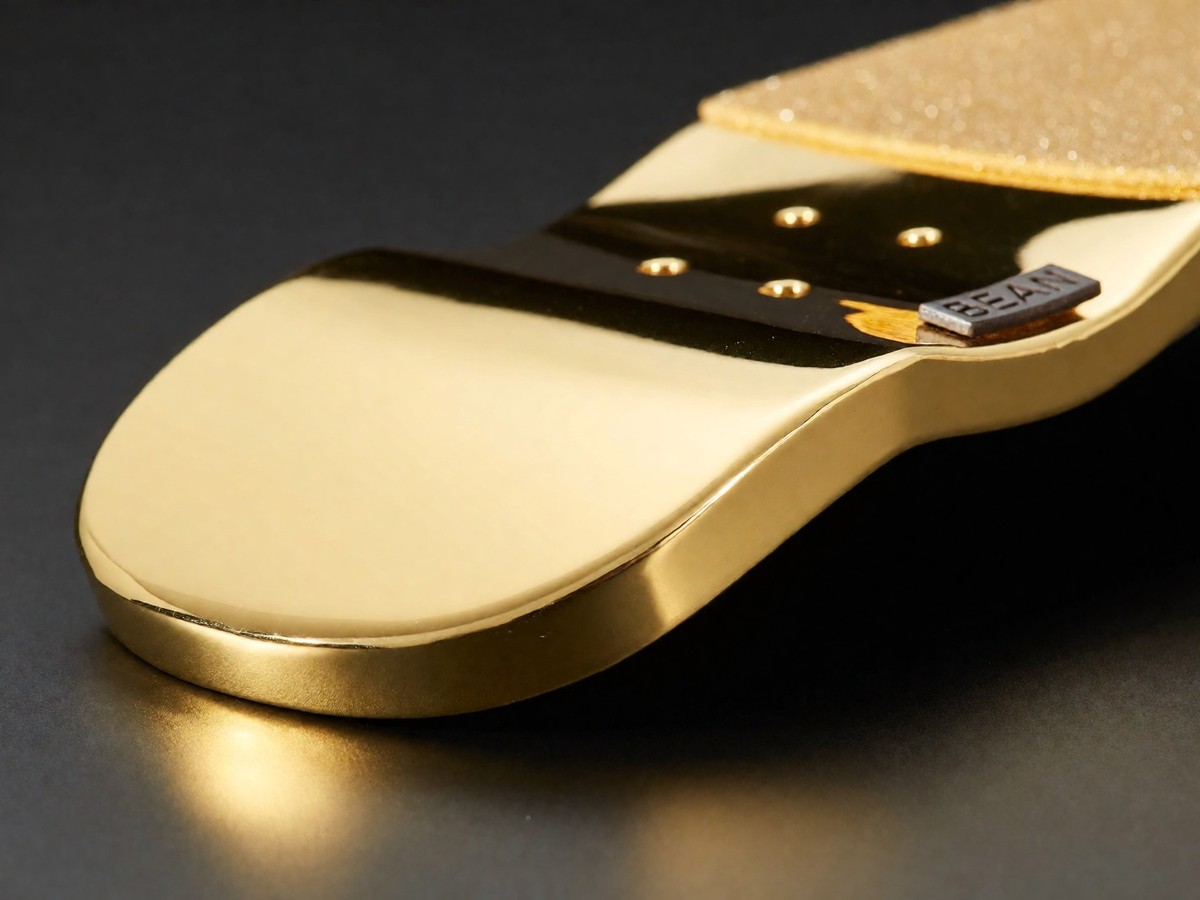
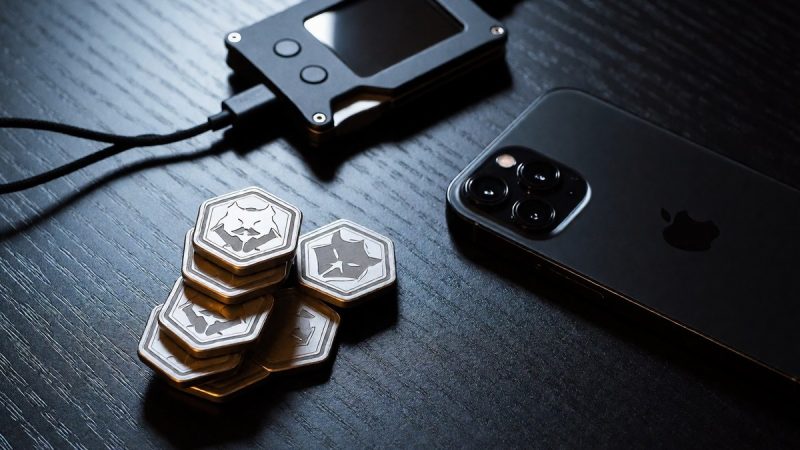
The PBT token standard links physical entities to the Ethereum blockchain using the ERC721 standard. This technology uses the BEAN chip, a physical cryptographic chip that generates an asymmetric key pair to verify ownership. The "scan-to-own" feature allows a new owner to transfer the PBT by scanning the physical object. Azuki tested this with the Golden Skateboard collection, which contains nine 24K gold plated boards that weigh 45 lbs each. The release of the Elementals series in June caused the price of Azuki NFTs to fall 44 percent because the new assets closely resembled the original 10,000 anime-themed profile pictures.
| Feature | Specification |
|---|---|
| Bean Token Total Supply | 1,000,000,000 |
| Bean Treasury Allocation | 40% |
| Zagabond Token Allocation | 10% |
| Golden Skateboard Weight | 45 lbs |
| Golden Skateboard Material | 24K Gold |
Moonbirds and Intellectual Property
Moonbirds consists of 10,000 pixel art owls on the Ethereum blockchain. The project generated $66 million in ETH during its 2.5 ETH mint and surpassed $194 million in total sales volume on OpenSea. Holders receive access to the Proof Discord, Moonbird-related drops, and real-life events. The collection includes a nesting feature, which acts as a form of staking that allows birds to remain in a user’s wallet. The project founders include Kevin Rose, Ryan Carson, and Justin Mezzell. Kevin Rose previously founded the social news site DIGG, the meditation app OAK, and the intermittent fasting app ZERO.
In August 2022, Kevin Rose changed the Moonbirds license to Creative Commons Zero. This move removed the commercial intellectual property rights that holders previously controlled. While the change remains legal, it stripped holders of the ability to license their specific image and likeness. You should remember that many collectors bought these assets with the intent of maintaining control over their specific digital IP. The Proof Collective NFT, which provides access to the private Discord, the PROOF podcast, and in-person events, currently has a 99 ETH floor. Does the shift to a community-driven model justify the loss of individual commercial rights?
Yuga Labs and the Flooring Protocol Exploit
Yuga Labs recovered 68 high-value NFTs in June 2026 after a vulnerability in the Flooring Protocol smart contracts. CEO Michael Figge confirmed the operation, which pulled 29 Bored Ape Yacht Club NFTs, 4 Mutant Ape Yacht Club pieces, 2 CryptoPunks, 1 Azuki, 2 Elementals, 26 Captains, 1 Moonbird, and 2 Doodles from the protocol. These assets have a total value of over $500,000. The researcher CoffeeDev identified the flaw that allowed attackers to create "ghost ownership" through minimal Wrapped Ether deposits.
The bug enabled users to trick the protocol into believing they held significant claims on NFTs locked in liquidity pools through trivial deposits and a mechanism that allowed attackers to conjure ownership stakes out of thin air. This process used small amounts of Wrapped Ether to create inflated fpToken balances. Yuga Labs Vice President of Blockchain 0xQuit coordinated the technical removal of the assets while the GrailsOTC trading desk handled the funding and logistics. No user losses were reported among the NFTs that were successfully recovered. The recovered assets stay in Yuga Labs custody until the Flooring Protocol developers fix the smart contract infrastructure.

Join the discussion