
How to get started with Otherside Koda NFT staking
Koda decoupling involves burning an Otherdeed NFT to yield a Koda NFT and an Otherdeed Expanded NFT. While this process offers access to gameplay like Legends of Mara, current floor price gaps result in a net loss of 0.18 ETH for many participants.

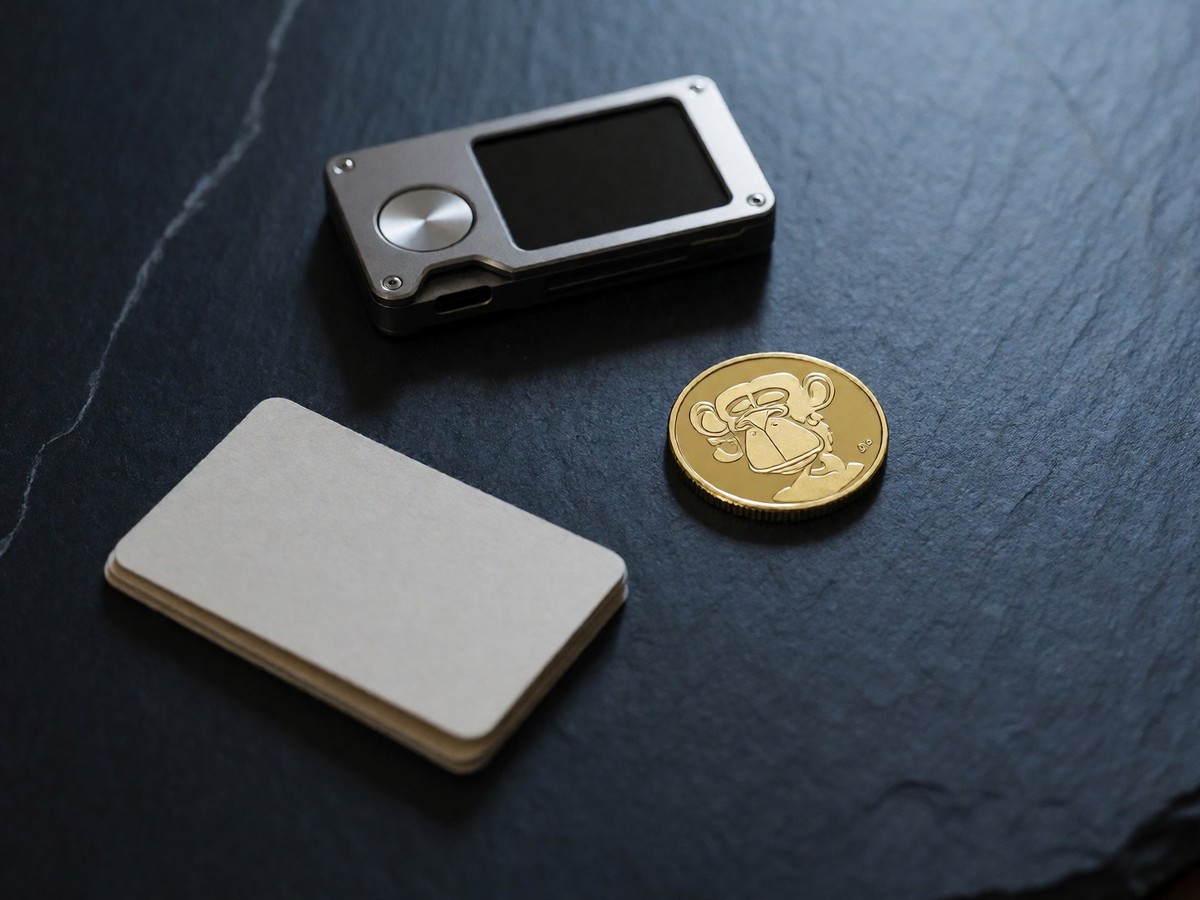
The Koda Decoupling and Vessel Claiming Process
The Koda decoupling and Vessel claim event requires the destruction of an Otherdeed NFT. This burning action yields a Koda NFT and an Otherdeed Expanded NFT that exist independently in a new collection. Only Otherdeeds containing a Koda allow for decoupling, yet all Otherdeeds qualify to claim a Vessel. This process also adds a Koda Origins Obelisk piece to the metadata of the newly minted Otherdeed Expanded NFT. Koda includes 10,000 celestial creatures. These assets provide access to future gameplay like the strategy game Legends of Mara. You can select up to 99 Otherdeeds at a time for this procedure. Use a desktop browser to initiate the claim through the official website. The Koda character provides proof of rarity among collectors within the Yugaverse and makes them a highly sought asset. The AI-powered building tool uses a Koda Agent to allow users to create 3D worlds via text commands. Three new experiences, including the 8v8 shooter Bathroom Blitz and the social hangout Meet Me at the Clubhouse, utilize the Otherside Development Kit. The Koda Nexus social hub provides a central experience. Each land parcel includes 15 categories of traits. These categories include 29 environments and 74 artifacts. Rarity tiers for resources range from 1 to 3. The initial sale in April 2022 saw 55,000 Otherdeeds sold for 305 $APE each, an event that clogged Ethereum and caused high gas fees.
Economic Realities and Participation Gaps
The conversion rate for the 100,000 original Otherdeeds shows that 50,330 assets have already transformed into the new Otherdeed Expanded NFTs. The original total of 100,000 Otherdeeds makes these conversion numbers significant. Many users avoid this process because the market value of the new assets often falls below the original cost of the land. For example, the combined floor price of a Vessel and an Otherdeed Expanded NFT equals approximately 1.45 ETH, which is less than the 1.63 ETH minimum price for a standard Otherdeed. This creates a net loss of 0.18 ETH for those who participate. Decoupling a Koda from an Otherdeed with a minimum price of 12 ETH results in a total value of 11.9 ETH when counting the Koda, Vessel, and Expanded NFTs. This loss makes the event a bad deal for many collectors. Participation rates reflect this economic reality, as only 17.6% of Vessel airdrops saw claims and only 23.5% of Koda decouplings occurred. The Koda decoupling process costs many holders money because of the current floor price gaps. Following the April 30th Otherside sale, ApeCoin fell from $24.86 to $16.73. Why do users continue to burn their primary assets?
Asset Management and Interest Methods
After you acquire your assets, you can manage your crypto through several methods to earn interest. Beginners find cryptocurrency exchanges the simplest option, even if these platforms provide the lowest interest rates. Software wallets provide higher interest rates and better safety, though they require you to move assets away from an exchange. Hardware wallets provide maximum security. Celsius provides the ease of use of an exchange with the higher interest rates of a software wallet. You can also use services like Ankr for liquid or delegate staking. Ankr applies technical service fees to rewards during every cycle.
| Asset | Technical Service Fee |
|---|---|
| GNO | 30% |
| AVAX | 10% |
| BNB | 10% |
| DOT | 10% |
| ETH | 10% |
| FTM | 15% |
| POL | 5% |
The market uses $APE as the primary currency across Otherside, which was originally sold in 55,000 plots for 305 $APE each. Beginners often use spot exchanges to buy real assets like Bitcoin or Ethereum for long-term holding. For advanced traders, futures contracts allow for leverage and the ability to profit from price decreases. These traders use futures to hedge positions or pursue higher-risk strategies during market volatility. Current annual yields for MATIC staking range from 4% to 8% depending on the product. You should decide which method suits your needs, assuming you already grasp basic wallet management.



Join the discussion