
Magic Eden’s shift to Solana and the $ME ecosystem
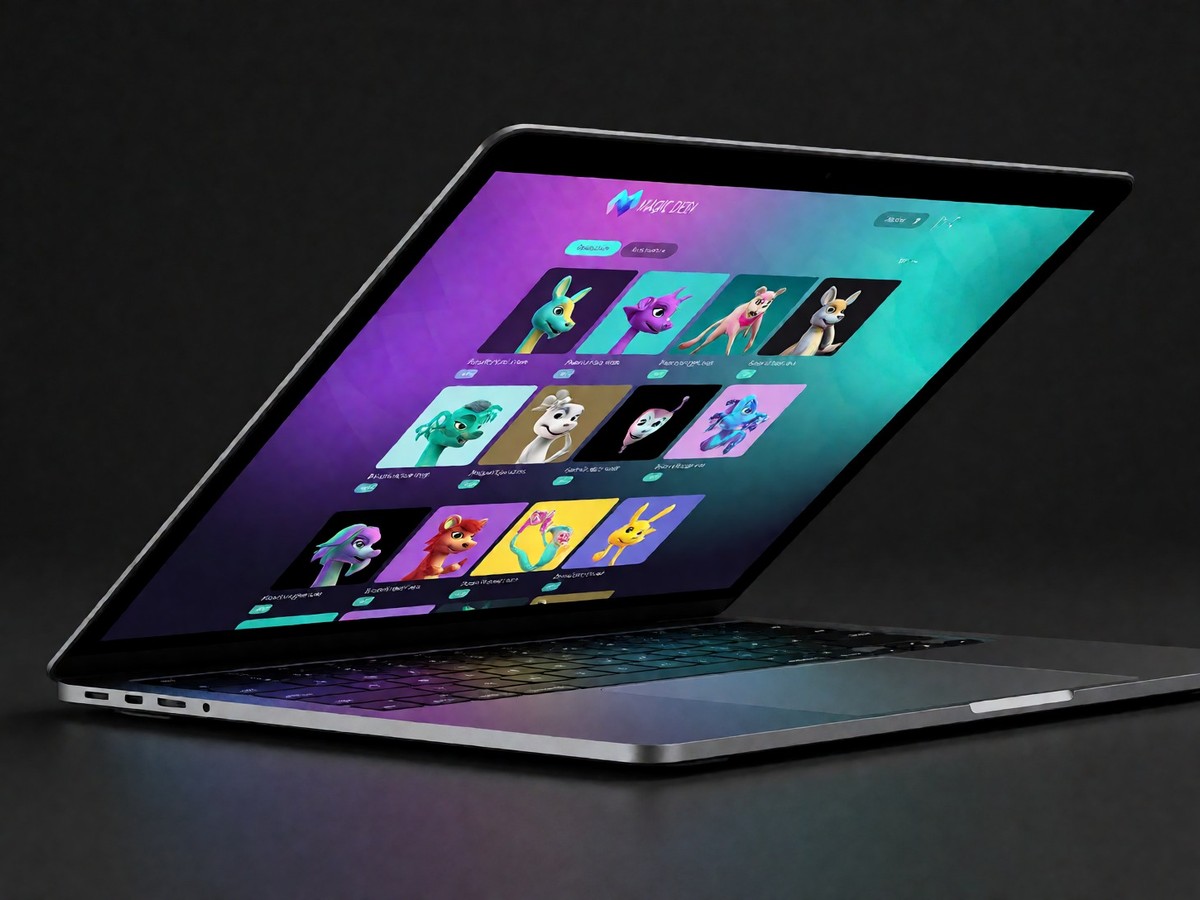
Magic Eden transitioned to a Solana-only marketplace after Bitcoin Ordinals drove $486 million in trading volume in April. The platform now features $ME token staking, Solana wallet integration, and unique features like Lucky Buy and mystery Packs.

The end of the multi-chain era
Magic Eden is now a Solana-only marketplace because the company ended Bitcoin and EVM trading in March 2026. This shift followed a period where Bitcoin Ordinals accounted for 70% of market volume in April. During that month, Magic Eden reached $486 million in trading volume and surpassed Blur by $108 million. Total Bitcoin-based NFT volume rose 32% that month to $675 million, which pushed the first cryptocurrency to second place in trading volumes behind Ethereum. The number of sales increased 20% during that period because Bitcoin NFTs were popular. In the same month, Runestone displaced Bored Ape Yacht Club as the leader. The Bitcoin network also reached 1 billion processed transactions during its lifetime following the launch of Runes. If you are still trying to use the old Magic Eden Wallet, you missed the May 2026 deadline to export your private keys to another Solana wallet. I find the company abandoned its multi-chain identity too quickly to focus on Dicey.
Trading on Solana
The Solana marketplace handles standard NFTs, compressed NFTs, Metaplex Core NFTs, and some SPL tokens like digital art and game items. I notice the fee structure remains simple. Magic Eden charges 0% to list an NFT and takes 2% of every completed sale. Users can connect a compatible Solana wallet like Phantom or Backpack to browse collections and execute trades.
| Feature | Price/Fee | Note |
|---|---|---|
| Listing | 0% | No cost to list |
| Trade Fee | 2% | Taken from seller |
| Lucky Buy | 5% | Non-US users only |
| Pokemon Pack | $25 – $1,000 | USDC or SOL |
Buyers use a single pool of SOL as an escrow to back up to 100 offers at once. This escrow pool stays in the user’s custody, and they can withdraw it at any time. Lucky Buy allows a user to pay a percentage of the price for a chance to win the asset. This feature is for non-US users only. The platform also includes Packs where users buy a mystery item and either keep the prize or take an instant cash payout in SOL or USDC. Solana network fees average around 0.000005 SOL per signature, which costs about $0.0004 at $80 per SOL. US visitors land on a separate site, magiceden.us, where features like Lucky Buy are for non-US users only. Creators use the Launchpad to put out new sets. Does the expansion into the Dicey casino undermine the reliability of the NFT marketplace?
Staking and the $ME token
$ME staking combines traditional staking with interactive quest participation to determine rewards. Staking power equals the amount of $ME staked multiplied by a multiplier based on the lock-up duration. To maximize rewards, you must balance staking power with frequent quest activity. Users must complete quests like swapping tokens, buying collectibles, or using the Magic Eden wallet to earn points. Rewards distribute at the end of a 90-day Chapter based on rank percentiles, but you must claim them within 90 days or you lose them. I find the $ME system confusing because it requires constant activity to maintain a high rank.
The $ME token has a fixed supply of 1 billion tokens. Since February 2026, 15% of Magic Eden revenue goes toward $ME, with half used to buy tokens on the open market and the other half paid to stakers in USDC. The token value fell 97% from its peak. The ME Foundation allocated 38.4% of the supply to community and ecosystem initiatives and 25.5% to contributors. Staking $ME removes tokens from circulation and reduces the total supply available for trading on the open market. Staking $ME also gives holders votes equal to their staking power. A lawsuit in a New York federal court named Euclid Labs and CEO Jack Lu after buyers claimed promised $ME uses like trading across chains and revenue sharing came late or never came. A judge threw out the claims against Euclid Labs in October 2026, but the case against Jack Lu continues.


Join the discussion