
Ronin validator rewards after the L2 overhaul
The migration to the OP Stack reduced annual RON inflation from over 20% to below 1% while redirecting 90 million RON to the Ronin Treasury. New reward mechanics allocate emissions based on NFT volume, DEX volume, and contract usage to support a sustainable ecosystem.

Inflation and fee shifts
The migration to the OP Stack slashed annual RON inflation from over 20% to below 1%. Sky Mavis redirected 90 million RON tokens, which previously funded staking rewards, into the Ronin Treasury. This move targets a sustainable revenue model. The network also increased the marketplace fee allocation from 0.5% to 1.25%. I see the 95% reduction in inflation as the strongest part of this overhaul. The transition to the OP Stack allows the network to post transaction data directly to Ethereum, which lets users verify state and exit to the main chain without having to trust the Ronin operators for security. The market responded to the news with a 4.3% drop in RON price to $0.093. Users also benefit from DEX fees that range between 0.05% and 0.15%. The treasury accumulates inflows from the NFT marketplace, which charges 1.25% of volume. These new inflows help the network scale without relying on heavy token emissions. The shift targets a 12x improvement in transaction speed to support these new fees. The migration occurred on May 12 and caused 10 hours of network downtime.
Proof of Distribution mechanics
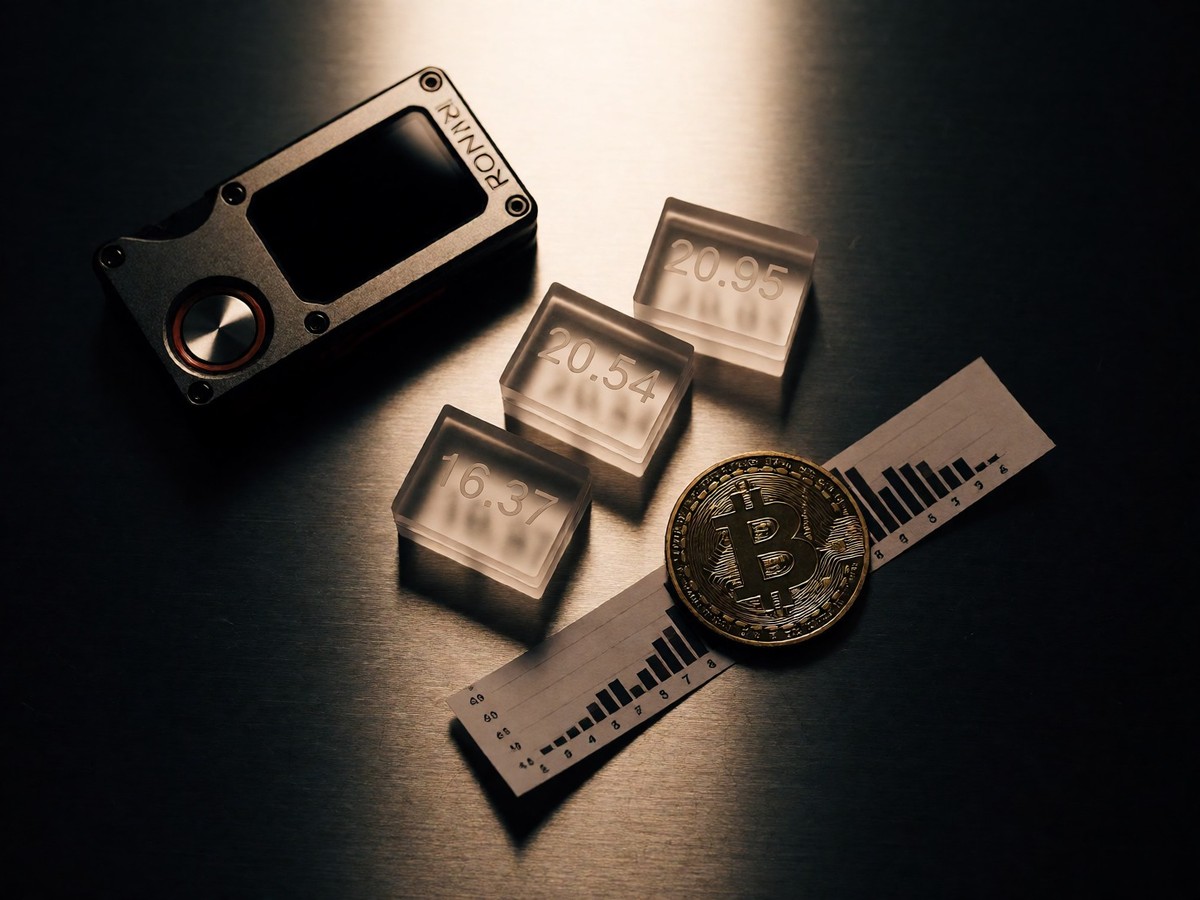
The "Proof of Distribution" system allocates rewards based on specific network activity metrics. The scoring formula assigns 20.95% to NFT volume and 20.54% to DEX volume. Contract usage contributes 16.37% to the total score. Validators also receive a percentage of block rewards, which totals 30 million RON in the first year. You should select validators with low commission rates, typically between 2% and 10%, to increase your returns. Staking requires a 7-day unbonding period to maintain security. The formula calculates delegator rewards by multiplying the ratio of initial stake to total stake by the reward minus the commission, so if a validator has a 10% commission and earns 10 RON, delegators share 8.1 RON if they provide 9,000 RON of the 10,000 RON total stake. The validator reward formula adds the commission back to the validator’s portion of the reward. The current annual percentage yield for RON staking fluctuates between 7% and 15% depending on total staked tokens and network activity. To participate, you can use the Ronin Wallet to fund your account and select a validator from the active list. You can also use the dedicated RON staking app to view validator metrics including uptime and total staked. Validators can also choose to run their own nodes or delegate through third-party apps. The validator commission rate affects the final reward for all delegators in that pool.
| Metric | Value |
|---|---|
| Annual RON Inflation | < 1% |
| NFT Volume Weight | 20.95% |
| DEX Volume Weight | 20.54% |
| Contract Usage Weight | 16.37% |
| Marketplace Fee | 1.25% |
| DEX Fees | 0.05% to 0.15% |
The 8-year reward schedule
The 8-year reward schedule builds towards a decentralized future through tapering emissions that lower inflation. Year 1 provides 30 million RON in rewards, while Year 8 provides 6 million RON. The network also maintains 8 million RON for bridge rewards over the 8-year period, with 1 million allocated for the first year. Bridge operators must maintain a bridge to claim these rewards. I find the 1 million RON allocation for first-year bridge rewards to be quite low. The total RON supply stays capped at 1 billion. The team moved 5% of the total RON supply intended for years 9 to 24 into the 8-year schedule to grow the ecosystem. Staking rewards might reach 10% depending on the amount of RON staked. This amount of rewards tapers down year over year as the network bootstraps transaction activity. The schedule started in 2023 and ends in 2031. This plan allows for higher rewards early in the schedule to incentivize the community. Will the tapering rewards satisfy the needs of long-term delegators?




Join the discussion