
Spatial gaming shifts in Apple, Meta, and Somnium Space
Apple expects 290,000 Vision Pro units and $636 million in revenue in 2026 as the M5 chip powers high-fidelity spatial gaming. Meanwhile, Meta shifts Horizon Worlds to a mobile-only experience following the sunset of its VR Creator Bonus Program.

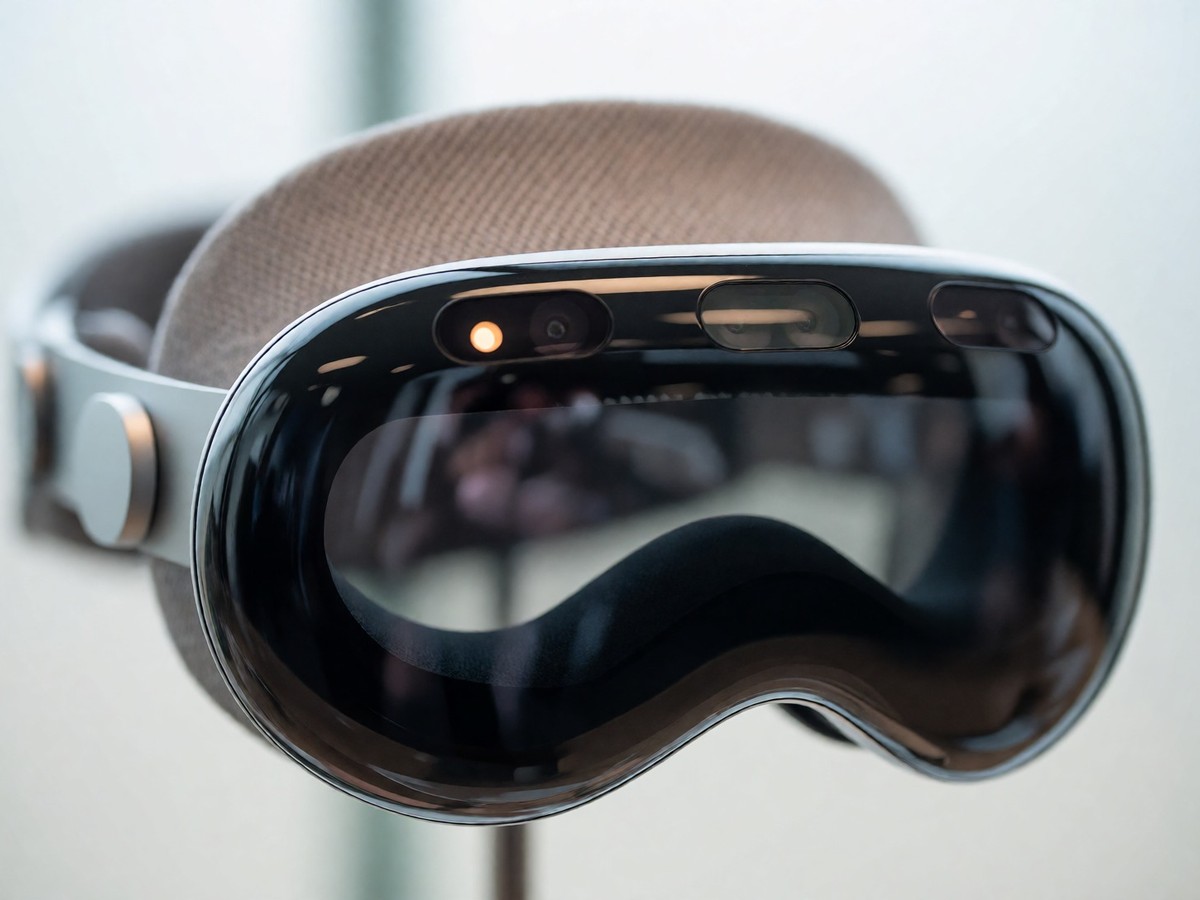
Apple’s premium hardware
The M5 chip in the Apple Vision Pro 2 handles hardware ray tracing and provides the processing power needed for high-fidelity spatial applications in the visionOS 26 ecosystem. visionOS 26 improves gaming because it supports Sony’s PlayStation VR2 Sense Controllers. Developers build spatial environments using the Unity PolySpatial package. Skeletal hand tracking functions through the Hand Subsystem in the XR Hands Package. I think the $3,699 price for the Vision Pro 2 makes it a tool for professionals rather than a consumer gaming device. Apple also introduced spatial scenes which use a generative AI algorithm and computational depth to add realistic depth to photos. Developers can use the Spatial Scene API to create these realistic images. Zillow Immersive will use this feature to make home images more realistic. You can also customize the color, width, and depth of widgets in visionOS 26. These widgets stay pinned in your digital space. Personas in this update are more accurate and look more human. You can even customize glasses for your persona. Apple also added support for the Logitech Muse stylus to help with 3D projects. The M5 chip also supports a 120Hz display. You can unlock your iPhone while wearing the headset if you have iOS 26 and Face ID. Apple expects to see 290,000 units and $636 million in revenue from the Vision Pro in 2026.
Meta’s mobile direction
Meta ended the ability to publish or update VR worlds in Horizon on June 15, 2026. The company finished final payouts for the VR Creator Bonus Program in May 2026. This shift directs the Creator Fund toward mobile content. Horizon Worlds is now a mobile-only experience. Users access these worlds through the Meta Horizon mobile app. I find Meta’s pivot to mobile a desperate attempt to keep users in the ecosystem after the headset market shrank. You should know that Meta Quest 3S users pay $349 for their headset. This device has a 120 Hz refresh rate. Meta held 74.6% of all 2025 VR headset shipments. Apple shipped only 45,000 Vision Pro units in 2025. The headset market shrank in 2025. Meta launched a $1 million mobile-focused competition on March 11. The company also has a $50 million Creator Fund for mobile and MR worlds. Meta Quest 3S has sold over 12 million units since its October 2024 launch. Any creator age 13 or older in eligible countries can use the new desktop editor in early access. This editor supports TypeScript and custom model imports. In the US, the editor includes generative AI tools for sound effects and ambient audio generation.
Somnium Space and the blockchain
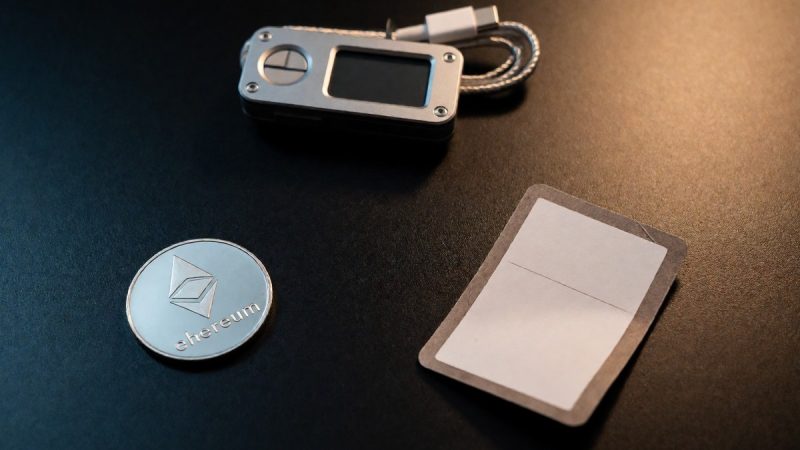
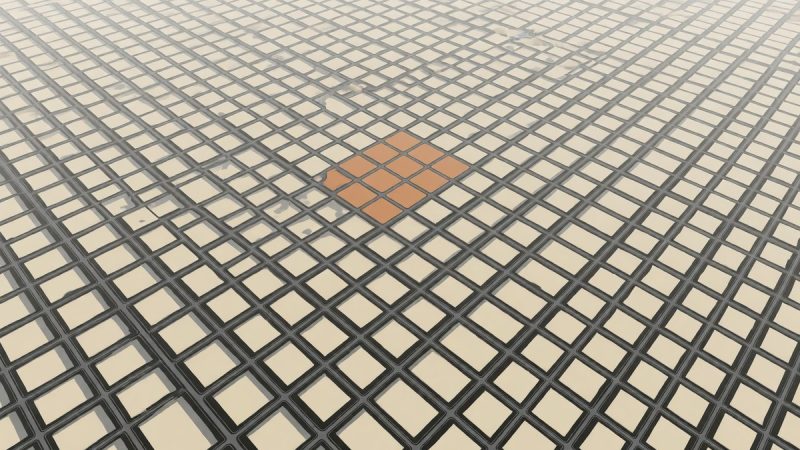
Somnium Space functions as an open-source social VR world on the Ethereum blockchain. Residents buy digital land parcels, avatars, and cars using ETH or Somnium CUBEs. The Somnium WORLDs SDK allows for the upload of interactive, programmable scenes. This SDK uses the Unity BOLT Plugin to provide visual scripting capabilities for creators. Developers can build environments without writing code. The platform allows for the tokenization of in-game assets like land parcels and wearables. Users can place any NFT directly onto Somnium Land Parcels. The Road to Tertiary Land Offering includes 200 exclusive land parcels, WORLDs NFTs of all sizes, and one estate per week. The previous land auction sold over 1.5 million USD worth of land, WORLDs, and estates. Somnium distributes about 10,000 USD in CUBEs every month to various projects. One project can receive up to 1,000 USD in CUBEs for a maximum of three months. Land prices depend on factors like location, proximity to others, and transport links. Projects must fill out an application form to be considered for these funds. Will the blockchain model survive a market downturn?


Join the discussion