
The Sandbox vs Otherside: five metaverse user-retention myths debunked
Analysis of October 2026 DAU data reveals that seasonal liveops drive more engagement than high-end graphics or land ownership. The Sandbox reached 580,000 unique players during Alpha Season 4, outperforming the immersion-focused approach of Otherside and Horizon Worlds.

Immersion and graphics do not drive scale
Horizon Worlds failed to achieve network density or meaningful retention despite years of investment. Meta moved the platform from Quest to mobile because hardware constraints make concurrency fragile. This shift puts Meta in direct competition with Roblox and Fortnite. The Sandbox reaches 580,000 unique players through seasonal events like Alpha Season 4. The Sandbox’s success with seasonal cycles contradicts the assumption that high-end rendering dictates user retention. The Sandbox uses voxel graphics to maintain consistency, while Otherside relies on five regions like Biogenic Swamp and Chemical Goo. Otherside saw only 7,000 concurrent users during its March 2023 demo. I find the focus on immersion distracts from the need for low friction. VR is a rendering and interface layer, but social networks scale through frequency and ambient participation. The Sandbox also uses the Voxel Games Program to work with mobile studios using engines like Unity or Unreal to create games that are optimized for the platform.
| Platform | Metric | Value |
|---|---|---|
| The Sandbox (Season 4) | Unique Players | 580,000 |
| The Sandbox (Season 4) | Unique NFTs Sold | 330,000 |
| Horizon Worlds | Monthly Active Users | <200,000 |
| Yuanbao | Daily Active Users | 23.99 million |
Land ownership is not a substitute for engagement
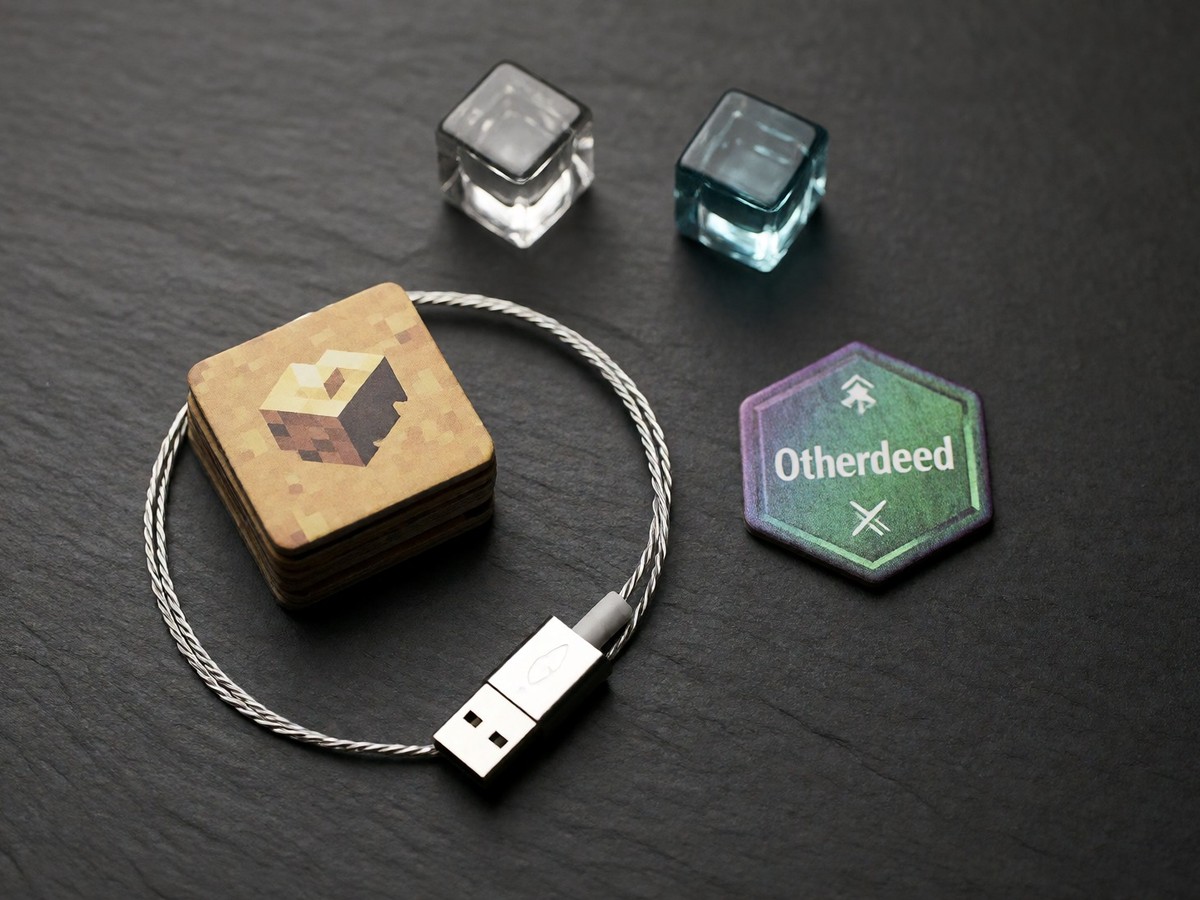
The Sandbox proves seasonal liveops drive more engagement than static land ownership. During Season 4, the platform featured 100 experiences, including 40 major brands and 60 UGC experiences. This period generated 1.2 million blockchain transactions and 2.6 million NFTs. The 580,000 unique players spent an average of two hours playing. This period yielded 330,000 unique NFTs sold. You should watch how these seasonal spikes drive traffic to the 2,000 unique experiences already live on the map. The Sandbox also encourages creators to build their own communities and audiences through builder challenges and leaderboards. While Otherside provides open data kits for developers, it relies on Yuga Labs’ IP like Bored Apes for its identity. Otherside requires an Otherdeed or a Koda to participate in its five regions, including Rainbow Atmos and Infinite Expanse. The necessity of owning land or specific NFTs creates a barrier that seasonality avoids. The Sandbox leverages 6 million user wallets and 25,000 LAND owners to build its ecosystem. Does land ownership provide enough incentive for daily logins when the main seasonal events end?
Massive spending does not ensure habit formation
Massive subsidies do not guarantee long-term habit formation. Tencent spent 1 billion RMB on Yuanbao to drive downloads during the Spring Festival, which helped the platform reach 23.99 million daily active users after a 2.1x increase in its daily active user count. However, the WeChat governance system intervened and restricted the campaign. Alibaba spent 3 billion RMB on Qwen to reach 58.48 million daily active users, which is a 7.3x increase from its baseline. This campaign processed over 10 million orders in nine hours. These numbers highlight the instability of subsidy-driven growth. Alibaba’s Qwen also faced errors when its order-matching logic delivered Cudi when users specified Luckin. This error shows how agent reliability can break user trust. Baidu spent 9 billion RMB in 2019 and saw only 2 percent 7-day retention. I see the pattern where massive spending creates a spike but fails to build a lasting network. The scale of the subsidy competition among Baidu, Tencent, and Alibaba demonstrates the difficulty of maintaining interest without organic utility.
Join the discussion