
Base dominance and regulatory friction
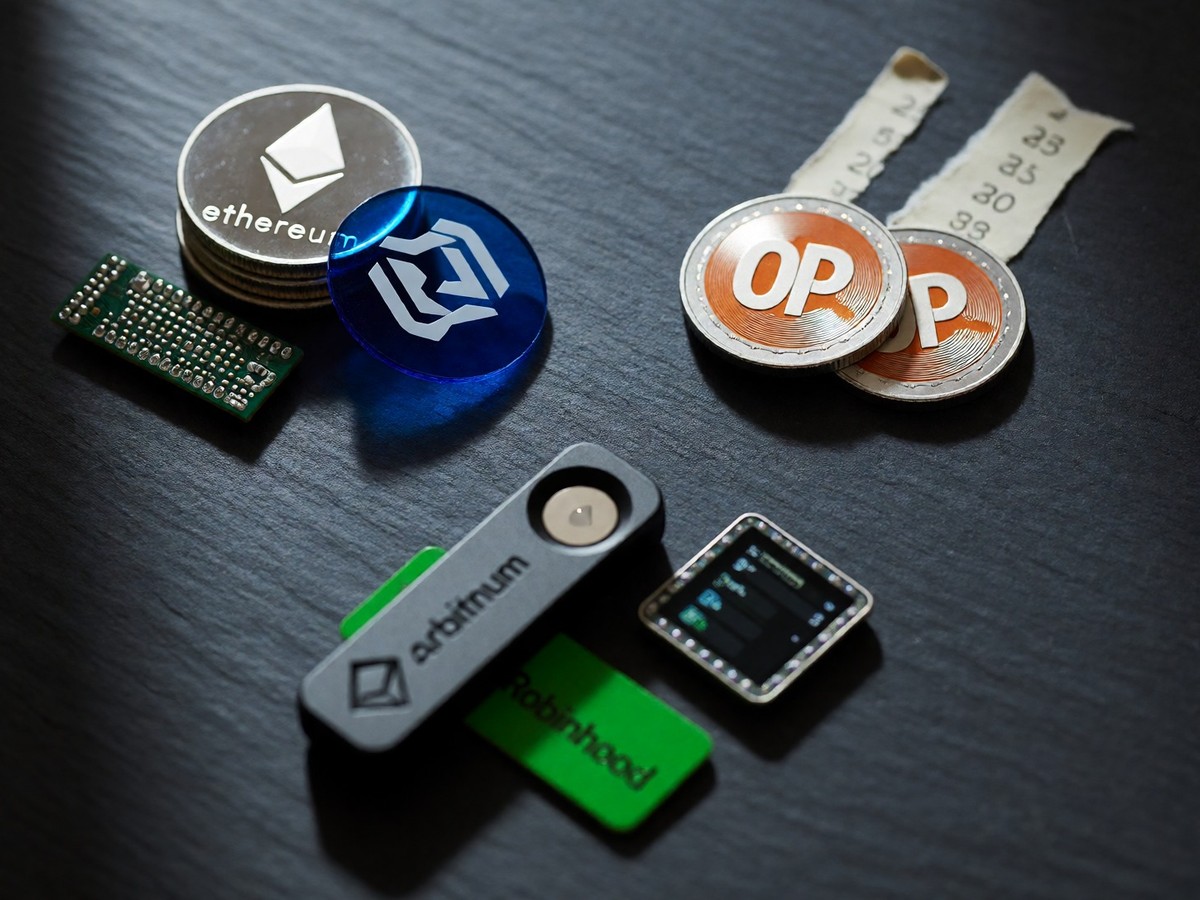
Base maintains 1.5 million daily active addresses and $2.49 billion in total value locked despite ongoing SEC legal battles involving Coinbase. Meanwhile, Robinhood's Arbitrum Orbit rollout targets 23 million users, while Optimism utilizes OP token grants to expand its Superchain ecosystem.

Base holds $2.49 billion in total value locked and ranks among the top five blockchains by TVL. This network maintains 1.5 million daily active addresses, a level of engagement that exceeds other Layer 1 rollups. To manage this load, Base increased its block gas target from 10 to 13 Mgas/s, targeting a 1 Ggas/s limit. However, the network remains in the early stages of decentralization as an optimistic stage 0 rollup without a fraud-proof system. I find the SEC’s focus on Coinbase’s staking services and spot markets a distraction from technical network growth. Coinbase insiders dumped $26 million in shares this year, a massive exit that contradicts the company’s public optimism. The SEC continues to seek extensions in its legal battle with Coinbase, having filed a motion on February 14 to move the response deadline to March 14, 2025. The legal dispute originates from a case in the U.S. District Court for the Southern District of New York. The agency also operates a new crypto task force led by Commissioner Hester Peirce to develop regulatory frameworks for the Second Circuit appeal.
Arbitrum enterprise rollouts versus Optimism grants
Robinhood launched its Arbitrum Orbit network to bring 23 million users on-chain using the Arbitrum Nitro stack, which provides sub-second confirmation times and allows for custom gas tokens, stocks, or even reward points. This network uses fee abstraction to allow users to pay for gas with USDC or reward points. Robinhood also provides a self-custodial wallet with social recovery and KYC-compliant DeFi access. Native integration with brokerage accounts allows users to deposit crypto or fiat directly. This integration, combined with the Arbitrum Nitro stack, positions the chain as a major consumer on-ramp. Arbitrum Orbit’s customizability attracts enterprises looking for predictable costs and Ethereum-level security. You know that mass adoption requires these kinds of user-friendly features. Unlike the generic OP Stack, Orbit chains allow for permissionless validation and governance flexibility.
| Entity/Metric | Value/Detail |
|---|---|
| Base TVL | $2.49 billion |
| Base Daily Addresses | 1.5 million |
| Kraken (Ink) Grant | 25 million OP tokens |
| Optimism Remaining Treasury | 361 million OP tokens |
| Robinhood Users | 23 million |
Optimism relies on a different growth strategy through its Superchain. To encourage the deployment of new networks, the Optimism Foundation distributes OP tokens to projects. Kraken’s Ink project received 25 million OP tokens, which researchers valued at $42.5 million at the time. The total treasury contains 841 million OP tokens, with 480 million already committed to various projects. This leaves 361 million OP tokens remaining, worth approximately $480 million at a price of $1.32 per token.
Ecosystem revenue and scaling battles
The distribution of on-chain fees shows where the real money lives in the ecosystem. In 2025, DeFi and trading platforms captured 63 percent of all on-chain fees, while blockchains themselves captured only 22 percent. This concentration means that developers often prioritize application-layer revenue over base-layer stability. Optimism attempts to counter this by using OP token grants to secure its Superchain. Projects can apply for grants through the Grants Council or the Retroactive Public Funding Goods bucket. The RPGF bucket alone contains just shy of 860 million OP tokens to reward on-chain impact across the Superchain. For example, the Bitcoin-focused BOB project negotiated a deal for 500,000 OP tokens via the Grants Council. As volume scales, verbal fee-sharing arrangements often lead to disputes, requiring clear, documented commercial agreements regarding payment cadence and audit rights. Does the current grant model provide a permanent advantage for the OP Stack?

Join the discussion