
Binance’s $2.5B Compliance Spend vs. Regulatory Reality
Binance's $2.5 billion compliance spend in November 2026 contrasts with its $4.3 billion SEC fine and $6.3 billion hack loss. While the exchange secured a Dubai VARA license, it faces a French AMF withdrawal, an active DOJ probe, and an adjourned Nigerian trial seeking $81.5 billion.

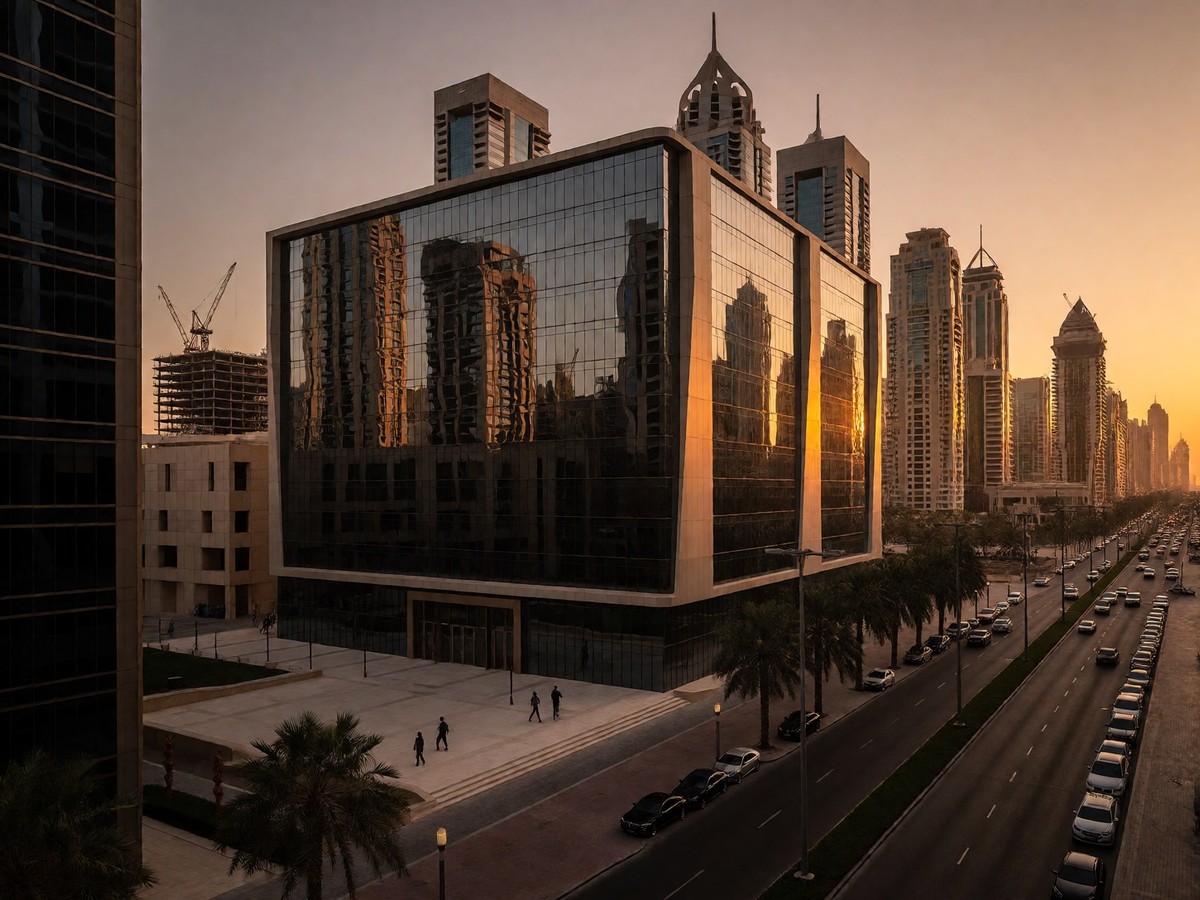
Binance’s global compliance spend for November 2026 stands at $2.5 billion, a figure that dwarfs the $4.3 billion fine it paid in November 2023 for violating U.S. anti-money laundering rules. This expenditure coincides with the exchange securing a full market license from Dubai’s VARA regulator and operating under Abu Dhabi’s financial oversight since December 2025. However, the numbers reveal a stark disconnect between regulatory acceptance in the Middle East and rejection in Europe. France’s AMF withdrew its registration, while the European Union blocked Binance from operating entirely in May 2026. The company continues to face a Department of Justice investigation into alleged sanctions evasion regarding Iran-backed groups, including the Houthis. These legal pressures exist alongside a massive security failure where hackers stole $6.3 billion on October 29, 2026. The largest digital-asset heist in history forced Binance to suspend withdrawals and freeze approximately $3 billion in stolen funds through blockchain intelligence partners.
| Metric | Value |
|---|---|
| November 2026 Compliance Spend | $2.5 billion |
| 2023 SEC Settlement Fine | $4.3 billion |
| October 2026 Hack Loss | $6.3 billion |
| Frozen Stolen Funds | $3 billion |
The financial outlay does not guarantee safety or legal immunity. In Nigeria, authorities filed a lawsuit seeking $81.5 billion for economic losses and back taxes, alleging the company operates without proper registration. The trial has been adjourned, leaving the liability unresolved. Meanwhile, internal investigators who flagged suspicious transactions involving Russia and Iran were fired or suspended after reporting these risks to leadership. This pattern suggests that the $2.5 billion compliance budget may prioritize external licensing over internal enforcement. The exchange now allows trading of over 7,000 U.S. stocks and ETFs via brokers like Alpaca, expanding its services beyond crypto. Yet, this expansion happens while law enforcement tracks transactions flowing to networks financing Iran’s Islamic Revolutionary Guard Corps as recently as May 2026. The contrast is sharp: Binance buys access to regulated markets in Dubai while losing standing in France and facing criminal scrutiny in the United States. I find it difficult to view the compliance spend as a shield when the same platform facilitated money laundering for organized crime groups despite pledging zero tolerance in 2023. The $6.3 billion hack further exposes the fragility of a system that holds user assets without the strict insurance mandates governing traditional Wall Street firms. Critics note that crypto exchanges do not follow the same regulations as established brokers, leaving investors vulnerable. The question remains whether spending billions on licenses can offset the risk of a platform that continues to serve sanctioned entities. The answer likely lies in the outcome of the ongoing DOJ investigation and the Nigerian tax case. For now, the numbers show a company buying its way into new markets while bleeding capital to regulators and hackers alike. The gap between the $2.5 billion spent on compliance and the $4.3 billion previously paid in fines highlights a cycle of penalty and payment rather than structural reform. Investors should weigh the Dubai license against the French withdrawal and the active DOJ probe before trusting the stability of their holdings. The reality is that regulatory approval in one jurisdiction does not neutralize threats from another. Binance’s strategy relies on geographic diversification, but the legal risks remain concentrated in the U.S. and EU. The adjournment of the Nigerian trial adds another layer of uncertainty to an already complex regulatory landscape.


Join the discussion