
FinCEN and FATF Travel Rule Compliance for Crypto Transfers
Virtual Asset Service Providers must exchange identity data for qualifying transfers to ensure AML compliance. FinCEN requires reporting for transactions exceeding $3,000, while FATF standards often target transfers over $1,000 to improve global traceability.

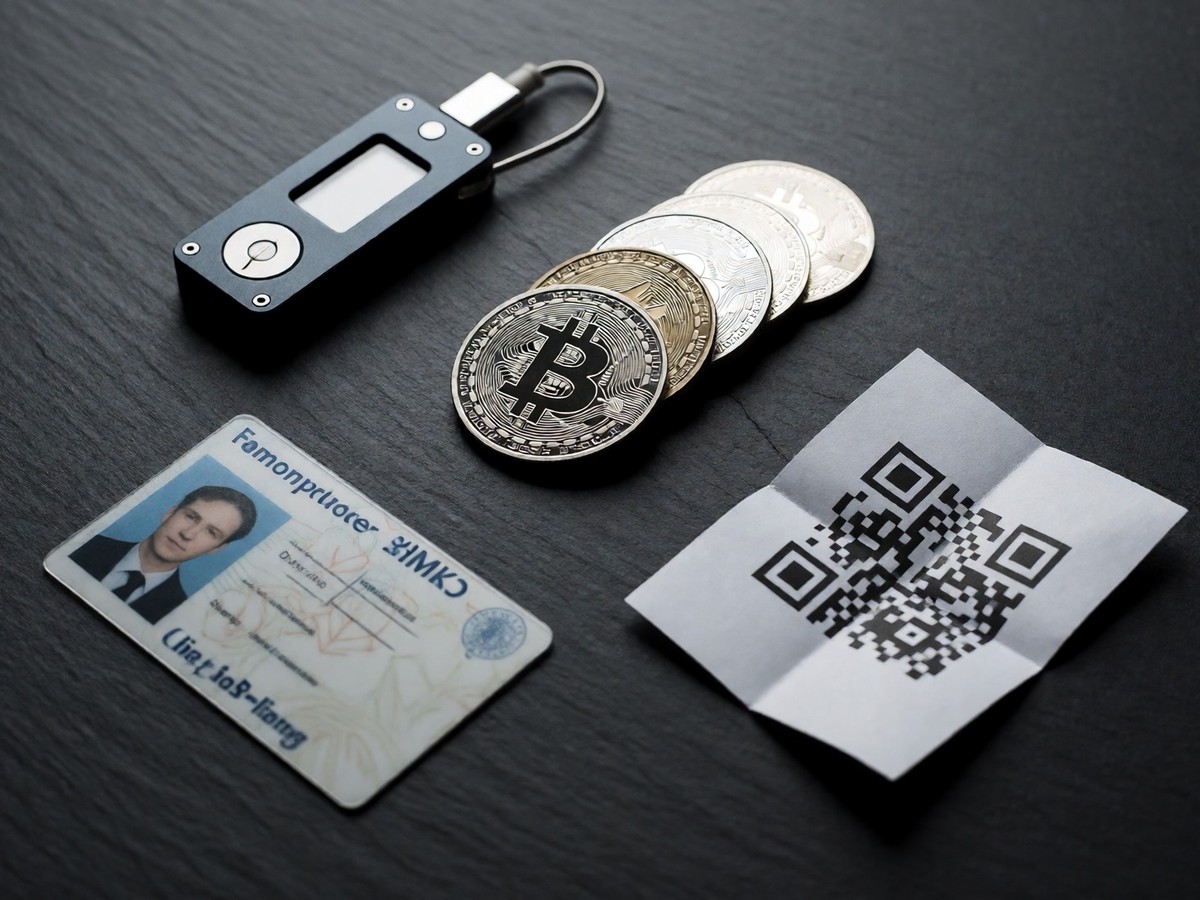
Mandatory data exchange requirements
The Financial Action Task Force (FATF) Recommendation 16 mandates that Virtual Asset Service Providers (VASPs) collect and exchange specific identity data during qualifying transfers. This requirement applies to cryptocurrency exchanges, custodial wallet providers, brokers, digital asset trading platforms, and payment processors. When a transaction meets specific thresholds, the sender’s exchange must transmit the full legal name, account or wallet reference, and address or national ID of the originator to the receiving institution. The recipient’s information must also include their full legal name and wallet identifier. FinCEN applies these reporting requirements for transactions exceeding $3,000. While the Travel Rule requires information to accompany a transfer, Know Your Customer (KYC) protocols provide the identity verification necessary to fulfill that obligation. KYC enables exchanges to verify customer identity, reduce fake accounts, and prevent identity theft. This data exchange often includes the date and place of birth when required by local jurisdictions. The specific information shared typically involves the full legal name, account number, and location of the sender, alongside the name and account identifier of the beneficiary. This layer of transparency aims to detect suspicious activity and strengthen global anti-money laundering compliance. A VASP is any regulated company involved in crypto transactions on behalf of customers, including certain institutional custody providers. The rule works by ensuring regulators can identify who sent the funds, who received them, and through which regulated institutions the assets moved.
Regional differences in transfer thresholds
Different regulatory frameworks create friction for global money transmitters. You likely already know that different jurisdictions set different rules. The European Union uses the MiCA regulation to harmonize rules, covering all qualifying VASP-to-VASP transfers regardless of the transaction value. This differs from the United States, where FinCEN focuses on transactions surpassing $3,000. In other regions, such as Japan and South Korea, regulators prioritize strict KYC and AML compliance to prevent illicit activity.
| Regulator | Transaction Threshold | Primary Focus |
|---|---|---|
| FinCEN (USA) | Over $3,000 | Identity reporting |
| FATF (Global) | Often $1,000 | AML/CFT transparency |
| MiCA (EU) | No minimum value | Harmonized VASP standards |
| Asia (General) | Varies by country | KYC/AML compliance |
The FATF targets Virtual Asset Service Providers (VASPs) to enhance transparency and prevent money laundering. Most regulated entities must share the sender’s name, account number, and location. For transactions exceeding $1,000, the rule necessitates the inclusion of specific details to improve traceability in suspicious activity investigations. These varying regulations mean businesses must stay updated on the rules in each region where they operate to stay compliant. Identifying the correct regulatory threshold prevents the risk of heavy fines and operational shutdowns. Compliance efforts involve navigating the nuances of local laws like those in Singapore or the United Arab Emirates.
Operational realities and privacy risks
Implementing the Travel Rule demands significant investment in new software and compliance personnel. Small exchanges suffer under the weight of these mandatory compliance costs. The requirement to share personally identifiable information creates massive privacy vulnerabilities. Data leaks and hacks of these sensitive databases pose a constant threat to users. Regulators expect VASPs to use encryption and secure data-sharing infrastructure to mitigate these risks. The technical difficulty of sharing data between decentralized wallets remains a persistent hurdle. How will decentralized protocols eventually resolve the friction between anonymity and these mandatory identity checks? Compliance remains a heavy burden for small exchanges. Operational adjustments involve upgrading technology systems and hiring specialized compliance staff to manage data-sharing workflows. These changes can slow down operations and create inefficiencies for businesses. Beyond costs, the loss of anonymity concerns many users who prefer the privacy inherent in blockchain technology. Businesses must find a balance between meeting regulatory obligations and maintaining user trust. While blockchain provides a transparent record of transactions, the personal information required by the Travel Rule travels privately between institutions rather than on-chain. This distinction protects user data from public view, though it does not eliminate the risk of centralized database breaches.




Join the discussion