
HKMA issues first stablecoin licenses to HSBC and Anchorpoint
The HKMA has granted its first stablecoin licenses to HSBC and Anchorpoint Financial Limited, prioritizing risk management over rapid expansion. Licensed entities must maintain HK$25 million in paid-up capital to issue Hong Kong dollar-backed stablecoins for local transactions.

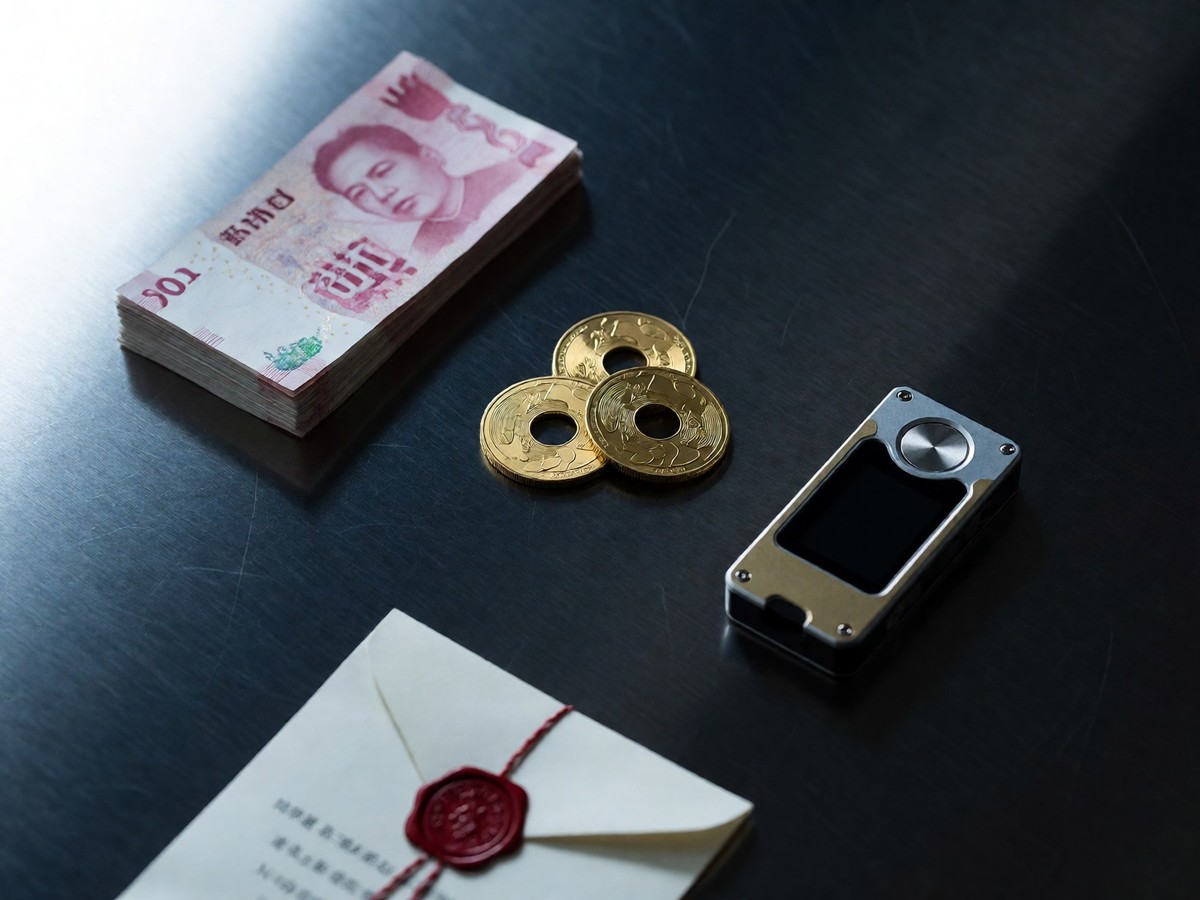
The HKMA issued its first stablecoin licenses to HSBC and Anchorpoint Financial Limited. Only 2 of 36 applicants received approval following the September 2025 deadline. This low approval rate shows the regulator prioritizes risk management and viable business plans over rapid market expansion. Licensed entities must maintain HK$25 million in paid-up capital and HK$3 million in liquid capital. The HKMA expects the first regulated stablecoins to go live later this year. Anchorpoint Financial Limited operates as a joint venture involving Standard Chartered Bank (Hong Kong) Limited, HKT Limited, and Animoca Brands Limited. The HKMA selection process focused on the ability of applicants to manage financial and operational risks as well as the viability of their use cases, such as cross-border payments and settlement for tokenized assets. Both licensees plan to issue Hong Kong dollar-backed stablecoins in the first phase. They intend to use these tools for local transactions, programmable payments tied to supply chain financing, and reducing costs in cross-border settlements. These issuers must complete system testing, operational setup, and compliance checks before they launch. The regulatory regime follows the Stablecoins Ordinance and uses a "same activity, same regulation" approach to align oversight with existing financial rules. The HKMA will continue engaging with other applicants but has not committed to a timeline for additional approvals.
Reserve and compliance requirements
| Requirement | Specification |
|---|---|
| Minimum Paid-up Capital | HK$25 million |
| Minimum Liquid Capital | HK$3 million |
| Reserve Backing | 100% of circulation |
| Redemption Period | T+1 business days |
| Reserve Asset Maturity | $\le$ 1 year |
Issuers must maintain 100% reserve backing with high-quality, highly liquid assets. These assets include cash, bank deposits with terms under three months, or government securities with a residual maturity of one year or less. For multicurrency stablecoins, reserve assets must match the referenced currency proportions. Holders possess an absolute right to redeem stablecoins at par value within one business day, a requirement designed to prevent liquidity crises. You should expect high operational costs because issuers must implement strict AML and KYC controls. These identity verification requirements create hurdles for international commerce, particularly for small enterprises in Africa or South America that lack the infrastructure to meet Hong Kong standards. JD.com faces regulatory pressure because the PBoC and CAC ordered mainland-linked companies to suspend Hong Kong stablecoin plans in October 2025. Furthermore, the February 2026 eight-agency ban prevents mainland entities and their controlled overseas subsidiaries from issuing CNY-pegged stablecoins abroad without government approval. Issuers must meet strict requirements regarding the management of fiat-backed reserves, the implementation of price stability mechanisms, and the creation of clear redemption processes to ensure they can honor all user requests at par value. Carrying out regulated stablecoin activity without a license risks a fine up to HK$5 million and imprisonment up to seven years.
Policy expansion and trading
The 2026 Policy Address expands stablecoin trading and connects it to tokenized real-world assets. Regulators will build frameworks for regulated venues to support compliant stablecoin pairs. The government links tokenized assets to the EnsembleTX project to allow 24/7 settlement using wholesale CBDC balances. This integration allows tokenized bonds and assets to clear without depending on traditional banking hours or correspondent bank cutoffs. The HKMA expects the technical build-out of EnsembleTX to continue as it expands participating institutions. The policy prioritizes the expansion of digital bond infrastructure to provide a foundation for wider securities tokenization. The government treats the existing experience with tokenized green bonds as the foundation for a wider securities tokenization push. This roadmap follows the ASPIRe principle of "same business, same risk, same rules" to integrate traditional safeguards into the virtual asset sector. The expansion targets the ability to move assets on-chain, though the government has not disclosed which asset classes will move first. Does the regulatory sequence of licensing issuers before trading venues provide enough liquidity?



Join the discussion