
Paraguay’s Bitcoin mining ban and Itaipu hydroelectric surplus
Paraguayan Senate legislation targets illegal crypto mining to protect a grid facing a 17.9% consumption increase. Meanwhile, US interest in AI infrastructure complicates energy negotiations regarding Itaipu surplus power and the $19.28 per kW-month tariff agreement.

The Paraguayan Senate proposed a temporary ban on crypto mining and related activities on April 4 to protect the national electricity grid. This legislation aims to stop illegal mining operations from siphoning electricity and causing blackouts. Senator Maria Soares cited a worrying increase in unauthorized facilities that disrupt supply for legitimate businesses and households. This proposed ban threatens to cost the industry an estimated $200 million annually. National electricity consumption reached 22,090,238 MWh from January to August 2026, which constitutes a 17.9% increase compared to the same period in 2025. Law 7300, which passed in July 2024, increased the prison term for electricity theft to ten years and allows for the seizure of equipment. Under Decree 7824/2022, intensive-consumption users must connect at specific voltages like 220 kV, 66 kV, or 23 kV. As of April 2026, 41 legal intensive-consumption users held 943.8 MW of reserved capacity, with four companies alone accounting for 730 MW. Droughts have reduced overall electricity production and exacerbated concerns about energy-intensive mining. Illegal mining operations have led to the seizure of 10,000 ASICs and the theft of roughly $60 million in electricity annually. The proposed ban would last 180 days or until new laws address the issue. Jaran Mellerud, co-founder of Hashlabs Mining, says the move sends a negative message to potential investors.
Itaipu surplus attracts international AI interests
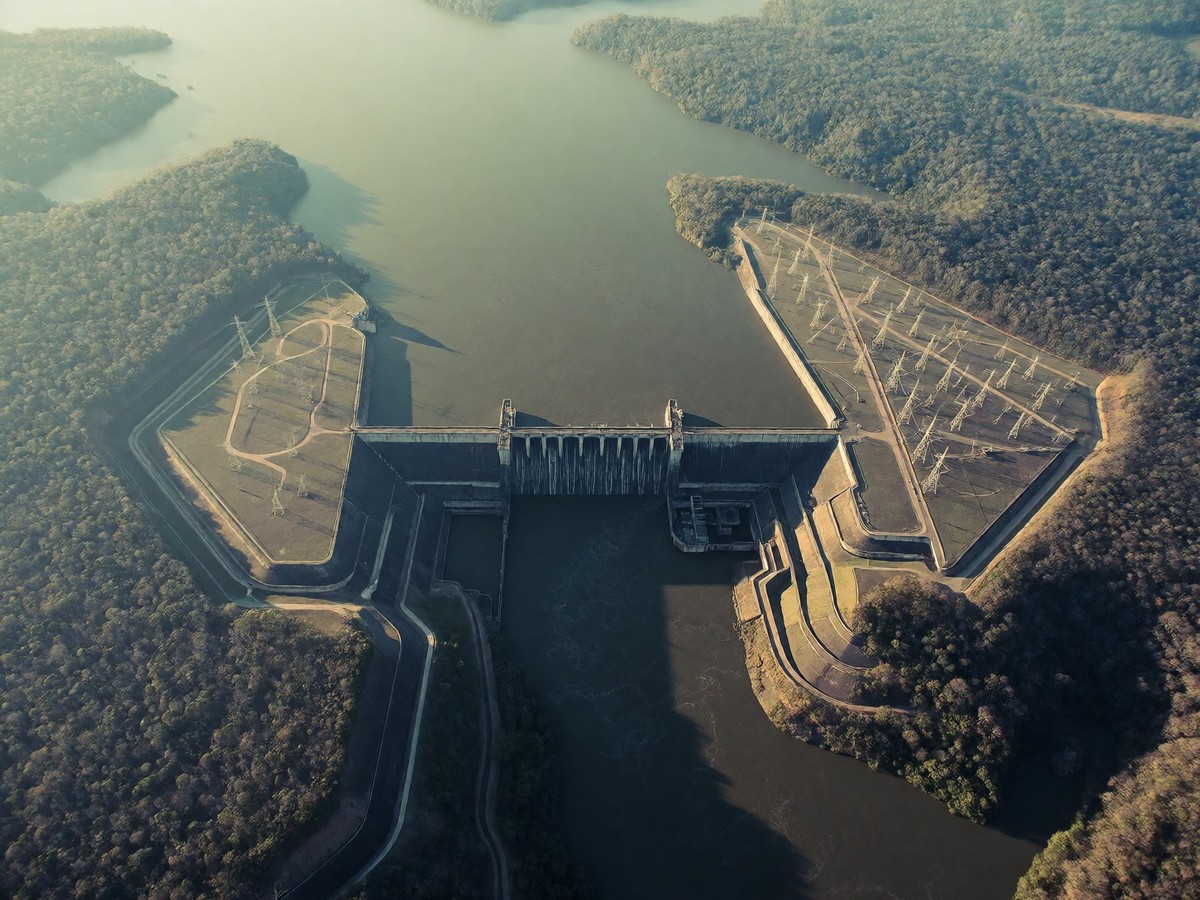
The US Secretary of State Marco Rubio expressed interest in purchasing surplus energy from the Itaipu hydroelectric plant to power artificial intelligence projects, a move that introduces new complexities into the ongoing negotiations between Brazil and Paraguay regarding the Annex C framework. Paraguay consumes more electricity from the binational plant than its contractual quota, which often uses energy belonging to Brazil. The amount of power the domestic system must absorb is rising rapidly as Paraguay takes more electricity for itself. Brazilian parent company ENBPar reported a $1.85 billion deficit between 2018 and 2022 because the state utility ANDE systematically subcontracted volumes of electricity from Itaipu to meet domestic market needs. The 2024 Paraguay-Brazil agreement fixed the Itaipu electricity-service tariff at $19.28 per kW-month for the period through 2026. ANDE’s annual Itaipu bill rose from approximately $548.3 million in 2024 to $663.3 million in 2026. The Itaipu plant produces 75 million megawatt-hours of energy per year. While the cost for excess power is only $3.34 per kW, the disagreement over how to handle the surplus remains a priority for the 130 million Brazilians in the southern and central-west regions who pay the bill. The expiration of the 2023 agreement complicates the current arrangement. Will the US interest in AI infrastructure force a permanent change in how Paraguay allocates its hydro surplus?
Electricity costs and regional concentration
Miners concentrate their operations in Ciudad del Este and the Chaco region to access low costs. Electricity prices in these areas range from $0.03 to $0.05 per kWh due to surplus from Itaipu and Yacyreta. You know that electricity costs dictate where miners place their hardware. In the Chaco region, which covers 60% of the territory but houses only 3% of the population, Mennonite colonies like Filadelfia and Neuland run cooperatives with modern infrastructure. Ciudad del Este is the commercial capital and houses a massive duty-free-adjacent marketplace.
| Location | Electricity Cost (per kWh) | Primary Driver |
|---|---|---|
| Ciudad del Este | $0.03 – $0.05 | Itaipu proximity |
| Chaco Region | $0.03 – $0.05 | Low ANDE industrial rates |
Legal mining operations contribute to the trade balance, but the government must manage the grid. High-load customers monetize electricity immediately but consume capacity that the state might later assign to other sectors. The mining community in Ciudad del Este remains near the Itaipu Dam. Illegal mining operations continue to siphon electricity and cause significant losses. Ciudad del Este attracts 20,000 to 40,000 Brazilian shoppers daily who buy electronics and clothing.


Join the discussion