Ethereum & Altcoins
The technical necessity of Scroll’s prover evolution
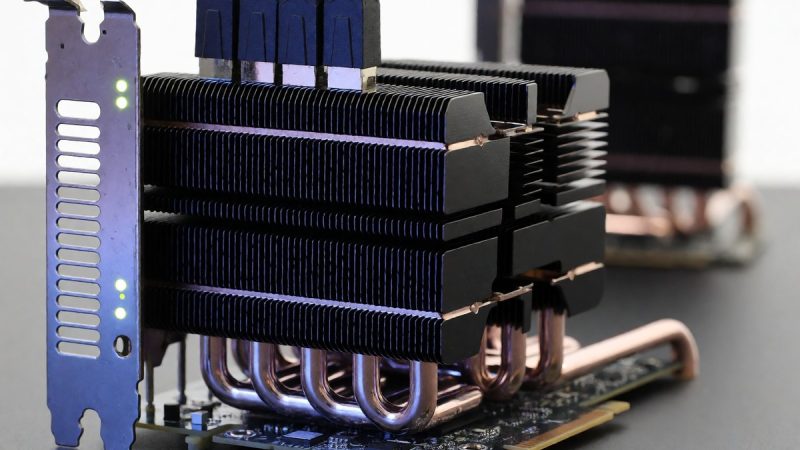
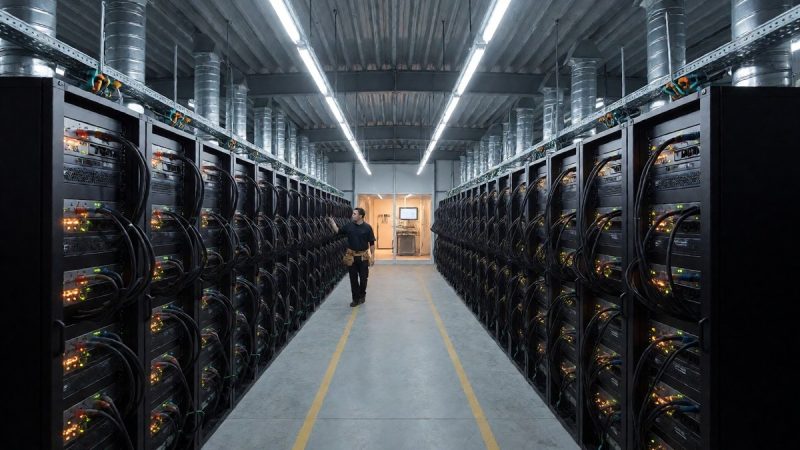
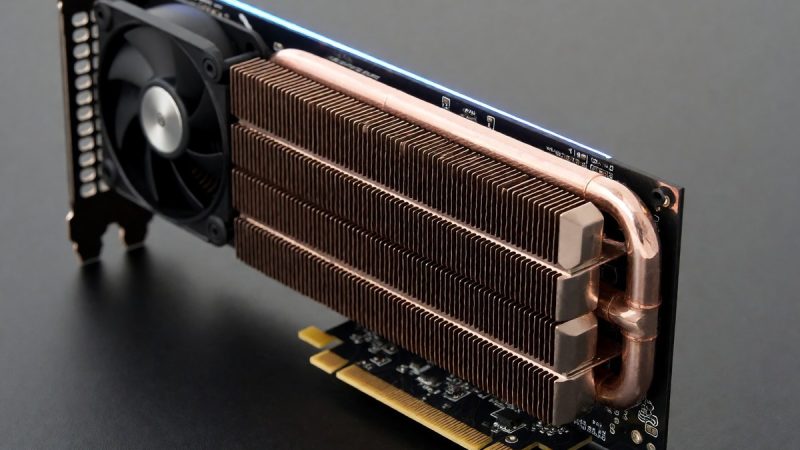
Scroll developers reduced ZK proving cycles by 50% through the Galileo upgrade to improve performance. This technical evolution aims to manage prover hardware load and…

Topic
Scroll developers reduced ZK proving cycles by 50% through the Galileo upgrade to improve performance. This technical evolution aims to manage prover hardware load and…
Scroll utilizes zero-knowledge proofs and bytecode-level EVM equivalence to enhance Layer-2 privacy. The network recently partnered with zCloak Network to enable…
The Ethereum Foundation's Ecosystem Support Program grew to $32.6 million in early 2025, shifting focus toward scaling. Scroll's Type 1 zkEVM architecture provides full…
Scroll reduced block time to 1 second and processed over 100 million transactions, supporting 220,000 SCR holders. The network integrates Fireblocks for security and…
Scroll pivots to a permissioned privacy AI chain, abandoning its open-source zkEVM mission. With centralized provers and $84 million in stablecoin supply, it lags…
Crypto wallet losses reached $1.17 billion in the third quarter of 2026, highlighting the dangers of moving assets during architectural shifts. Scroll's migration to a…
Scroll offers bytecode-level EVM equivalence and $2.1 billion in TVL as of April 2026, while Polygon zkEVM utilizes zkASM for speed. Performance metrics show Scroll…
Scroll expands its ecosystem following a $50 million funding round while the Ethereum Foundation allocates $9.856 million toward zero-knowledge proof technology.…
Scroll's OpenVM architecture utilizes a hierarchical proof aggregation system to lower proving costs. This technology enables the network to function as a Stage 2…