
Bitcoin mining energy expansion in Paraguay, Texas, and Kentucky
HIVE Digital operates a 400 MW renewable mining campus in Paraguay, making it the largest in the country. Meanwhile, Cipher Mining utilizes Texas wind power for data centers, and TeraWulf expands its Kentucky footprint to support high-density AI infrastructure.

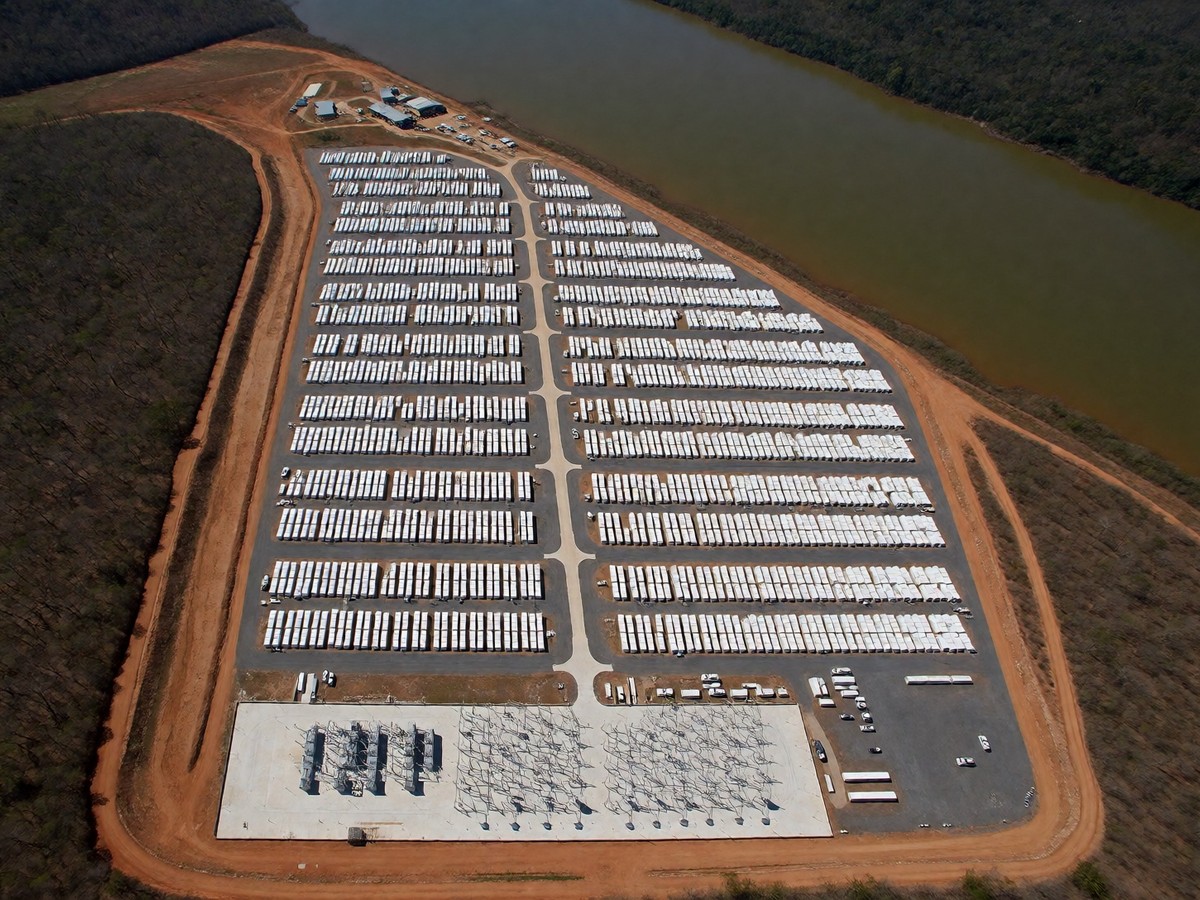
HIVE Digital acquired the Bitfarms Yguazu facility for $56 million in January 2025. This acquisition drove HIVE to add 300 MW of capacity in Paraguay through three expansion phases in 2025. The company now operates a 400 MW Paraguayan campus; this makes it the largest renewable mining facility in the country by capacity. Paraguay ranks as the fourth-largest bitcoin producer globally according to Joaquin Morinigo. The country generates electricity from the Itaipu and Yacyreta dams, providing abundant hydro power for the 41 companies in the state utility’s special industrial group. The 41 companies within the special industrial group managed by the state utility, Ande, draw a combined 943.8 MW of power, which equals about 13.5% of the total electricity allocation from the Itaipu dam. Industrial users access electricity at rates between $0.040 and $0.050 per kilowatt-hour. The Yguazu site produces 8.5 BTC per day. The crypto-mining sector generated over $250 million for Paraguay in 2025, fueling significant domestic economic activity. The Paraguayan government maintains a pro-crypto stance and exempts mining energy use from taxes until 2027. One major mining complex uses electricity equivalent to the consumption of 20,000 middle-class homes, while the Itaipu dam alone generates more than 14,000 MW in peak seasons. Ande invested $349.2 million in grid infrastructure in 2025 to expand the 500 kV backbone. The lack of an audited ranking for Paraguay’s production status is an unverified expert opinion.
Texas wind and Kentucky AI
Cipher Mining secured a preliminary agreement with ENGIE North America to purchase 300 MW of clean energy from a wind facility in Texas. This arrangement uses surplus wind generation to power a co-located data center and mitigate curtailment challenges in West Texas. Cipher currently operates 327 MW of capacity including 207 MW in Odessa, 40 MW in Alborz, and two 40 MW sites near Andrews. The company also manages development projects such as Black Pearl, which will provide 150 MW, and Reveille, which scales to 200 MW. Cipher’s development in Texas includes the Stingray site in Andrews County, which provides 100 MW of capacity for its operations. Cipher spun off from Bitfury in March 2021 and holds a development pipeline of 2.8 GW. Meanwhile, TeraWulf controls 2.3 GW of power and focuses on high-density infrastructure for artificial intelligence. In July 2026, Anthropic signed a 20-year lease for a data center at the Justified Data campus in Hawesville, Kentucky. This lease expects to generate $19 billion of contracted revenue over the initial term. TeraWulf expanded its footprint by purchasing the former Century Aluminum smelter site in Kentucky in February 2026. Paul Prager and Nazar Khan founded TeraWulf in January 2021 to develop large-scale digital infrastructure. The company manages facilities in New York and Pennsylvania, including the Lake Mariner site.
| Company | Capacity/Project | Energy Type |
|---|---|---|
| HIVE Digital | 400 MW (Paraguay) | Hydro |
| Cipher Mining | 300 MW (Texas) | Wind |
| TeraWulf | 2.3 GW (Total) | Integrated |
Energy economics
The global Bitcoin mining hashashrate fell to 1,004 EH/s in Q2 2026, a 5.8% drop from the first quarter. This decline followed Bitcoin’s price drop from approximately $124,000 in October 2025 to $65,000 lows in February 2026. Around 252 EH/s of older-generation equipment running at 25+ J/TH went offline during this period. HIVE scaled its global hashrate from 6 EH/s at the start of 2025 to 22 EH/s by October 2025. This growth targets a total of 35 EH/s by 2026. You should watch for the renegotiation of the Itaipu Treaty, as changes to the pricing formula for surplus energy could shift the economics for long-term deployments. Does the high demand for power in Paraguay create a risk for grid stability during dry seasons? HIVE stock prices declined 3.58% on October 21, following a single-day 28% spike earlier in the month. Brazil’s hashrate grew 133% year-over-year to 3.5 EH/s, a surge driven by the opening of the deregulated energy market to large consumers.




Join the discussion