
Bitcoin’s November 2026 difficulty adjustment explained
Bitcoin network difficulty dropped 9.13% on November 14 at block 975,744 due to a falling hashrate. This adjustment follows a period where miners redirected power toward AI workloads and high-performance computing as hashprice settled near $32.21 per petahash.

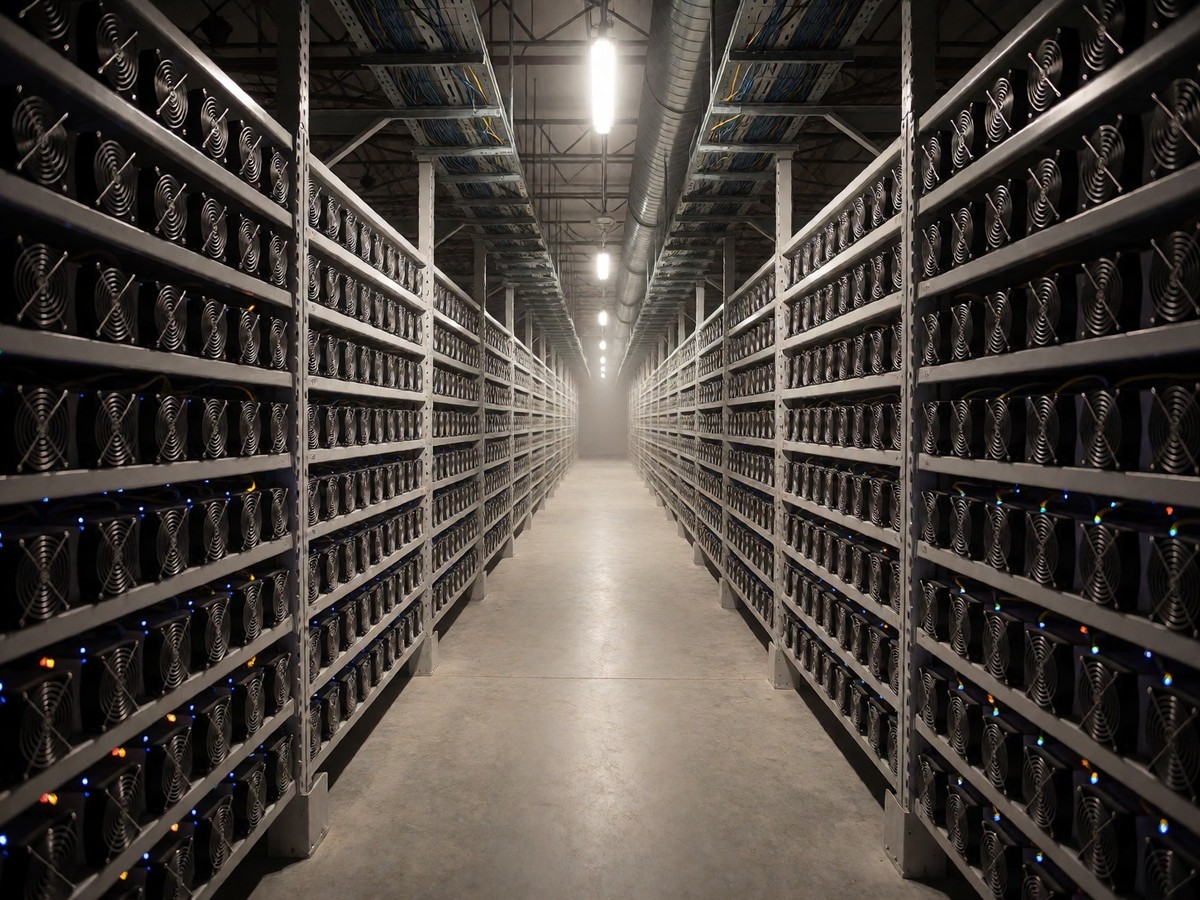
The November 14 difficulty reduction
Bitcoin network difficulty dropped 9.13% on November 14 at block 975,744. This adjustment lowered difficulty from 148.36 trillion to 134.82 trillion. This change follows the October 29 retarget that increased difficulty by 5.54% to 148.36 trillion at block 973,728. The difficulty reduction on November 14 follows a period where the network difficulty reached 148.36 trillion after a 5.54 percent increase on October 29 at the specific block height of 973,728. The protocol adjusts every 2,016 blocks to keep block production near 10 minutes. The November 14 move reversed the gains from the October 29 increase. This reduction occurred because the hashrate fell relative to the previous epoch. The network hashrate currently fluctuates between 950 and 1,200 EH/s. Since January 8, the network recorded nine downward adjustments and six upward ones. These movements produced a net decline of 13.82% from the January opening level of 146.47 trillion. The cumulative upward moves in 2026 totaled 31.04%, while downward moves reached 43.96%. In June, the difficulty fell 10.09% at block 953,568, moving from 138.96 trillion to 124.93 trillion. That epoch took 15.6 days to complete. Earlier, the July 25 adjustment at block 959,616 reduced difficulty by 0.74% from 127.17 trillion to 126.23 trillion. That adjustment addressed block production that had stretched beyond the 10-minute target.
| Date | Adjustment Type | Block Height | New Difficulty |
|---|---|---|---|
| June 14, 2026 | 10.09% decrease | 953,568 | 124.93T |
| July 25, 2026 | 0.74% decrease | 959,616 | 126.23T |
| October 29, 2026 | 5.54% increase | 973,728 | 148.36T |
| November 14, 2026 | 9.13% decrease | 975,744 | 134.82T |
Why miners moved power to AI workloads
Economic pressures drive miners to redirect power away from Bitcoin. Large operators reallocate megawatts toward artificial intelligence inference and high-performance computing contracts. One incident saw 64,000 rigs totaling 13 EH/s move to the OCEAN pool after unauthorized management software changes. You already understand how mining rewards work, so focus on the math behind this specific shift. The difficulty drop happens when miners stop producing blocks at the expected rate. The 26% year-to-date price decline forces many operators with older hardware to shut down as they fall below their breakeven point. Hashprice settled near $32.21 per petahash, a drop from $37.39 over a 206-day span. Network-wide miner revenue averaged $28.5 million over the last thirty days. Operators weigh the cost of SHA-256 mining against the higher profit margins of AI infrastructure. The cumulative value of AI and HPC contracts across the public mining sector has passed $70 billion. Miners replace SHA-256 servers with GPU clusters optimized for large-language model training. Will the current hashrate stability persist through the end of the year?
Network security and pool distribution
Mining pools maintain block production even as hashrate shifts. Foundry USA controls approximately 25% of recent blocks. AntPool and F2Pool each command between 17% and 21% of the network. These pools provide reliable payouts to participants during these shifts. The 9.13% difficulty cut provides relief to operators who kept their rigs running. Bitcoin price currently trades around $87,000 according to Bloomberg. This price level influences whether miners find it profitable to return to the network. If the price recovers, difficulty will rise again. The network hashrate rebounded above 1,000 EH/s recently, gaining about 185 EH/s since mid-July. Lower difficulty does not weaken network security as long as hashrate remains geographically and operationally diverse. The security model rests on the economic cost of assembling majority hashpower, not on any absolute number of hashes. As long as honest participants control the majority of the applied work, the chain remains secure. The protocol ensures that no single mining cohort can permanently lock in an advantage. The target simply tracks the aggregate computational effort that miners apply to the network.



Join the discussion