
Bitcoin’s November 2026 hashrate geopolitical shift
Bitcoin mining energy usage and network decentralization face evolving pressures as the industry navigates renewable energy adoption and shifts in hashrate distribution. The network maintains a fixed supply of 21 million BTC with over 20.1 million coins currently in circulation.


Energy usage and the mining landscape
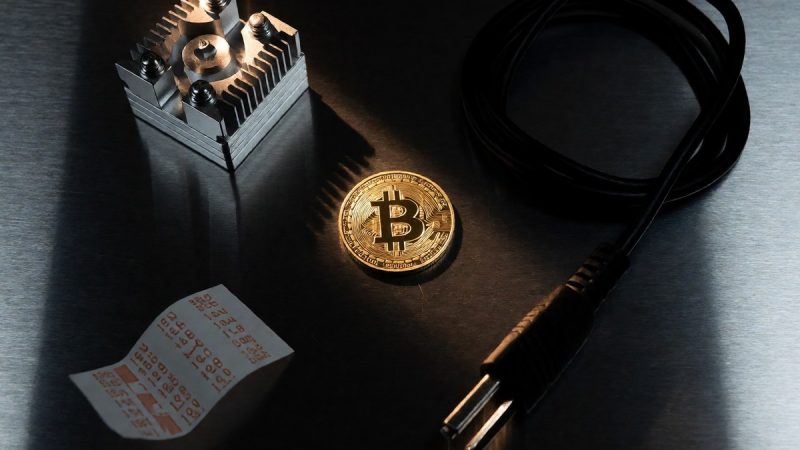
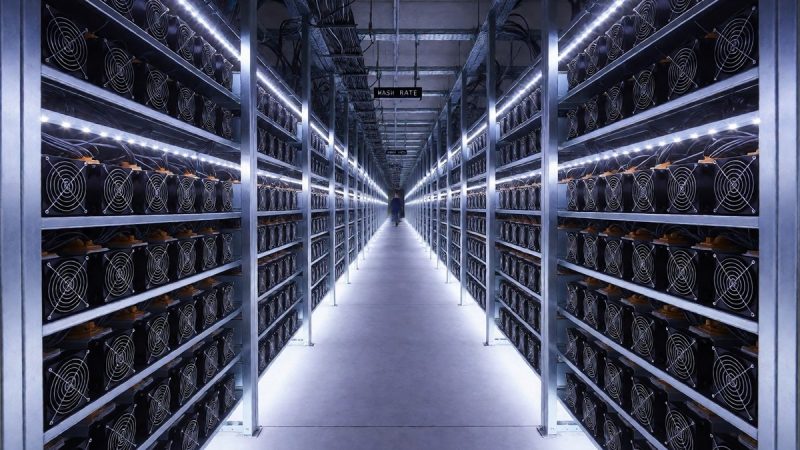
Bitcoin mining involves massive electricity consumption. A report found that each Bitcoin transaction takes 1,173 KW hours of electricity. This amount can power the typical American home for six weeks. The energy required by Bitcoin annually is more than the annual hourly energy usage of Finland. Many consumers became curious about energy consumption and personal effects on climate change. Elon Musk stated in May 2021 that Tesla would no longer accept the cryptocurrency due to concerns regarding its environmental footprint. Miners currently use renewable energy for 40% to 75% of their operations. The Bitcoin mining community attests that the expansion of mining can help lead to the construction of new solar and wind farms in the future, even as critics claim that increasing renewable usage will take away from solar sources powering hospitals, factories, or homes. Politicians and tech figures discussed the future of mining in a US congressional hearing. They discussed the coal-to-crypto trend and the repurposing of coal plants in New York and Pennsylvania into mining farms. The Crypto Climate Accord proposes a plan to eliminate all greenhouse gas emissions by 2040. Some defenders of Bitcoin argue that the gold and banking sectors consume twice the amount of energy as Bitcoin. They note that the energy consumption of Bitcoin can easily be tracked and traced, which is not true for the gold or banking sectors.
Decentralization and network structure
Bitcoin operates as a peer-to-peer network with no central authority or banks. The protocol limits the total supply to 21 million BTC. Over 20.1 million bitcoins are in circulation. Users can hold or transfer fractions of a bitcoin using 100 million smaller units called satoshis. The network uses a proof-of-work system to confirm transactions and organize them into blocks. Miners solve complex mathematical problems and receive transaction fees and newly issued BTC in return. The most recent Bitcoin halving occurred in April 2024 and reduced the block subsidy from 6.25 BTC to 3.125 BTC. This programmed event reduces the rate at which new BTC enters circulation. Every 210,000 blocks, the block subsidy decreases by 50%. The network relies on distributed computers called nodes to maintain a shared public ledger known as a blockchain. These nodes maintain independent copies of the ledger without central oversight. You should keep in mind that these nodes verify all transactions to reach consensus.
| Feature | Detail |
|---|---|
| Total Supply | 21,000,000 BTC |
| Circulating Supply | 20,100,000 BTC |
| Most Recent Halving | April 2024 |
| Halving Reward | 3.125 BTC |
| 2024 Price Milestone | $100,000 |
Market volatility and ownership
The Bitcoin market experiences high volatility. The price reached $1 in 2011 and $1,000 in 2013. After reaching $20,000 in 2017 and $69,000 in 2021, the price surpassed $100,000 for the first time in December 2024. Estimates from June 2024 show that over 296 million people own Bitcoin globally. Approximately 14% of US adults own Bitcoin. About 20% of bitcoins in circulation are lost because owners forget their keys or pass away. The first known commercial transaction occurred in May 2010 when a programmer bought two pizzas for 10,000 BTC. This transaction is celebrated as Bitcoin Pizza Day. The total supply of 21 million coins is a fixed limit. While many people hold Bitcoin to benefit from price increases, the asset remains highly volatile. Hackers can target digital wallets to steal funds. Will the next halving in 2028 trigger another massive price surge? Miners verify the transaction within a few minutes.


Join the discussion