
Bitcoin’s Runes protocol fee burn mechanics explained
Bitcoin utilizes a peer-to-peer network where miners receive transaction fees to secure the blockchain. The network maintains a limited supply of 21 million BTC, with the most recent halving in April 2024 reducing the block subsidy to 3.125 BTC.

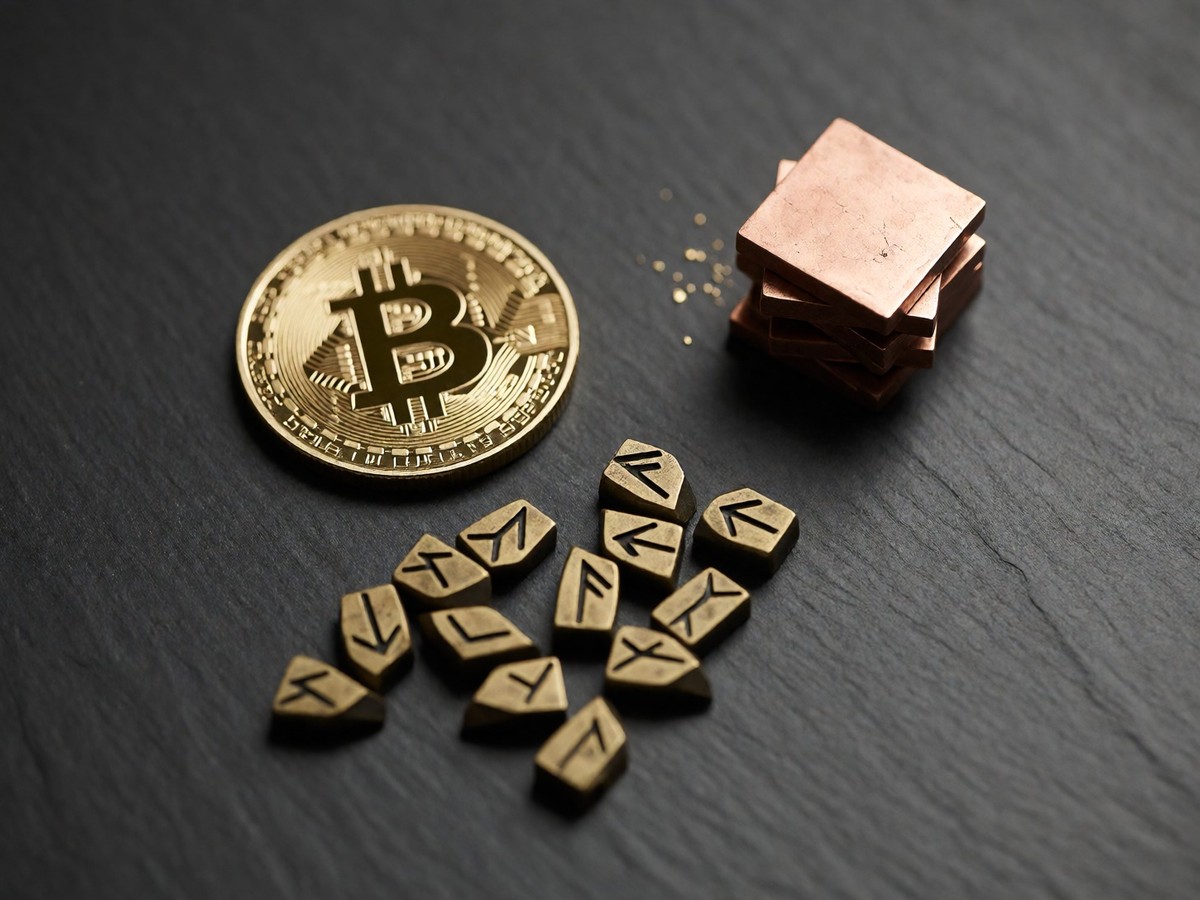
Bitcoin transaction mechanics and fees
Bitcoin uses a peer-to-peer network where nodes maintain a shared record of transactions on the blockchain. This system allows users to transfer value directly between participants without a central bank or payment intermediary. Miners use computing resources to confirm transactions, organize them into blocks, and add them to the blockchain. In return for this support, miners receive transaction fees and newly issued BTC. While miners receive transaction fees for supporting the network, the total supply of Bitcoin stays limited to 21 million BTC, and each unit is divisible into 100 million satoshis. The network became operational in January 2009 with the creation of the Genesis Block. The most recent Bitcoin halving took place in April 2024, which reduced the block subsidy from 6.25 BTC to 3.125 BTC. You probably know that Bitcoin has experienced significant price fluctuations since its launch, reaching $1,000 in 2013, $20,000 in 2017, and $69,000 in 2021. There are currently over 20.1 million bitcoins in circulation.
| Bitcoin Metric | Value |
|---|---|
| Total Supply Cap | 21 million BTC |
| Smallest Unit | 1 satoshi |
| Renewable Energy | 40% to 75% |
| Block Subsidy | 3.125 BTC |
Environmental impact and energy
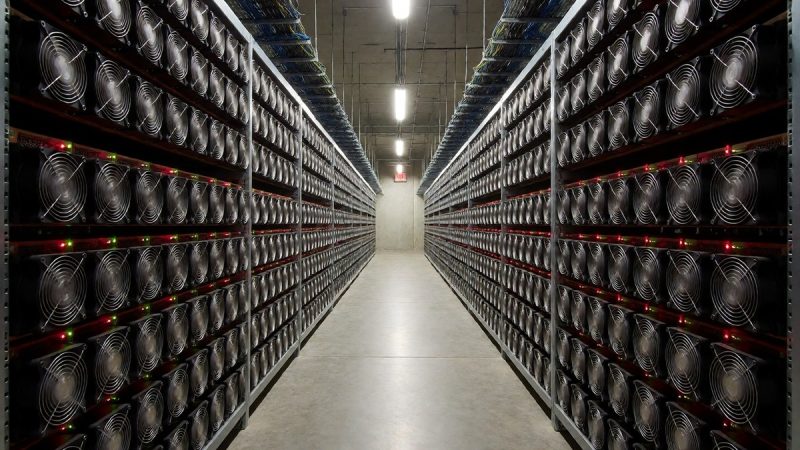
Mining consumes large amounts of electricity and attracts criticism regarding its environmental footprint. One report states that each Bitcoin transaction takes 1,173 KW hours of electricity, an amount of energy that can power the typical American home for six weeks. The annual energy required by Bitcoin exceeds the annual hourly energy usage of Finland, which has a population of 5.5 million. Current estimates suggest that Bitcoin’s use of renewable energy spans between 40% and 75%. Critics claim that increasing renewable usage for mining takes solar sources away from hospitals, factories, or homes. The Bitcoin mining community says that expanding mining helps lead to the construction of new solar and wind farms. Politicians and tech figures have discussed the future of crypto mining in U.S. congressional hearings, specifically regarding fossil fuel consumption. Leaders also discussed the coal-to-crypto trend, particularly the number of coal plants in New York and Pennsylvania being repurposed into mining farms.
The linguistic history of runes
The term rune comes from the Proto-Germanic form *runo, which translates to "secret" or "mystery." Runes are letters in a set of related alphabets known as rune-rows. The three best-known alphabets are the Elder Futhark, the Anglo-Saxon Futhorc, and the Younger Futhark. The Younger Futhark is divided into long-branch, short-branch, and stavlosa runes. The first aett of the Elder Futhark, ruled by Freyr and Freyja, is a group of runes that relate to the physical world. Fehu is abundance, while Uruz is strength and vital energy. Thurisaz is protection, and Ansuz is inspiration. Raidho is a journey, Kenaz is illumination, Gebo is a gift, and Wunjo is joy. The second aett, ruled by Mordgud and Heimdall, is a group of runes about change and the underworld. Hagalaz is destruction, Nauthiz is need, Isa is stagnation, Jera is harvest, and Eihwaz is transformation. Perthro is mystery and Algiz is protection. The third aett, ruled by Tyr and Ziza, is a group of runes about spirituality and emotions. Tyr is determination, Berkana is rebirth, Ehwaz is partnership, and Mannaz is humankind. What does the future hold for the integration of these ancient names in digital protocols?

Join the discussion