
Common mistakes with Fidelity’s FBTC tax-loss harvesting
Fidelity's FBTC grantor trust structure creates phantom gains through management fee sales that often report zero cost basis on 1099-B forms. Investors also risk losing tax deductions through wash sale traps if automatic dividend reinvestments occur in IRAs or other accounts.

The phantom gain problem
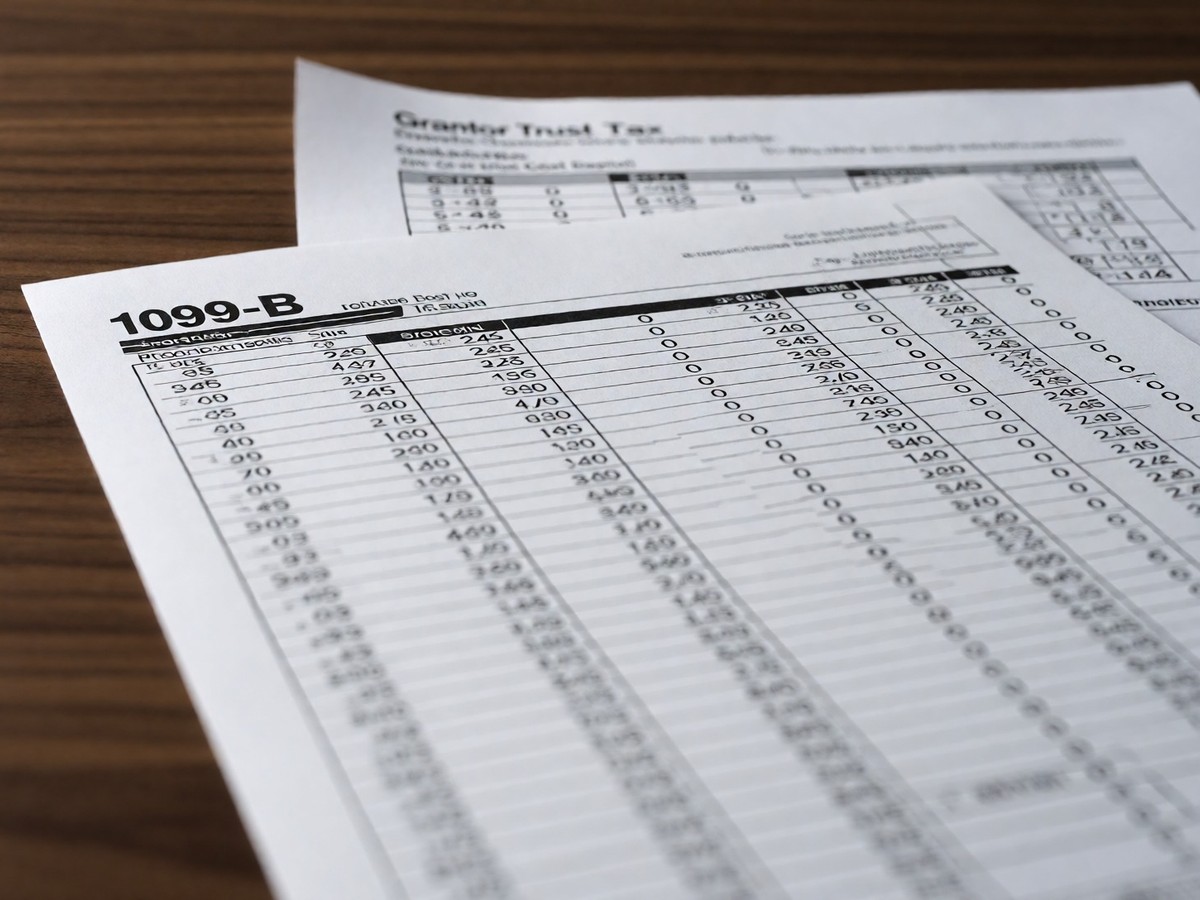
Fidelity’s FBTC is a grantor trust, so the IRS treats you as the direct owner of a pro rata share of the Bitcoin. The trust is not a regulated investment company, so it lacks 40 Act investor protections. The trust sells Bitcoin to pay its 0.25% annual management fee. These "phantom expense sales" create taxable events on your 1099-B every year, even if you never trade your shares. Brokers often report the proceeds from these sales with a zero cost basis. This error leads to an overstatement of your gains. You must download the grantor trust tax information letter from Fidelity to calculate the correct per-share basis for these monthly sales. The fund’s tax letter provides per-share tables of Bitcoin quantities sold and proceeds. This mismatch between the broker 1099-B and your actual basis creates unnecessary tax liabilities.
The wash sale trap
The wash sale rule applies to FBTC because it is a security, but it does not apply to direct Bitcoin holdings. If you sell FBTC at a loss and buy it back within 30 days, the IRS disallows your deduction. This rule is a trap for investors who use automatic dividend reinvestment programs. I watched a 66-year-old retiree in Pennsylvania lose $2,430 in expected tax savings because her IRA executed a scheduled automatic dividend reinvestment in her position just two weeks after she sold the shares to harvest a loss. She had a $1.1 million brokerage account and needed $55,000 in annual income. To meet that goal with a 3.5% yield, she needed $1,571,000 in capital. She sold $300,000 of a position at a $90,000 loss, but the $9,000 repurchase in her IRA disallowed 10% of that harvest. Her combined tax rate of 27% meant the disallowed $9,000 portion erased $2,430 in savings. You already know the basics of capital gains, but you must check every account for automatic purchases before the end of the year. Wash sale aggregation covers your IRAs, 401(k)s, and your spouse’s accounts. You must turn off DRIP on any fund you intend to harvest in every account.
Swapping between issuers
A different strategy avoids this problem by swapping between different issuers. You can sell IBIT and immediately buy FBTC to maintain your Bitcoin exposure. These funds have different CUSIPs and different custodians. This swap does not trigger the wash sale rule. I would suggest this method to preserve your market position while securing a tax deduction. You can swap between IBIT, FBTC, ARKB, or BITB without issue. You can even move from GBTC to IBIT to save on the 1.50% management fee. Swapping between different issuers like BlackRock and Fidelity provides the necessary legal distance to avoid the IRS penalty.
| ETF Name | Management Fee |
|---|---|
| FBTC | 0.25% |
| IBIT | 0.25% |
| ARKB | 0.21% |
| BITB | 0.20% |
| GBTC | 1.50% |
However, Senate Bill 2026 targets this exact strategy. This bill seeks to extend wash-sale rules to all widely traded digital assets. Senator Steve Daines introduced the bill, which could include a retroactive element to prevent traders from front-running the rule change. This legislation would force traders to wait 31 days or accept a higher tax bill. Will the Senate Finance Committee pass this bill before the next tax season?
Join the discussion