
El Salvador Bitcoin Reserve: $600M Gap and IMF Compliance
El Salvador's Bitcoin reserve holds 7,798 BTC valued over $640 million, yet the government has paused daily purchases to comply with IMF terms. This halt creates a $600 million valuation gap, while private entities like Bitfinex continue tokenized bond activities under new regulations.

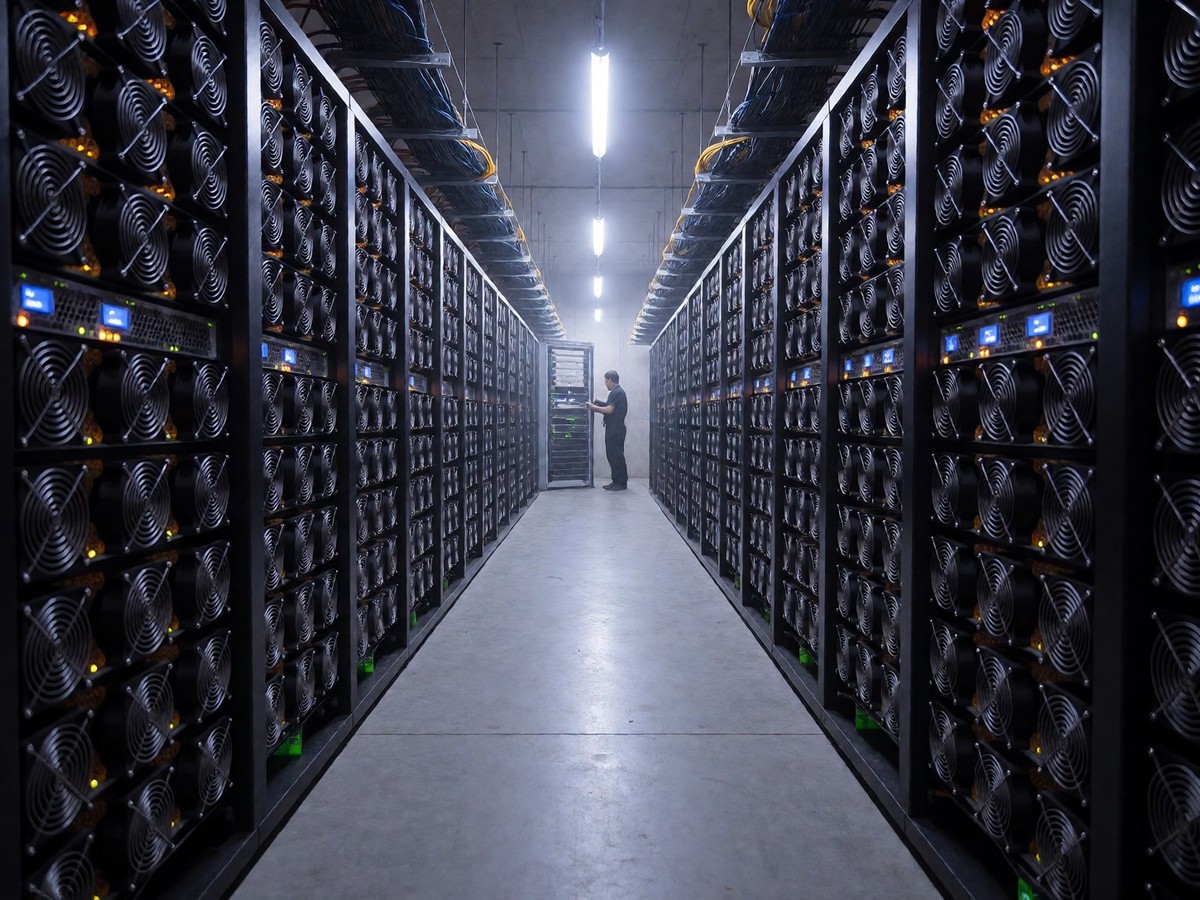
El Salvador’s national Bitcoin reserve now holds 7,798 BTC, a total valuation exceeding $640 million that includes an unrealized profit of $167.82 million over the average acquisition cost. I find this figure misleading because it masks a fundamental disconnect between the government’s public rhetoric and its actual financial behavior under international oversight. The administration claims to maintain a disciplined "one Bitcoin a day" purchase cadence, yet the International Monetary Fund’s compliance reports reveal a different reality. Since February 2025, the state has not purchased new coins from open markets, meaning the recent increases in the Strategic Bitcoin Reserve Fund result solely from consolidating existing holdings across various government-controlled wallets. This technicality allows the treasury to report growth without violating the $1.4 billion Extended Fund Facility terms, which explicitly state that no further accumulation is envisaged beyond documented donations. The discrepancy is stark: while President Nayib Bukele publicly insists that daily buying continues regardless of lender conditions, blockchain analytics firm Arkham traces these transfers to exchanges like Binance or Bitfinex rather than fresh market orders. You likely know the basic legal tender history, but this accounting maneuver is where the real friction lies.
Compliance Versus Reality
The IMF granted waivers for missed performance criteria regarding Bitcoin accumulation, authorizing an immediate disbursement of SDR 101.96 million, approximately $138 million, after completing the second and third reviews of the lending program. Dan Katz, the IMF’s First Deputy Managing Director, emphasized that the state’s involvement in Bitcoin-related activities is being unwound as regulations are enhanced, specifically noting the transfer of majority ownership of the Chivo wallet to a private operator. Despite this structural shift, the government retains a minority stake and custodial responsibilities for customer assets, creating a residual exposure that the fund demands be fully resolved. The letter of intent signed by central bank president Douglas Pablo Rodriguez Fuentes and finance minister Jerson Rogelio Posada Molina prohibits the public sector from issuing or guaranteeing any type of Bitcoin-indexed debt or tokenized instruments. This restriction directly impacts the emerging digital asset ecosystem, where Bitfinex Securities operates as a regulated venue licensed in both Kazakhstan and El Salvador. On October 22, 2026, CMCC Global launched the first tokenised fund-of-funds under El Salvador’s Digital Asset Framework, partnering with Tether to issue units of its Crest and Liberty Bitcoin Accumulation Funds on the Hadron platform. BTCS S.A., a Warsaw- and Frankfurt-listed company, serves as the anchor investor for these offerings, allocating an undisclosed triple-digit bitcoin amount. While the IMF focuses on limiting direct state participation, the private sector continues to build complex structures around the asset, raising questions about whether the regulatory framework effectively isolates public fiscal risk from private speculation.
| Metric | Value |
|---|---|
| Total BTC Holdings | 7,798 BTC |
| Current Valuation | >$640 million |
| Unrealized Profit | $167.82 million |
| IMF Disbursement | $138 million |
| Global Ranking | 5th Largest |
Join the discussion