
IBIT Redemption Risks Amid AP Entry and Fee Wars
BlackRock's IBIT faces structural risks from its November 2026 in-kind redemption push, highlighted by a $771 million realized loss in Q2 2026.

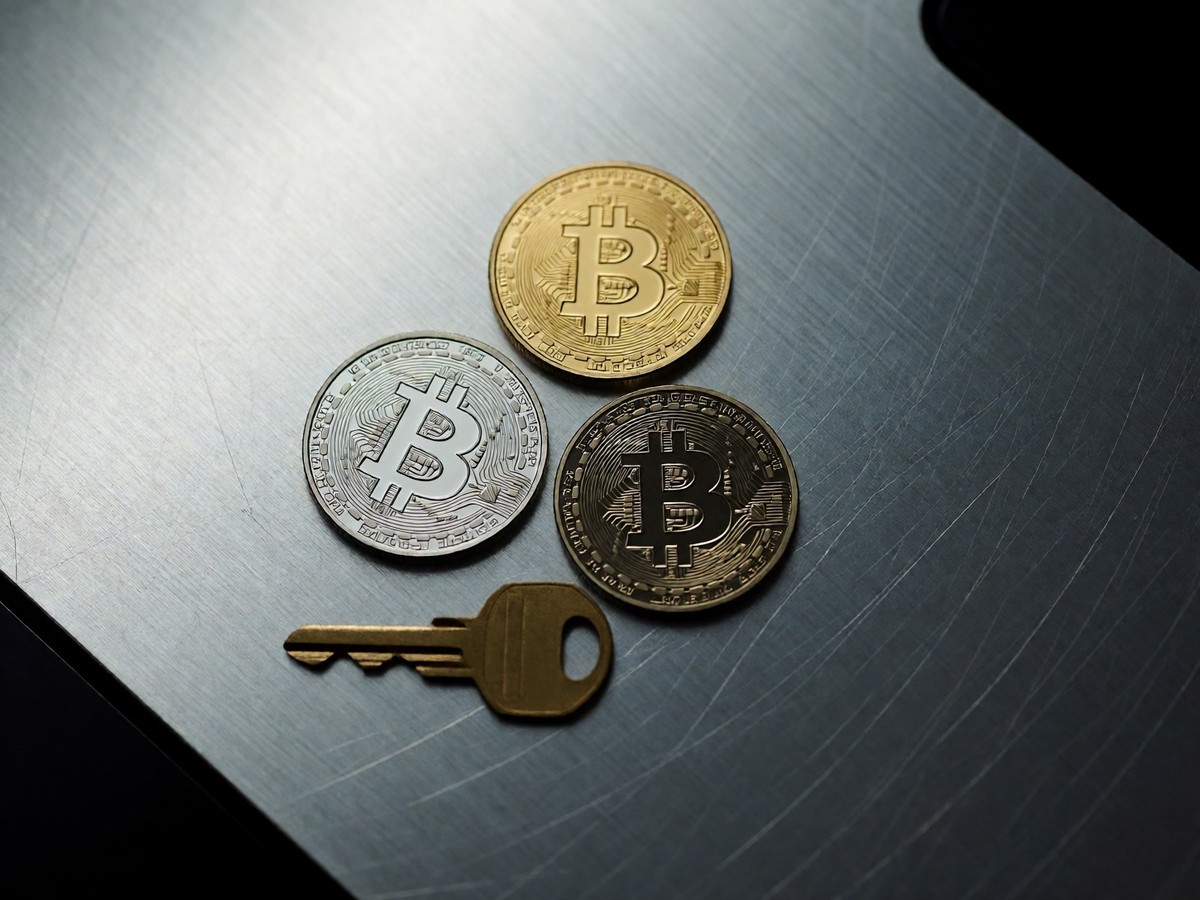
BlackRock’s iShares Bitcoin Trust (IBIT) recorded $136.6 million in weekly inflows, yet the fund faces structural headwinds from its November 2026 in-kind redemption push. The SEC authorized these mechanisms last summer, allowing investors to swap cryptocurrency for ETF shares without triggering a capital-gains event. However, BlackRock’s risk factors warn that limited ability to do in-kind "could result in the exchange-traded product arbitrage mechanism failing to function as efficiently as it otherwise would." This warning carries weight because IBIT booked a realized loss of $771,263,116 on $3.85 billion of in-kind redemptions in the June 2026 quarter. The tax efficiency often cited for these transactions is misleading; grantor trusts like IBIT book realized gains and losses on in-kind redemptions anyway, so the primary benefit is removing a trading step and spread from the fund’s side. You already know the basics of NAV tracking, but this specific accounting quirk determines whether your return holds up during heavy outflows.
Goldman Sachs Entry and Fidelity’s Fee Structure
Goldman Sachs agreed to acquire Innovator Capital Management for about $2 billion, adding roughly $28 billion in assets under supervision to its asset-management arm. The deal closes in the second quarter of 2026 and expands Goldman’s lineup of defined-outcome ETFs, including products that use FLEX options tied to Bitcoin ETFs. Meanwhile, Fidelity’s FBTC maintains a competitive edge with a zero-fee waiver that extended until July 31, 2024, before shifting to a standard 0.25% expense ratio. In contrast, Grayscale’s GBTC charges a 1.50% fee, which significantly erodes shareholder returns compared to passive benchmarks.
| Fund | Expense Ratio | Key Structural Feature |
|---|---|---|
| IBIT | 0.12% (waived) | In-kind min: $1M |
| FBTC | 0.25% | Zero-fee waiver history |
| GBTC | 1.50% | Cash-only redemptions |
The entry of new players intensifies competition for institutional flows. IBIT’s minimum conversion size dropped to $1 million in July, down from $25 million when the process first became available. Bitwise reduced its minimum to $3 million, while Morgan Stanley reports in-kind conversions represent 5% to 7% of its holdings. These lower thresholds make the mechanism more accessible, but they also increase the frequency of large block trades. A recent $1.26 billion sale of IBIT executed at a 2.3% discount suggests sellers prioritize speed over price, potentially destabilizing the bid-ask spread during volatile sessions.
Premium Discount Dynamics and Liquidity Constraints
GBTC still runs on cash orders because its prospectus states the trust is "not at this time able to create and redeem shares via in-kind transactions." This limitation forces the trust to sell coins directly, creating market impact that wider funds avoid. Before its conversion, GBTC traded at an average discount of 25%, but working arbitrage closed that gap to 0.02% within five weeks of the switch. Today, IBIT trades within half a percent of NAV on 90.3% of days in the second quarter of 2026, showing the machinery works well when liquidity is deep. Yet, thin funds like Valkyrie’s BRRR printed flows on only two of 90 trading sessions, indicating net demand rarely reached the required basket size.
The concentration of authorized participants remains a hidden risk. Jane Street and Virtu appear in every available list, meaning the category’s arbitrage rests on a handful of balance sheets. If one desk steps away due to compliance limits or capital constraints, spreads widen immediately. With IBIT options open interest hitting $27.61 billion in April 2026, dealer hedging activity is massive. A significant cluster of institutional expiries could trigger a "max pain" scenario where prices are driven toward concentrated put strikes. Does the current AP structure provide enough redundancy to absorb such shocks without breaking the tight pricing we see today?
Join the discussion