
November 2026 Bitcoin Mining Energy Race
The Bitmain Antminer S23 XP at 200 TH/s drives the current efficiency race, forcing operators to recalculate power costs.

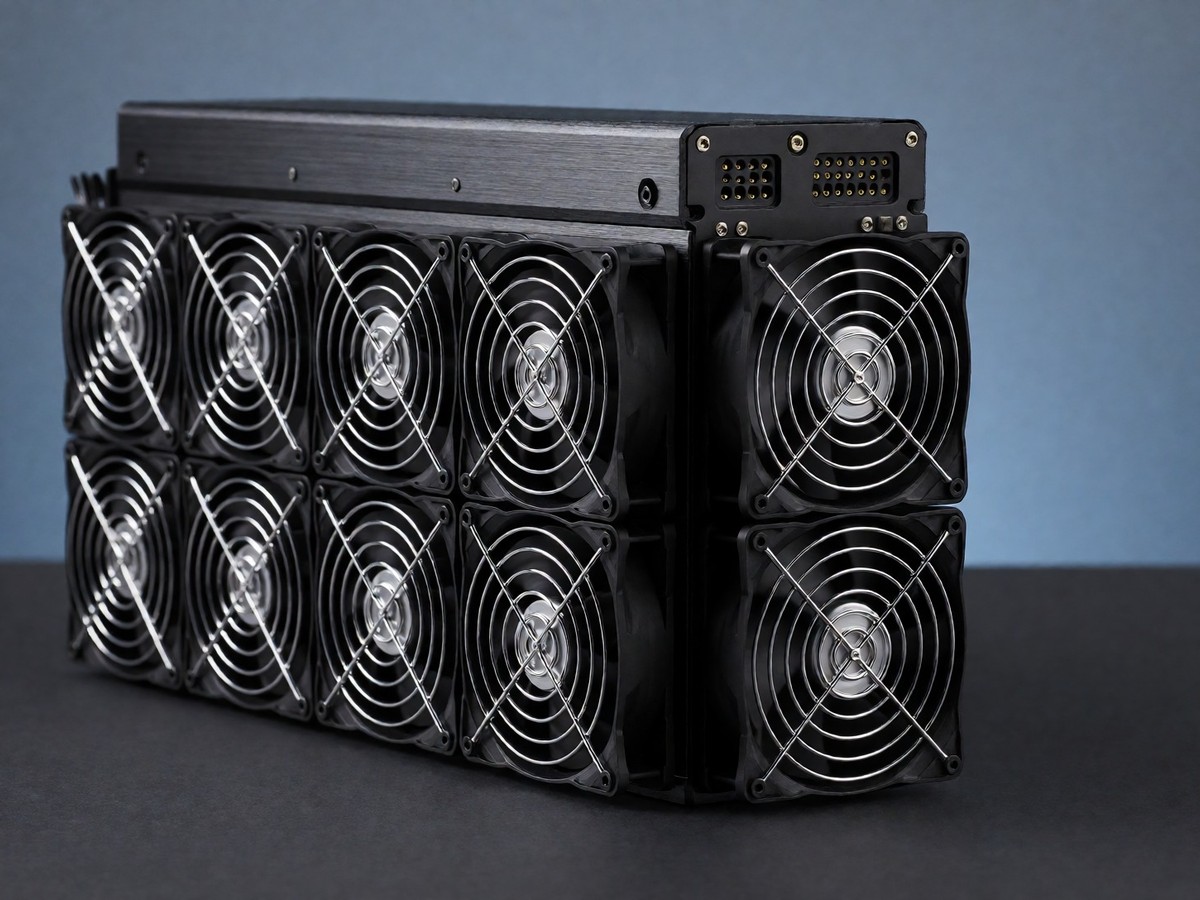
The Bitmain Antminer S23 XP, released at 200 TH/s, now anchors the hardware efficiency debate. This specific model drives the current "ASIC energy efficiency race" because it forces operators to recalculate their power costs immediately. I see no other machine matching its throughput per watt in this cycle. The release coincides with a sharp divide in how miners source electricity. Foundry USA has adopted a strict renewable power mandate for its new facilities. This policy directly opposes the thermal constraints facing MicroStrategy’s data centers. Those constraints limit cooling capacity and force a different operational strategy. Marathon Digital’s Abu Dhabi joint venture adds another layer of complexity to this mix. It targets a market where ambient temperatures differ drastically from North American sites. The interplay between these three distinct approaches defines the current landscape. No single operator can ignore the others’ moves without risking margin erosion. The gap between renewable-sourced and fossil-fuel-sourced mining is widening rapidly.
| Operator | Primary Constraint | Strategy Focus |
|---|---|---|
| Foundry USA | Renewable Mandate | Solar/Wind Integration |
| MicroStrategy | Thermal Limits | Cooling Efficiency |
| Marathon Digital | Geographic Expansion | Abu Dhabi JV |
I find the Foundry USA approach most compelling for long-term stability. Their commitment to renewable sources aligns with the broader industry trend toward sustainability. Estimates suggest Bitcoin’s use of renewable energy spans anywhere from 40% to 75%. This range provides a buffer against regulatory shifts. Critics argue that increasing this percentage takes solar capacity away from hospitals and factories. That concern is valid but often exaggerated by those who ignore the expansion of new wind farms. The Bitcoin mining community argues that demand drives construction of new infrastructure. I agree with this point. Without large-scale industrial demand, utility-scale solar projects struggle to justify capital expenditure. The "coal-to-crypto" trend in New York and Pennsylvania shows this dynamic clearly. Repurposed plants provide stable baseload power while grids transition. However, relying on repurposed coal plants carries reputational risk. Investors are increasingly wary of any association with fossil fuels. This pressure pushes operators like Foundry USA toward pure renewable contracts. They accept higher upfront costs to secure cleaner supply chains.
MicroStrategy faces a different set of physical limits. Their data centers operate under severe thermal constraints. These constraints dictate how many high-power ASICs they can deploy in a given space. The Antminer S23 XP generates significant heat. Managing that heat without exceeding cooling capacity requires precise engineering. I would skip any deployment plan that ignores thermal headroom. A minor miscalculation can lead to throttled performance or hardware failure. The cost of downtime far exceeds the savings from aggressive density packing. Operators must balance hash rate with thermal output. This is not a trivial task. It requires real-time monitoring and adaptive cooling systems. The complexity here is higher than in greenfield renewable sites. You cannot simply add more machines if the air handling units reach their limit. This creates a ceiling on scaling potential for existing facilities. Expansion requires new construction or major retrofitting. Both options carry significant capital expenditure requirements.
Marathon Digital’s move into Abu Dhabi represents a geographic hedge. The joint venture leverages lower energy costs in the region. However, the reality of operating in such an environment involves managing extreme ambient temperatures. Cooling efficiency drops as outside temperatures rise. This can negate some of the energy cost advantages. I question whether the projected margins hold up during peak summer months. The data on actual operational efficiency in these conditions remains scarce. We need more transparent reporting from operators in similar climates. Until then, the Abu Dhabi model remains a theoretical advantage rather than a proven one. The question of whether geographic arbitrage outweighs thermal inefficiency stays open.



Join the discussion