
Milei’s economic roadmap and Bitcoin’s role in Argentina
Argentina's Milei administration achieved fiscal balance and reduced inflation to 55.9% by March 2025 through structural reforms. Decentralized assets like Bitcoin offer a fixed-supply alternative to central systems as the country navigates shifts in its economic roadmap.

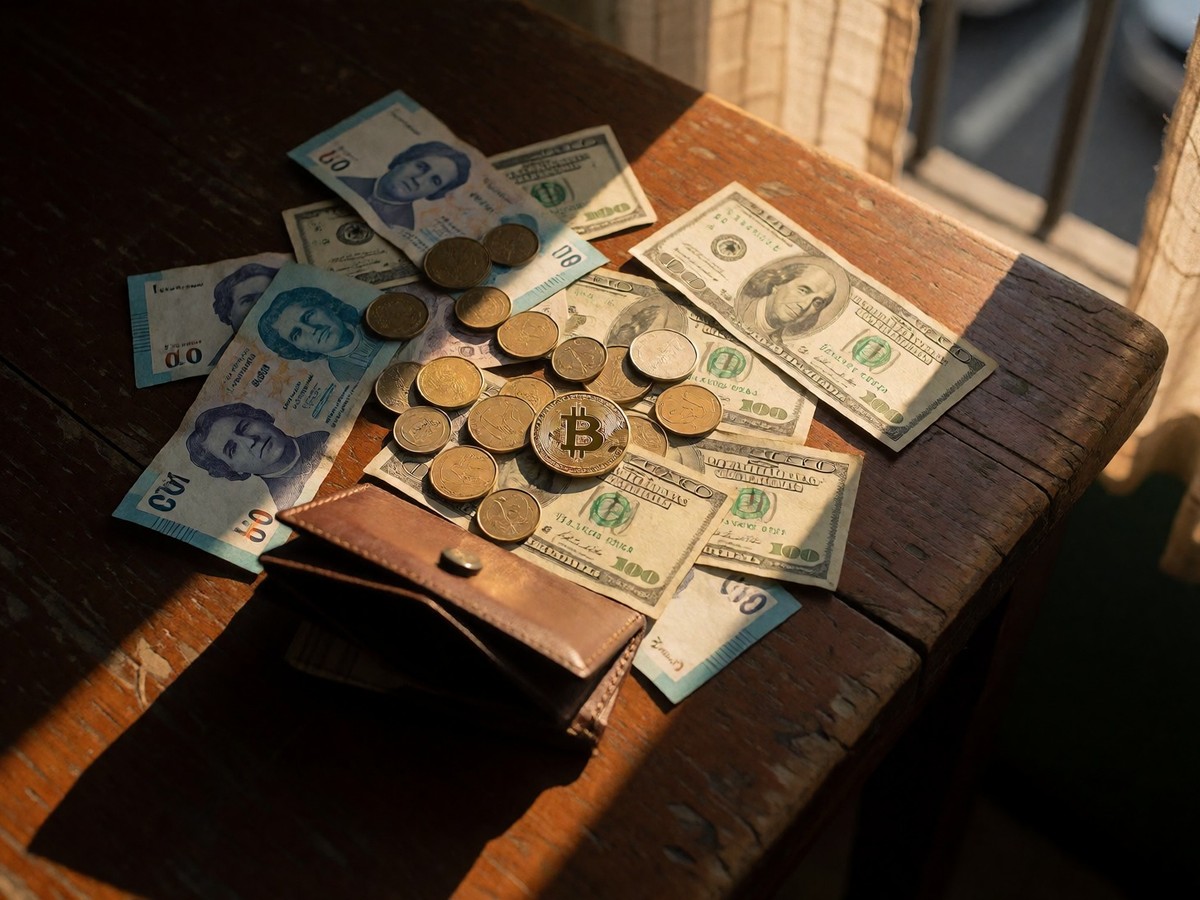
Milei’s "new economic roadmap" drives Argentina toward fiscal balance through labor, tax, and pension overhauls. The administration secured 40.6% of the vote in the October 2025 midterm elections, which provided the necessary political mandate to proceed with labor, tax, and pension overhauls. I see a government determined to simplify the tax burden and protect private property. After the 2025 victory, the administration aims to formalize informal work and implement radical spending cuts while protecting private property through a new economic roadmap for the country. The administration cut 52,000 public sector positions and reduced provincial funding by 67% in 2024, attempting to maintain fiscal balance through the president’s proposed structural reforms and sweeping spending cuts. Inflation fell from 300% in May 2024 to 55.9% in March 2025, with monthly inflation hitting a five-year low of 2.2% in January. This shift follows the 200% inflation rate present at the start of the presidency. Although the economy shrank in early 2024, it grew 3.9% in the third quarter as agriculture rebounded by 80.2%. The Argentine peso strengthened 44.2% against the US dollar, which boosted average wages in dollar terms to $990. While poverty reached 57% in early 2024, it fell to 38.1% by the third quarter. Real wages fell by more than 20% at the start of the presidency before rebounding back to November 2023 levels. Under his watch, Argentina exited the deficit for the first time in 123 years.
Bitcoin functions and technical properties
Bitcoin is the world’s most traded cryptocurrency and functions through peer-to-peer technology with no central authority or banks. The public design means nobody owns or controls the network. This decentralized structure allows users to transfer value directly between participants. Because the protocol limits the total supply to 21 million BTC, the asset maintains a fixed scarcity. Satoshi Nakamoto presented the idea in a 2008 whitepaper, and the network became operational in January 2009.
| Bitcoin Technical Specs | Data |
|---|---|
| Total Supply Cap | 21,000,000 BTC |
| Circulating Supply | Over 20,100,000 BTC |
| Electricity per Transaction | 1,173 KW hours |
| Renewable Energy Usage | 40% to 75% |
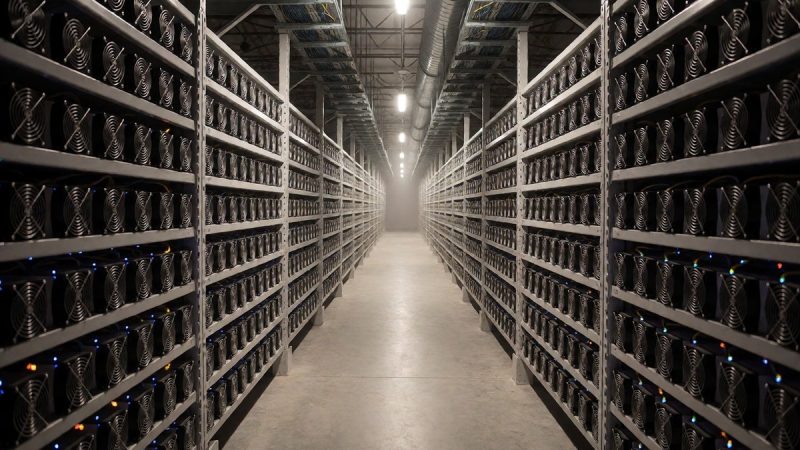
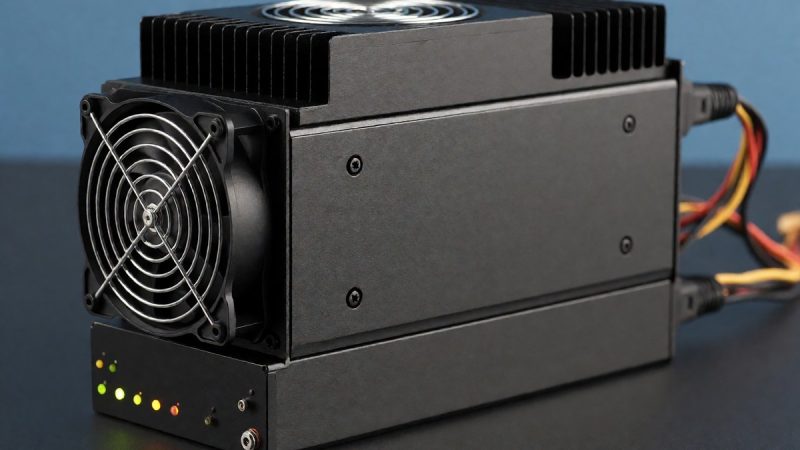
You know that decentralized assets provide an alternative when central systems face volatility. Users can divide one BTC into 100 million smaller units called satoshis. Currently, over 20.1 million bitcoins are in circulation. The market value follows buying and selling activity across global cryptocurrency markets. I find that the complex validation process creates a more secure transaction system. The network relies on a proof-of-work system where miners use computing resources to verify transactions. Miners receive transaction fees and newly issued BTC for supporting the network. This programmed halving occurs after every 210,000 blocks. The most recent halving occurred in April 2024, and the current price is $60,688.75.
Energy usage and environmental impact
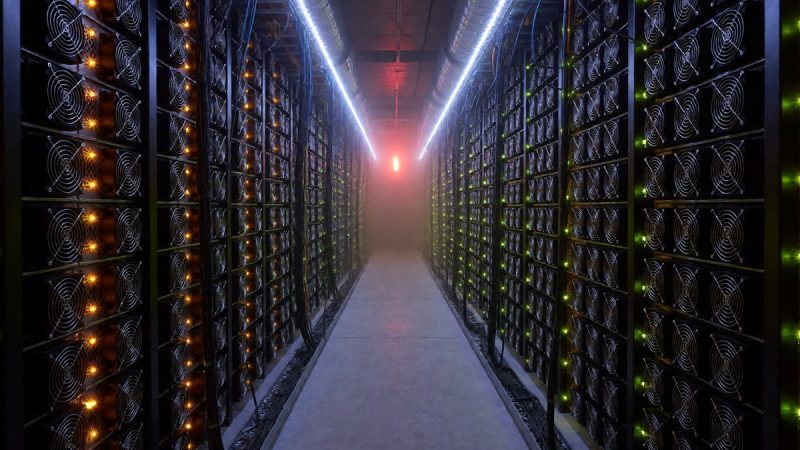
Environmental concerns regarding Bitcoin energy usage persist. One report states that each Bitcoin transaction takes 1,173 KW hours of electricity. This amount of energy can power a typical American home for six weeks. I find the argument that gold and banking sectors consume twice the energy of Bitcoin quite compelling. However, critics claim that increasing renewable energy usage for mining takes solar power away from hospitals and homes. Miners currently use renewable energy for 40% to 75% of their operations. In May 2021, Elon Musk stated that Tesla would no longer accept the cryptocurrency because of its environmental footprint. Proponents note that calculating the carbon footprint of a payment system like Visa fails to account for the energy needed to print money or power ATMs. Will the next halving in 2028 alter the economic math for Argentinian users? The Bitcoin mining community also says the expansion of mining helps lead to the construction of new solar and wind farms in the future.

Join the discussion