
Marathon Digital Bitcoin mining margin risks after hash rate highs
MARA Holdings reported $164.2 million in Q3 revenue, a 35% decline, while net income hit $632.1 million due to unrealized gains. Operational margins face pressure from a 37% drop in Bitcoin price realization and rising energy costs, despite a pivot toward AI infrastructure.

MARA Holdings reported third-quarter revenue of $164.2 million, a 35% drop from the prior year, even as net income surged to $632.1 million. This profit spike came entirely from an $885.3 million unrealized gain on digital assets, not from mining operations. The core business saw its average Bitcoin price realization fall by 37%, which wiped out the benefit of higher production. I view this divergence as the primary risk: headline profits are decoupled from operational reality, leaving the actual mining margin exposed to severe volatility.
Difficulty floors and hashprice compression
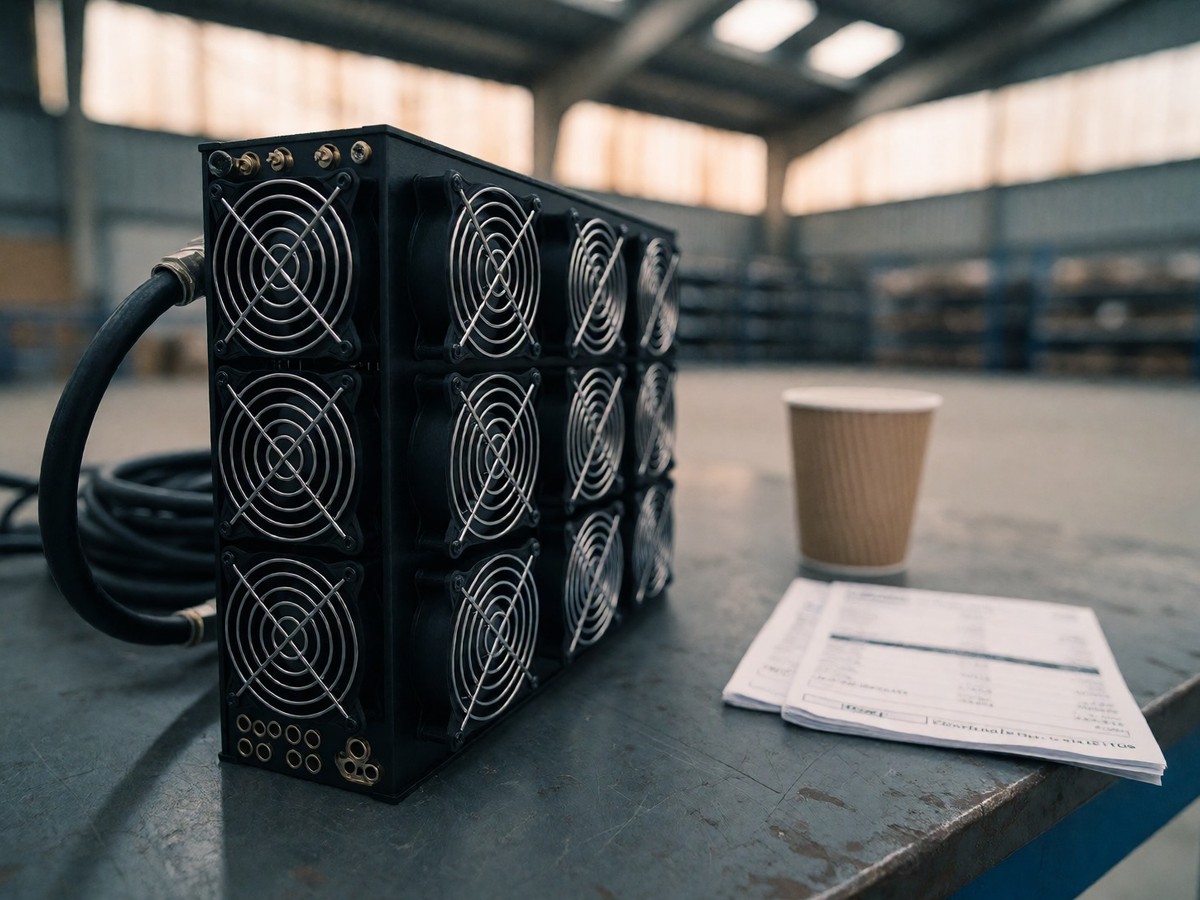
Bitcoin difficulty sits at 125.81 trillion, just 0.7% above its 2026 low. Miners have recorded ten difficulty drops against only seven increases this year, indicating that network power is shrinking rather than growing. Roughly 150 EH/s of effective mining power has disappeared from the network, yet this reduction does not guarantee profitability for operators like MARA. The hashprice, or revenue per unit of computing power, remains under intense pressure. In July, it hovered around $29/PH/s/day, a level reminiscent of the post-COVID crash era. Older ASICs need electricity below $0.055/kWh to break even, while newer models like the S23 Hydro require rates under $0.124/kWh. If energy costs rise even slightly, these thin margins vanish instantly.
| Metric | Value |
|---|---|
| Current Difficulty | 125.81 trillion |
| Gap to 2026 Low | 0.7% |
| Sidelined Hashrate | ~150 EH/s |
| Q3 Revenue | $164.2 million |
| Q3 Net Income | $632.1 million |
The rebound in hashprice over the last four days climbed 20.41%, but this recovery looks fragile. Bitcoin still trades 38.8% below its October 2025 all-time high, keeping economics tight. If sidelined miners rejoin the network, the difficulty discount evaporates quickly. For now, another shakeout seems more likely than sustainable stability. You already know the basics of halving cycles, so focus on the energy cost floor instead of price speculation.
Operational exposure and capital allocation
MARA’s energized hashrate rose 18% to 71.2 EH/s, driven by efficiency gains. However, purchased energy cost per BTC increased 12% to $40,047 in the first quarter of 2026. Operating and maintenance costs jumped 55% to $30.6 million, showing that scale brings significant overhead. The company sold 13,597 Bitcoin for approximately $1.1 billion after the quarter closed, using the proceeds to repay $750 million in Bitcoin-backed debt. This move reduced pledged collateral to less than 5% of total holdings, which is a clear win for balance sheet health. Yet, it also signals a shift away from holding mined coins for long-term appreciation.
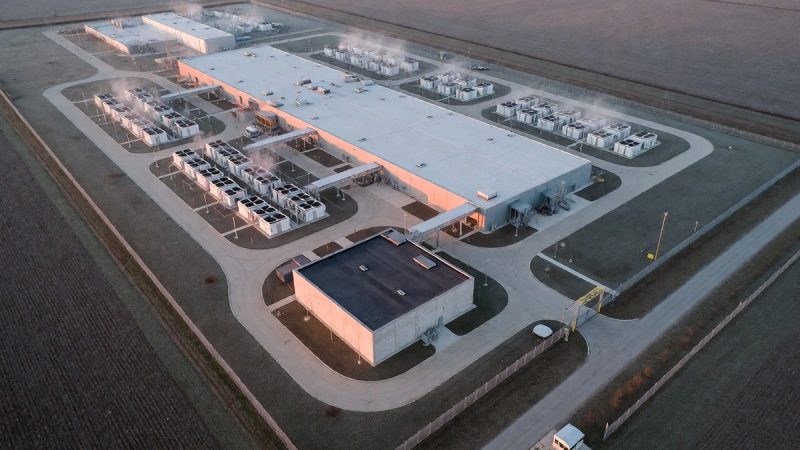
MARA is pivoting toward AI and high-performance computing infrastructure, with a potential portfolio capacity of ~4.8 GW. The Long Ridge acquisition adds 485 MW of natural gas capacity, and the Matagorda County site offers up to 2 GW of grid-connected access. These projects aim to diversify revenue beyond volatile mining rewards. Exaion, a majority-owned subsidiary, signed a four-year, $79 million GPU-as-a-service contract with take-or-pay terms. This deal provides stable income that does not move in lockstep with Bitcoin prices. Still, the transition carries execution risk. Data center lease signings may slip into next year, and the market is becoming selective about how AI infrastructure is financed. Can MARA successfully convert its mining sites into profitable data centers before the current bearish trend forces further asset sales?



Join the discussion