
Tether’s Bitcoin Reserve Strategy Explained After Q3 2026
Tether's Q3 2026 report shows a reserve buffer doubling to $7.95 billion, driven by $1.5 billion in net operating profit. The issuer holds $5.80 billion in Bitcoin and plans to buy more monthly, balancing yield against the volatility risks of non-cash assets.

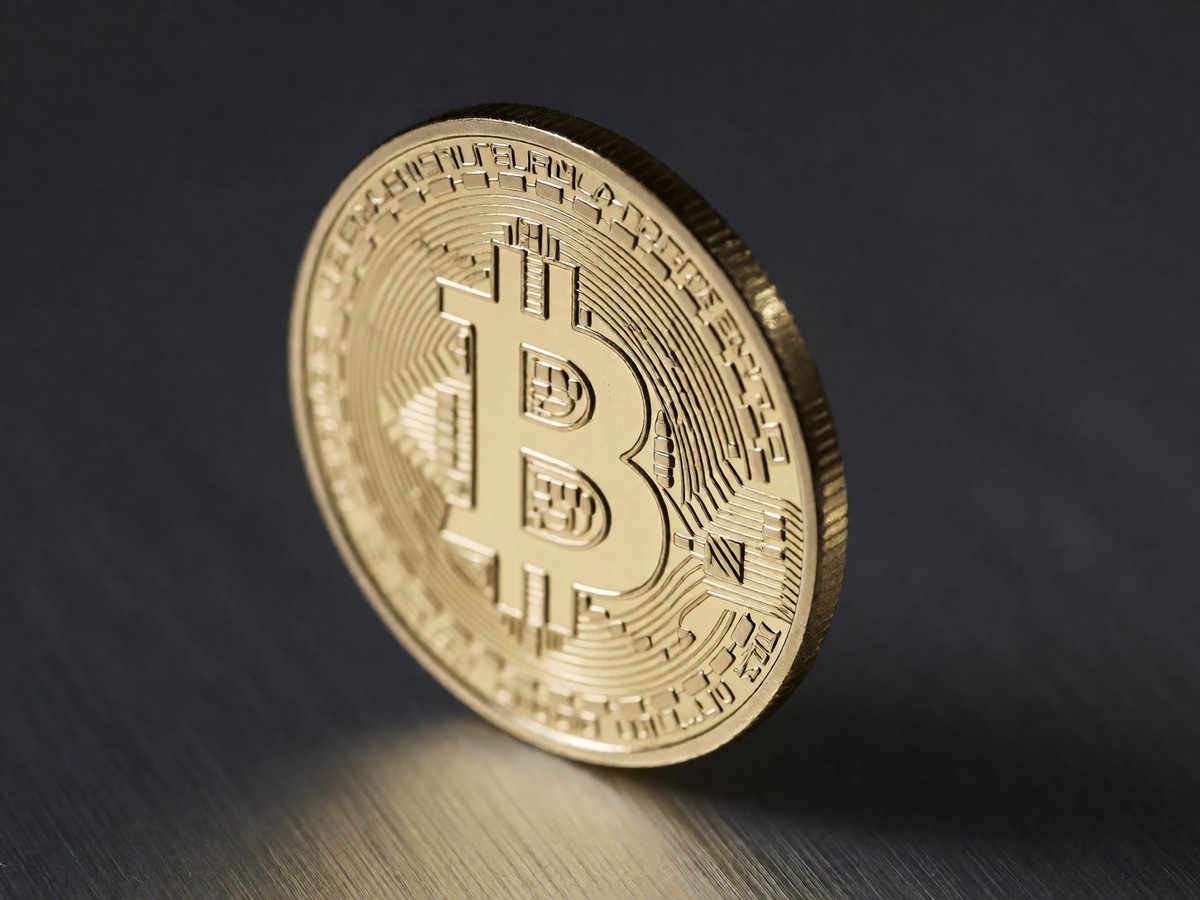
Tether’s third-quarter 2026 attestation reveals a reserve buffer that nearly doubled to $7.95 billion, reversing the sharp contraction seen in mid-year. The company reported $1.5 billion in net operating profit, bringing its total earnings for the first nine months of 2026 to $4.5 billion. This financial recovery occurred while USDT issuance held steady at approximately $184 billion, demonstrating stable demand despite broader market volatility. The report confirms that direct and indirect holdings of U.S. Treasury bills reached $132.4 billion, forming the liquidity core of the issuer’s balance sheet. CEO Paolo Ardoino emphasized that this profit alongside nearly $8 billion in excess reserves provides a strong base for maintaining USDT dependability when financial systems face pressure.
The Volatility of Non-Cash Reserves
The strategy clearly prioritizes diversification into assets like gold and Bitcoin to generate higher returns than Treasuries alone can provide. However, this approach introduces mark-to-market volatility that directly impacts the safety margin. In the second quarter of 2026, the excess reserve buffer halved from a record $8.23 billion to $4.11 billion because gold and Bitcoin positions lost roughly $2.4 billion in value over three months. Gold holdings stood at more than 146 metric tons valued at $18.84 billion, while Bitcoin holdings were worth $5.80 billion or about 98,900 coins at the end of June. The BDO-prepared attestation confirmed these figures but did not itemize where the remaining surplus decline went, leaving a gap in transparency that critics have long noted. A full independent audit by KPMG is pending, which would finally allow outsiders to trace these swings with precision.
| Asset Class | Value (June 30, 2026) | Share of Reserves |
|---|---|---|
| U.S. Treasury Bills | $132.4B | ~70% |
| Gold | $18.84B | ~10% |
| Bitcoin | $5.80B | ~3.1% |
| Secured Loans | $13.45B | ~7.2% |
You already know that USDC relies solely on cash and short-dated Treasuries, so you understand why Tether’s mixed portfolio behaves differently under stress. The current structure delivers upside in favorable markets but thins the margin when crypto prices drop. Tether plans to use 15% of its net realized operating profits to purchase Bitcoin monthly, aiming to keep the digital asset as a strategic reserve. This policy aligns with the view that Bitcoin serves as a long-term store of value with limited supply. Yet, holding such volatile assets against a stablecoin peg creates a tension between yield generation and capital preservation. Whether this volatility is acceptable for backing an instrument of this size remains an open question for regulators and investors alike.

Join the discussion