
Riot Platforms earns millions via Texas grid curtailment
Riot Platforms earned $31.7 million in energy credits during the August 2026 heatwave by curtailing consumption to support the ERCOT grid. This revenue exceeded the $8.9 million value of the 1,587 bitcoin mined during the same period.

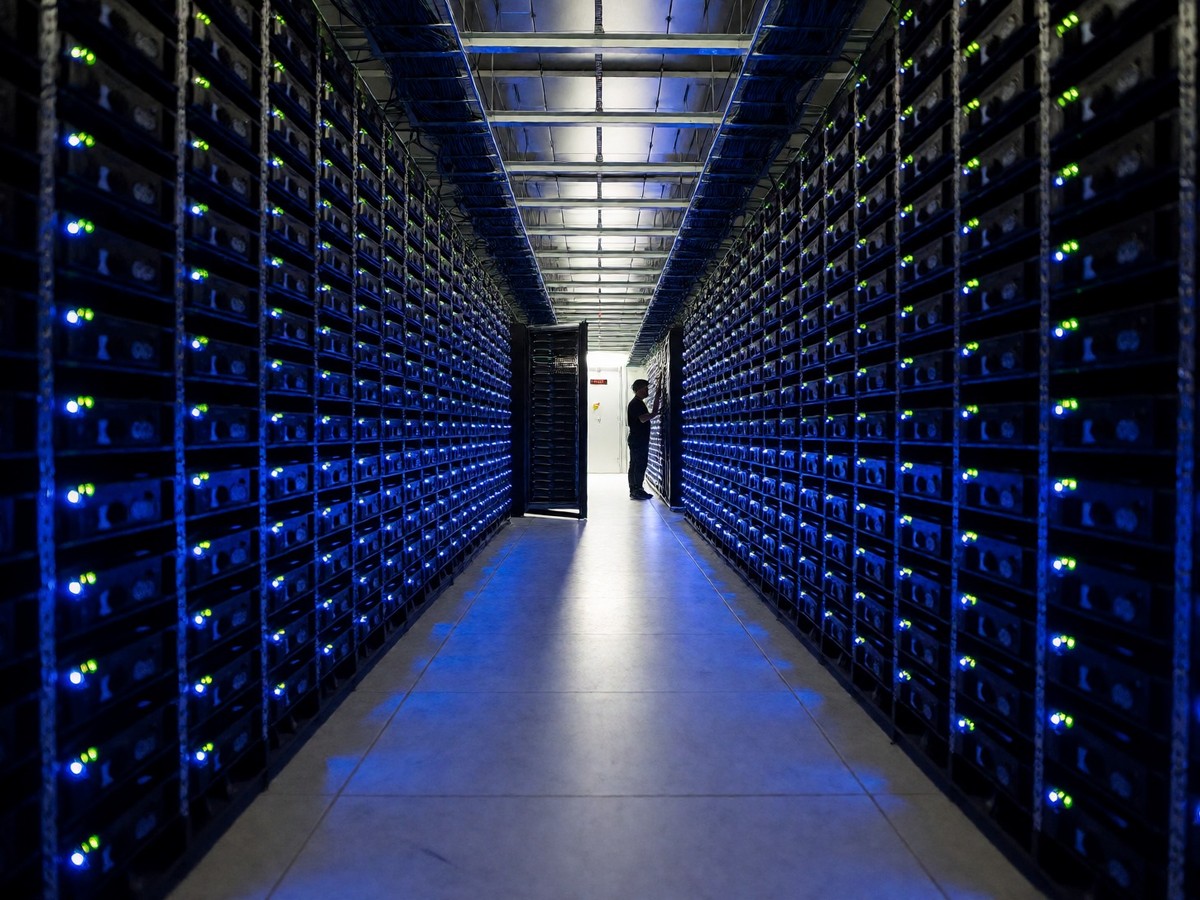
Riot Platforms earned $31.7 million in energy credits during the August 2026 heatwave by curtailing energy consumption in Texas. This amount far exceeds the $8.9 million value of the 1,587 bitcoin the company mined during that same month. The total credits comprise $24.2 million from energy sold back to the ERCOT grid and $7.4 million in demand response credits, which allowed the company to leverage its power position during the August heatwave. I find this strategy makes Riot a highly effective tool for grid stabilization when air conditioners run at full capacity. While the company reported a $237.17 million net loss for the second quarter of 2026, these energy credits help mitigate the high costs of bitcoin mining. The loss includes $27.97 million in impairment charges, $75 million in mark-to-market losses, and $98 million in depreciation. You should recognize that Riot’s ability to power down in under 60 seconds provides ERCOT with a flexible resource that gas peaker plants cannot match. This flexibility prevents the need for expensive infrastructure investments like the $10 billion gas peaker plant project proposed by Berkshire Hathaway Energy. The direct cost to mine one bitcoin was $49,912 in the second quarter, which was higher than the $48,992 recorded in 2025. Higher power costs and Kentucky expansions drove this increase.
The pivot toward AI infrastructure provides a massive revenue stream that offsets volatile mining income. Riot signed a 20-year lease with a frontier AI lab for 191 MW of capacity at its Rockdale campus. This deal brings the total contracted capacity with two major AI ecosystem companies to 241 MW.
| Specification | Value |
|---|---|
| AI Lease Total Contract Value | $9.1 billion |
| AI Lease Term | 20 years |
| AI Capacity Leased | 191 MW |
| Total Contracted AI Capacity | 241 MW |
| AMD Contracted Capacity | 50 MW |
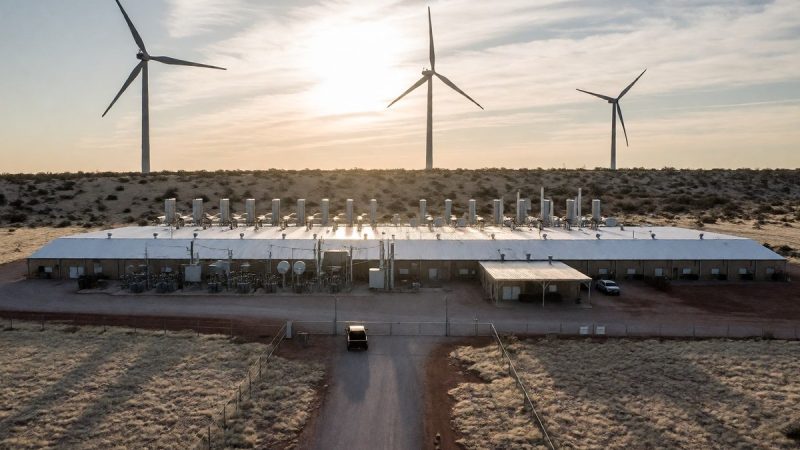
ERCOT uses demand response programs to pay miners to reduce power, preventing the grid from overstressing during extreme weather. Bitcoin miners use renewable energy such as wind and solar, which often produce excess power that the grid cannot handle. This flexibility helps bridge the gap between renewable availability and grid demand. Miners can shut down remotely in under 60 seconds to accommodate peak demand, which allows the grid to avoid blackouts. I find the expansion into AI infrastructure a logical step as Riot seeks to diversify its revenue beyond the $113.7 million in bitcoin mining revenue recorded in the second quarter. Morgan Stanley provided a $573 million interim financing facility to fund these initial development costs. The company already completed the delivery of 25 MW of capacity to AMD on time and on budget. Does the expansion into AI data centers eventually make bitcoin mining irrelevant for Riot?
The scale of these operations draws sharp criticism from environmental groups and local residents. Greenpeace claims that the Rockdale facility is the most energy and carbon-intensive bitcoin mine in the United States. This facility uses 450 MW of power, which equals the electricity usage of 300,000 homes. Residents report noise levels reaching 95 dB, which causes permanent hearing loss and disturbs local animals. I view the constant mechanical whir of cooling fans as a legitimate burden for communities like Granbury where families struggle with the noise. While miners argue they provide stability, local residents pay higher electricity bills and endure sweltering temperatures. Since 2021, approximately 30 companies have built 2,234 megawatts of bitcoin mining facilities in Texas, and Riot’s plan to build a 1-gigawatt facility in Corsicana could increase these tensions significantly. The city of Corsicana plans to sell up to 1.5 million gallons of water per day to Riot for this project. Engineering revenue reached $37.3 million in the second quarter, which is more than triple the $10.6 million from a year ago. This growth comes as the company seeks to manage the transition from pure bitcoin mining to large-scale data center development.


Join the discussion