
Running a Sui validator in the Mysticeti era
Mysticeti reduces consensus latency to 390 milliseconds on the Sui Testnet, improving efficiency for shared object transactions. While Sui offers a theoretical throughput of 297,000 TPS, hardware limitations and a 30M SUI staking requirement present challenges for new operators.

The Mysticeti protocol reduces consensus latency to 390 milliseconds on the Sui Testnet. This 80% reduction in latency improves the efficiency of shared object transactions, which include those used in marketplaces or collaborative games. Mysticeti replaces the older Narwhal and Bullshark algorithms. This advancement lowers the CPU demand for validators. Validators secure the network by processing transactions and participating in consensus. I recommend operating a node because the network handles tens of thousands of transactions per second with latencies well below one second. Validators earn rewards from gas fees and stake subsidies. The Sui Foundation manages stake distribution through the SUI Delegation Program. The Foundation uses its SUI treasury to support fair, distributed, and decentralized stake distribution. This Foundation reviews all stake decisions on a monthly cadence. This process uses data collected on validator performance throughout previous epochs. Validators use a tallying rule to monitor one another, and the network penalizes low scoring validators with reduced rewards. Validators with more SUI from the Sui Foundation should offer lower commissions. Validators must also be able to process transactions submitted from full nodes with minimal errors. Validators must also perform the sequencing of transactions that are proposed to consensus with low latency.
Sui and Aptos compete using different architectures. Aptos uses an account-based model with Block-STM to process transactions in parallel when they do not conflict. Sui uses an object-centric model that manages assets as individual objects. I find that Sui achieves a higher theoretical throughput of 297,000 transactions per second compared to the 160,000 theoretical capacity of Aptos. The Sui architecture uses Narwhal, a DAG-based mempool, and Bullshark, which prioritizes speed and scalability. Peer-to-peer transfers on Sui bypass consensus through a fast-path execution. Programmable transaction blocks can also use the consensus path for shared objects, which has higher latency. Mysticeti allows transaction processing faster than consensus within the same protocol.
| Metric | Sui (Mysticeti) | Aptos (Block-STM) |
|---|---|---|
| Theoretical TPS | 297,000 | 160,000 |
| Consensus Latency | 390 ms | Not specified |
| Staking Requirement | 30M SUI | Not specified |
Aptos leads in stablecoin liquidity and daily active wallets. Sui shows growing Total Value Locked. I observe that Sui developers use the Move language to build secure decentralized applications.
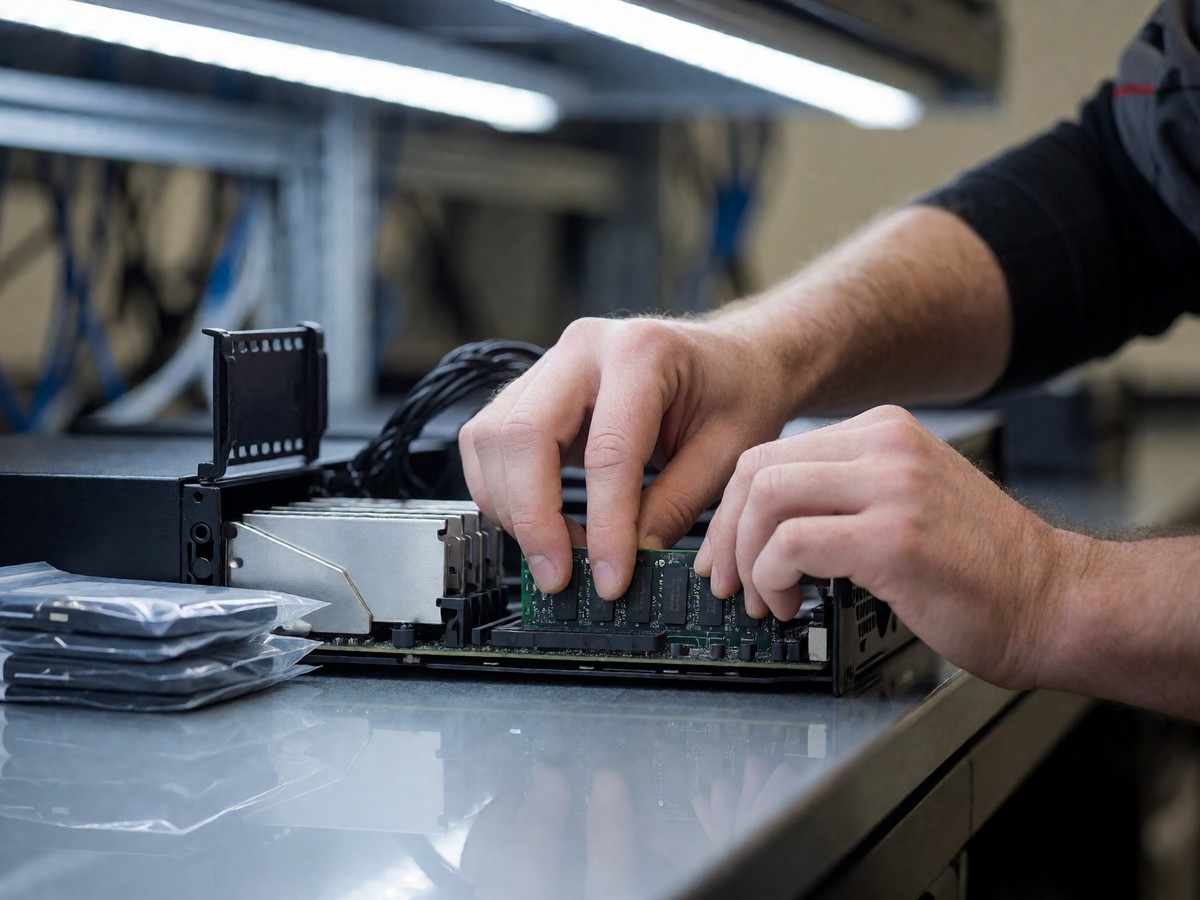
Hardware limits present a real obstacle for new operators. One operator reported that an 8-core i9-9900K with 128GB RAM and a 4TB SSD failed to keep up with the blocks, only checking a block in 3.3 seconds because the CPU hit its maximum capacity. You should prepare for higher costs if you want to avoid falling behind the sequence. The 30M SUI staking requirement keeps the validator count at 109. I notice that this capital intensity makes it difficult for smaller players to join the network. I also saw that the network experienced a consensus outage on January 14, 2026, where block production and checkpoint creation stopped for roughly six hours. This halt left $1 billion in on-chain value inactive. Validators identified the problem in the mid-afternoon and rolled out a fix that restored block creation later that evening. There were no signs of funds being stolen or altered. Validators should consistently participate in generating certified Narwhal proposals. The Tallying Rule ensures validators behave in the interest of the network. Can the network maintain this level of decentralization as the staking requirements grow?




Join the discussion