
Kamino Finance expansion and Solana yield competition
Kamino Finance reached $50 million in deposits for its Institutional Commodity Yield vault as it competes with Jupiter Lend and Solend. The protocol manages $48.35 million in active loans for physical commodities while maintaining a track record of zero bad debt from $120 million in liquidations.

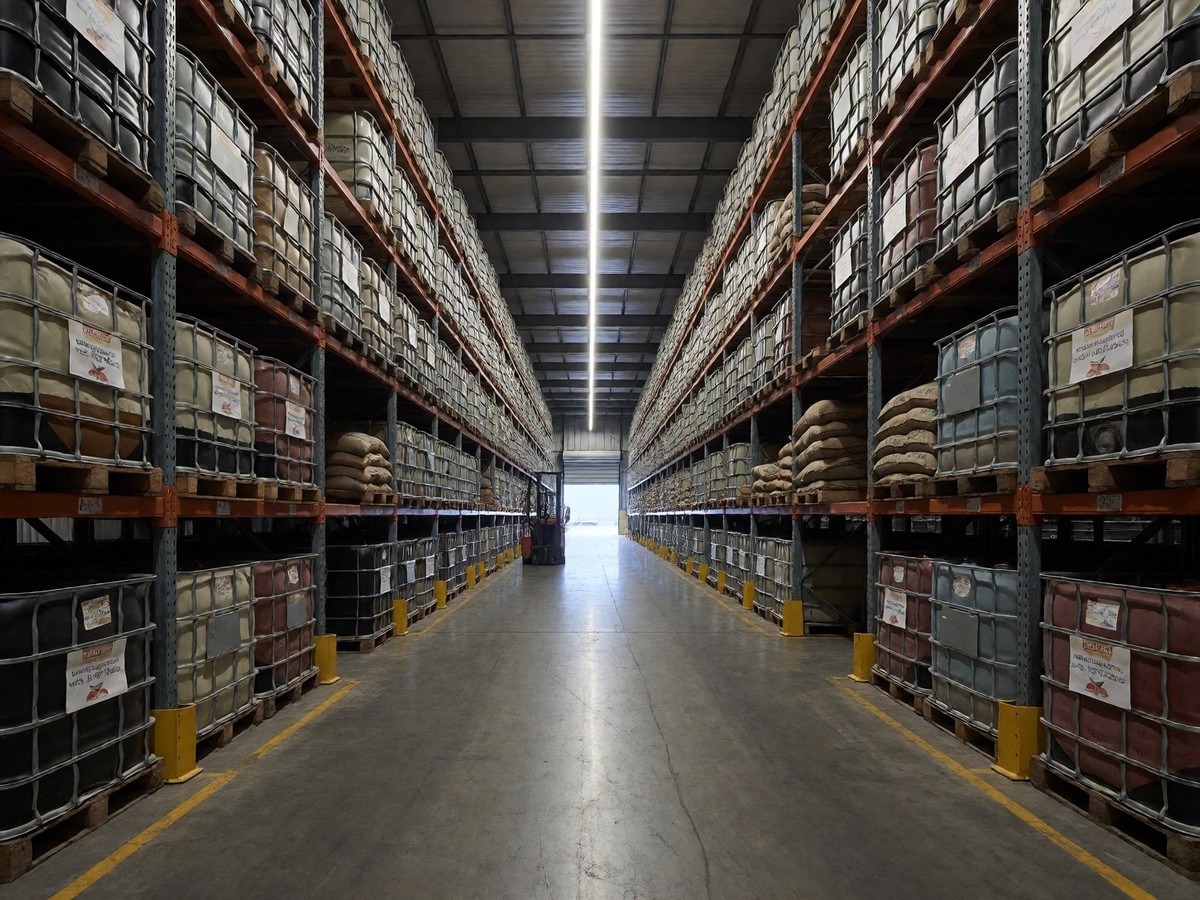
Kamino Finance reached $50 million in deposits for its Institutional Commodity Yield vault on September 29, 2026. DefiLlama data shows $48.35 million of this USDC capital is in active loans to commodity traders, while 7% remains on-chain. These loans finance physical cargoes like oil, copper, coffee, and diesel through a fund supervised by the Cayman Islands Monetary Authority. Depositors receive kicUSDC tokens that signify their share of the pool. Large withdrawal requests join an on-chain first-in, first-out queue that settles as loans repay over one to three month tenors. Because 93% of the capital is lent out, users must wait for loan settlements to access liquidity for large exits. The vault reached this milestone 46 days after it crossed $25 million in deposits. Kamino’s liquidity strategy involves automated vaults that distribute kTokens to users. These tokens provide concentrated liquidity positions that auto-compound trading fees and earn rewards. Users can deploy assets like SOL, USDC, USDT, JUP, and JLP into these vaults. The protocol allows users to borrow against these positions or leverage their staking yield. Kamino provides lending, liquidity, leverage, and automated market making tools. In its first month, Kamino gained over 650 users, a growth rate 170% higher than the Solana average for new DeFi users. Kamino’s KMNO market capitalization reached $265.09 million with a daily trading volume of $192.11 million as of September 19, 2025, and the rise in price demonstrates strong investor interest.
Liquidation and Governance Struggles
Kamino reduced its soft liquidation penalties from 1% to 0.1% on September 1 to compete with Jupiter Lend. This change allows positions to unwind in 10% increments rather than 20% increments to make positions healthier after a partial liquidation. Kamino cofounder Marius Ciubotariu argued that larger increments enable more collateral to liquidate earlier during falling markets. Kamino processed over $120 million in liquidations since its 2023 launch without suffering any bad debt, a track record that supports its reputation as a dominant player in the Solana lending market. Solend faces different pressures after its community voted 99.8% to repeal a proposal that would have given developers power to manage a whale account. This whale account holds 95% of all SOL deposits and 86% of all USDC loans on the Solend protocol. The liquidation threshold for whale positions on Solend stays at $22.27. Solend’s community decision to repeal SLND1 shows the difficulty of managing large concentrated holdings. You should monitor the liquidation queue very closely if you hold large amounts of kicUSDC.
Competition and Comparison
Jupiter Lend captured 13.56% of the market share after launch, amassing $490 million in total value locked within one week. The Jupiter perpetual exchange has generated over $183 million in fees since January 1, 2024, and directs 75% of these fees to $JLP holders. This fee generation resulted in $137.6 million in yield for $JLP holders. Jupiter’s weekly fees average $4.59 million, though activity peaked at $9.42 million in the week starting July 29. Jupiter’s cumulative trading volume reached $100 billion, which is more than three times the $32 billion generated by Drift Protocol. Jupiter’s DEX aggregator commands 55% of 24-hour trading volume among aggregators across all blockchains.
| Protocol | Metric | Value |
|---|---|---|
| Kamino | Liquidation Penalty | 0.1% |
| Kamino | Vault Active Loans | $48.35M |
| Solend | Whale SOL Deposits | 95% |
| Jupiter | Perps Trading Volume | $100B |
Users utilize Kamino assets as collateral for borrowing on Solend via a 2022 partnership. This alliance adds kUSDH-USDH and kUSDC-USDT to Solend’s isolated USDH Pool. Solend borrowers access a maximum 75% loan-to-value against kToken deposits with a 0.1% borrowing fee. The liquidation threshold for kToken borrows on Solend is 85% LTV. Solend’s total assets currently exceed $399 million. Can Kamino maintain its market lead as Jupiter expands its asset support?



Join the discussion