
The future of Uniswap after the fee switch vote
The UNIfication proposal shifts Uniswap revenue by allocating 0.05% of v2 fees to the protocol, funding a one-time burn of 100 million UNI. This change links network usage to token scarcity while reducing immediate returns for liquidity providers.

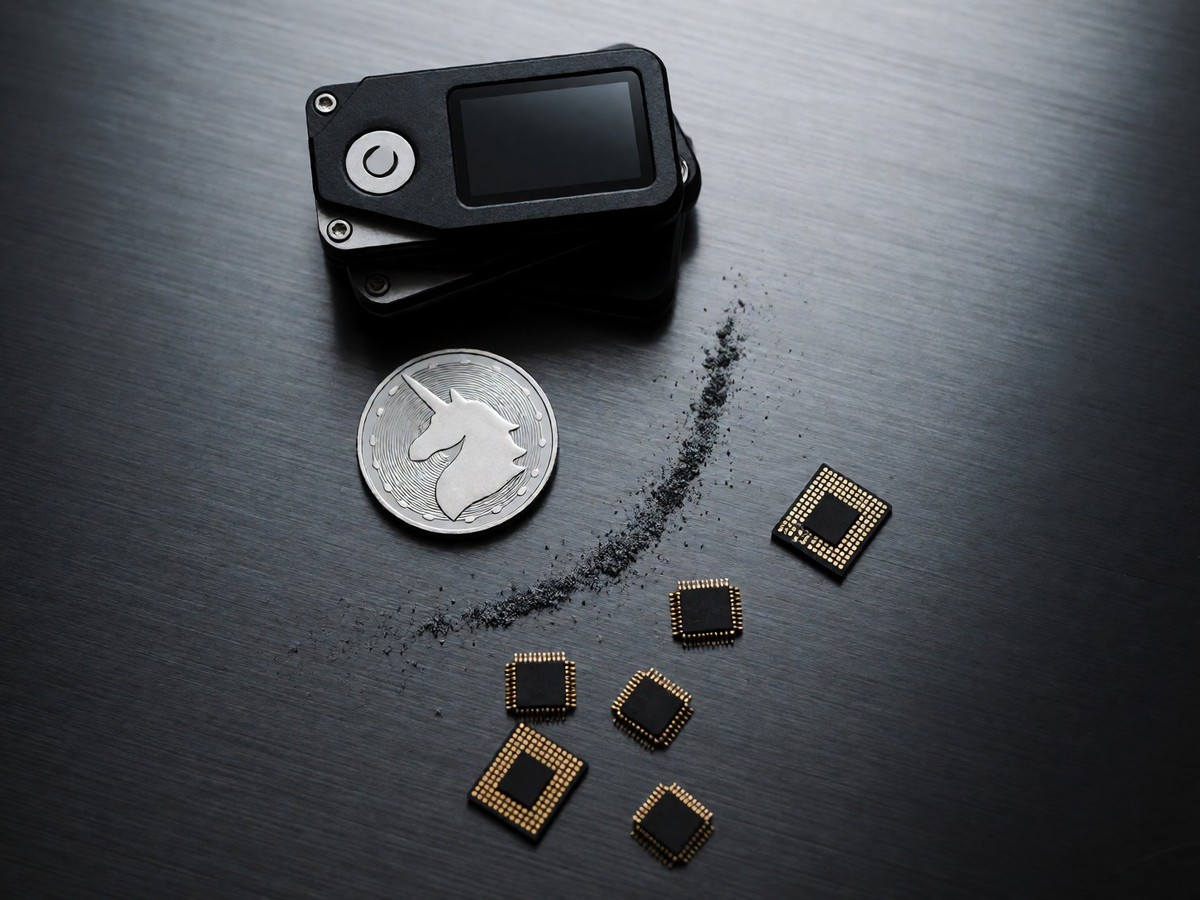
The "UNIfication" proposal passed in December 2025, fundamentally altering how the protocol generates revenue. Before this change, liquidity providers captured nearly all trading fees, leaving the ecosystem without a direct income stream for development or token holders. Now, the protocol takes a cut. For Uniswap v2 pools, the standard 0.30% fee splits into 0.25% for providers and 0.05% for the protocol. In v3, selected pools route a portion of their fees to the treasury based on their specific tier. This shift enables a deflationary mechanism that burns UNI tokens using protocol revenue. I see this as a clear win for long-term sustainability, though it does reduce immediate returns for those supplying capital.
Economic mechanics and token burn
The most significant aspect of the new structure is the ongoing burn funded by protocol fees. After a timelock period, the treasury executed a one-time burn of 100 million UNI. Beyond that initial reduction, the system now continuously removes tokens from circulation using sequencer revenue from Unichain, after covering costs and allocations. This creates a direct link between network usage and token scarcity. As volume increases, the burn rate accelerates, potentially supporting the price of UNI over time. However, the reduction in LP fees means providers earn less per trade than before. A provider who previously kept the full 0.30% now keeps only 0.25% on v2 pools. That 0.05% difference goes to the protocol. Is this enough to keep major liquidity providers engaged? The answer remains unclear until we see sustained volume data post-implementation.
| Component | Pre-Fee Switch | Post-Fee Switch (v2) |
|---|---|---|
| LP Fee | 0.30% | 0.25% |
| Protocol Fee | 0% | 0.05% |
| Token Burn | None | Ongoing + One-time 100M UNI |
Infrastructure and security context
Uniswap v4, released on January 31, 2025, introduced "hooks" that allow developers to customize pool behavior. This feature set makes the fee switch more impactful because hooks can alter how fees are calculated or distributed at the smart contract level. The codebase underwent rigorous review, including a $2.35M security competition run by Uniswap Labs, Certora, and Cantina. Security matters here because the fee switch integrates with Unichain, a layer built on top of the protocol. If the underlying infrastructure fails, the burn mechanism stops. So far, $2.75 trillion in cumulative volume has processed through v2 and v3 without a single hack. That track record gives me confidence in the protocol’s stability. Yet, the integration of new revenue streams adds complexity. Any bug in the fee distribution logic could disrupt the burn process. I would monitor the Unichain sequencer revenue closely, as it is the primary fuel for the ongoing token destruction. The foundation’s "Uniswap Unleashed" plan supports this direction, aiming to make Uniswap the world’s infrastructure for digital value transfer. Whether that ambition matches reality depends on execution.

Join the discussion