
Koda staking following the Legends of the Mara release
Koda characters have decoupled from Otherdeed land NFTs to function as independent worker tiers in the Legends of the Mara strategy game. This shift occurs alongside ApeCoin reward reallocations and technical delays involving the Improbable M2 network interoperability project.

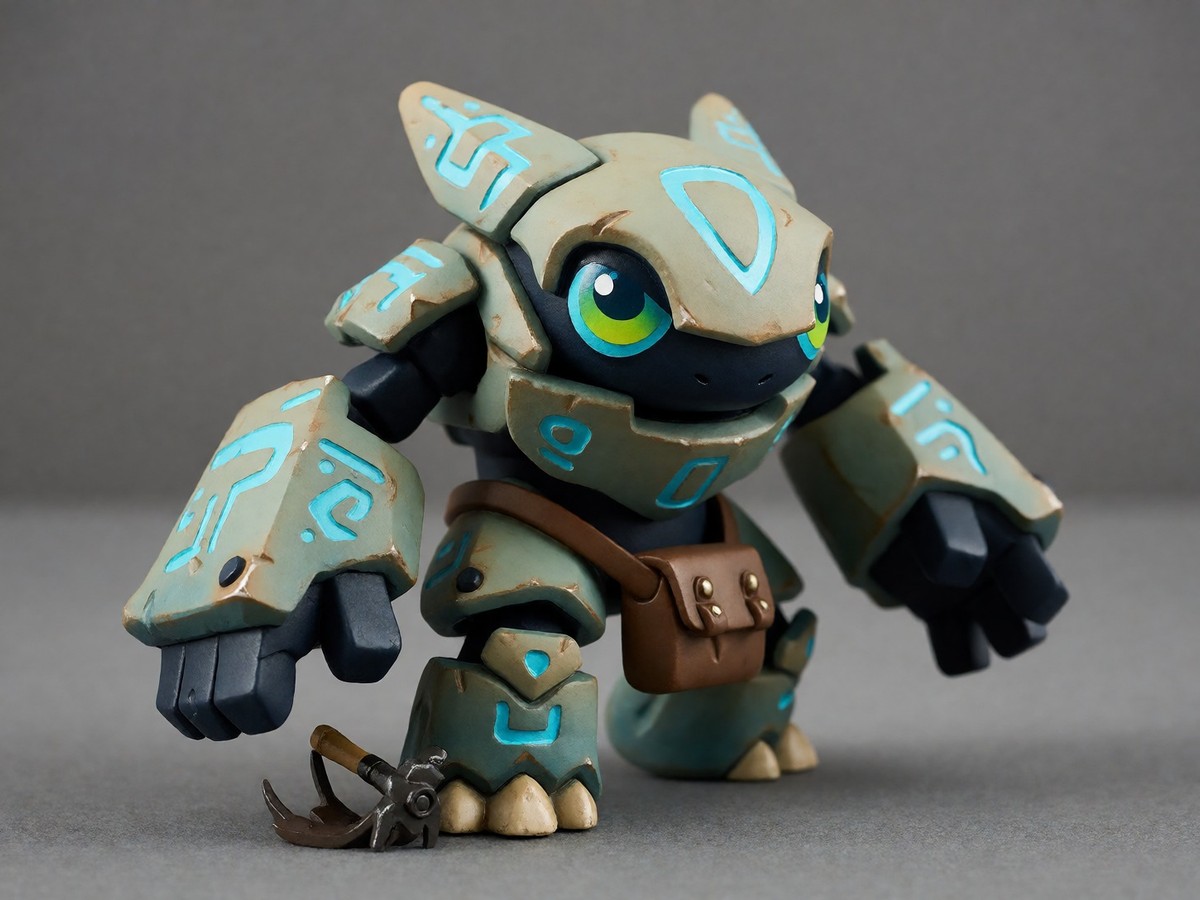
Koda decoupling and the Legends of the Mara launch
The September open beta of Legends of the Mara changed how users handle Koda assets, making the current Koda staking process a necessary step for players. These characters formerly lived within Otherdeed land NFTs, but they now decouple from those land parcels to exist independently. Koda acts as a specific worker tier within this 2D web-based strategy game. This shift follows the decision by Yuga Labs to focus resources on the BAYC ecosystem and Otherside. Players use these characters to participate in farming, enchanting, and hunting to fight "The Shattered". The game uses a collection-based model to give players insight into Koda characters and their environment. Users also earn Voyager XP to track progress across the metaverse. The 55,000 Otherdeeds originally sold for 305 $APE each. The Otherside Development Kit (ODK) uses an AI agent called Koda Agent to help build 3D worlds via simple text commands. Builders access nearly 1,000 assets from 29 different biomes. Koda characters also act as keepers within the Otherside. While the game provides a way to interact with Koda, Michael Figge noted that many metaverse experiences feel empty. I find the sudden decoupling of these assets from land holdings complicates long-term planning for many collectors.
ApeCoin rewards versus M2 delays
ApeCoin reallocation meets technical hurdles from the Improbable M2 network delay. ApeChain supports $APE for transactions and building. Improbable aims to bridge different virtual worlds through its M2 blockchain project, which carries a $1 billion valuation. Backers for this project include Andreessen Horowitz and SoftBank Group Corp. However, the lack of common standards and hardware limitations prevents true metaverse interoperability. The reallocation of the ApeCoin gaming reward pool creates significant tension because the Improbable M2 network delay prevents the seamless movement of assets between the different virtual worlds that users want to traverse. This fragmentation creates a gap between reward distribution and the ability to move avatars between platforms. Big Tech continues to favor closed ecosystems, which limits the success of decentralized platforms like Decentraland or The Sandbox. Users struggle to move Koda characters if the expected interoperability remains distant.
Starting Koda staking
Users start Koda staking by identifying their specific worker tier. The Legends of the Mara structure relies on environment and sediment tiers. Environment tiers dictate the worker count. A player’s sediment tier determines the resources they produce. Koda, Mara, and Kodamara function as three distinct worker levels. Mara includes specialized roles like hunters, farmers, and enchanters. These characters evolve into Kodamara under the right conditions. The game provides a collection-based experience for players. You should verify your specific Koda tier before committing funds. The 2026 Resources system introduces land production and crafting. This system supports an open economy for landholders.
| Worker Tier | Function |
|---|---|
| Koda | Basic worker |
| Mara | Hunters, farmers, enchanters |
| Kodamara | Evolved Mara |
Will the 2026 Resources system provide enough incentive to keep players engaged?

Join the discussion