
The On-Chain Shift in Digital Art Provenance
Christie's utilizes the OpenSea platform for its first on-chain auction, leveraging Ethereum blockchain technology to provide immutable provenance.

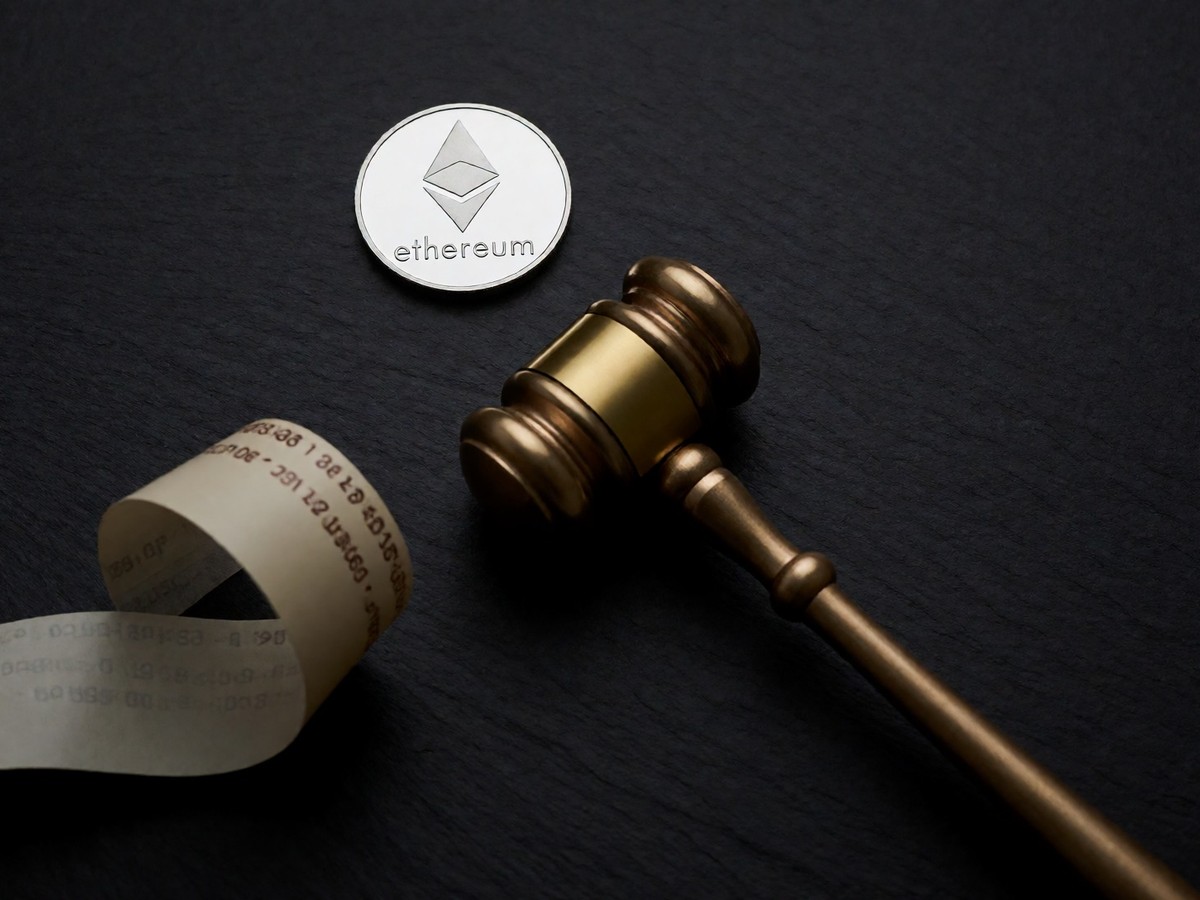
Christie’s uses the OpenSea platform to host its first on-chain auction, merging professional curation with the decentralization of the Ethereum blockchain. This move follows the $69 million sale of Beeple’s Everydays – The First 5000 Days, where the buyer, Vignesh Sundaresan, acquired the 5,000-image composition. The work contains images created over 13 years, which shows Beeple’s evolution pixel by pixel through a grotesque, hypnotizing digital style. Although Christie’s listed the estimate as "unknown" before the sale, the capacity to represent 13 years of an artist’s career in a single work illustrates the scale of this medium. The NFT for this work, generated by MakersPlace, provides an enduring guarantee of value by attaching the artist’s signature and details like edition size to the file. While traditional sales rely on manual record-keeping, the blockchain provides a transparent provenance trail through immutable digital ledgers. I find the shift toward on-chain provenance more reliable than the manual, paper-based systems used in traditional galleries.
Smart contracts automate the distribution of funds during secondary sales. An artist sets a royalty fee, such as 10%, during the minting process, and the contract triggers an automatic deduction from the sale price. For instance, a 10% royalty on a $100 sale sends $10 to the creator’s wallet and $3 to the marketplace, leaving $87 for the seller. However, marketplaces like Blur allow traders to set royalties to zero, which bypasses the creator’s intended earnings. Beeple stated that there is zero way to force royalties technologically, so creators must instead build a collector base that wants to honor these payments. Art Blocks manages its ecosystem through three distinct tiers that cater to different artist needs.
| Feature | Curated Collection | Factory Collection | Playground Collection |
|---|---|---|---|
| Selection | Curation Board | Art Blocks Team | Artist-led |
| Speed | Slow | Faster | Experimental |
The Curated collection includes projects like Fidenza and Singularity, which the board evaluates for technical rigor. The Factory collection provides a quicker onboarding process, while the Playground collection allows artists to experiment with styles like Kjetil Golid’s Paper Armada. You likely recognize that these tiers create different levels of prestige for generative artists. By using the EIP-2981 standard, artists embed royalty logic directly into their NFTs, which allows for the automatic allocation of a percentage of resale proceeds back to the creator. Both ERC-721 and ERC-1155 standards support this functionality.
Sotheby’s operates a virtual gallery in Decentraland, where buyers use Pak-designed avatars to interact in a digital replica of the London headquarters. This virtual presence targets crypto-collectors, yet it differs from Christie’s strategy to capture a younger audience through a buyer demographic that averages 42 years of age. Sotheby’s also accepts Ethereum or Bitcoin for live auctions of physical goods, including Refik Anadol’s "Machine Hallucinations – Space | Chapter Two: Mars," which carries an estimate between $800,000 and $1.2 million. The upcoming Saudi auction includes 119 lots, including modern artworks and a jersey worn by Cristiano Ronaldo. This auction marks a departure from previous models as it allows for cryptocurrency payments for an entire live auction of physical items. Sotheby’s itself does not hold cryptocurrency. I find the focus on virtual avatars somewhat disconnected from the massive physical sales occurring in regions like Saudi Arabia. Does the move into the Metaverse provide enough stability to counter the cooling interest in purely digital assets?

Join the discussion