
Virtual land and the MANA economy
Decentraland manages its ecosystem through a DAO that controls a treasury with 222,000,000 MANA in vesting contracts. The platform transitioned from early land auctions to a consensus mechanism where users calculate voting power based on MANA, LAND, or NAME holdings.

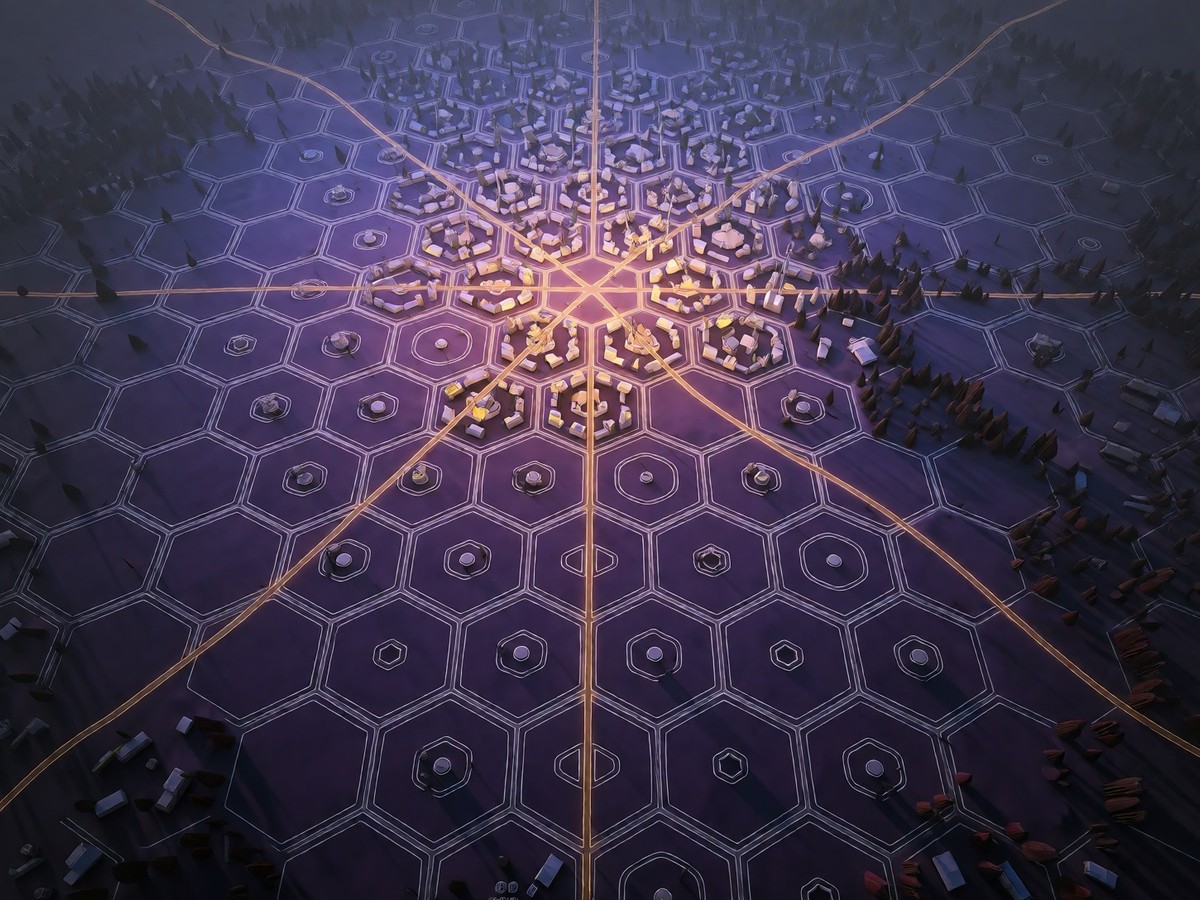
The Metaverse Group, a subsidiary of the crypto investment firm Tokens.com, purchased a piece of virtual real estate in the Fashoin Street district for 618,000 MANA, which equated to approximately $2,428,740 at the time of the transaction. This sale marked the most expensive purchase of virtual real estate in the platform at that time. In 2021, Decentraland recorded 21,000 transactions totaling $110 million in virtual land. The Sandbox recorded 65,000 transactions totaling $350 million during that same year. Founders Ariel Meilich and Esteban Ordano built the platform on the Ethereum blockchain. The circulating supply of MANA is 1.878 billion. In September 2022, only 1,074 wallets interacted with the platform. Users buy LAND as an Ethereum-based NFT and trade it in a secondary market. Interest in virtual worlds spiked after Facebook changed its name to Meta in late October. Decentraland competes with other metaverse platforms like Axie Infinity and Illuvium. At the time of release, Decentraland held the 23rd largest cryptocurrency market cap for its in-game token, while The Sandbox held the 34th. The 2021 boom saw MANA rise 39.8% in a single week.
The DAO decision-making process
The Decentraland DAO manages the ecosystem through a consensus mechanism. It controls critical smart contracts and a treasury with a 10-year vesting contract worth 222,000,000 MANA. Users calculate voting power (VP) based on their total balance of MANA, LAND, or NAME. You should know that the DAO uses these funds to sponsor community projects. The transition from the DAO Committee to new governance proved difficult for a former treasurer. This individual was one of three members who controlled the multisig wallet. Two former committee members refused to sign the transaction to hand over control of the multisig wallet. Because the wallet required two signatures, the lone treasurer could not remove themselves. One former member even suggested the treasurer behaved like a "Nazi" during the conflict. This dispute lasted one year until Regenesis Labs and the Decentraland Foundation helped finalize the transfer. The DAO allows members to propose changes and vote with their tokens. Users maximize participation by assigning VP to recognized community members. The treasury funds the Decentraland Ambassador’s Program and community grants.
| Specification | Value |
|---|---|
| MANA Circulating Supply | 1.878 billion |
| DAO Treasury Vesting | 222,000,000 MANA |
| Most Expensive Sale | 618,000 MANA |
| 2021 Decentraland Transactions | 21,000 |
Future sustainability and community rules
The growing community requires a "Code of Ethics" to prevent subjective decision-making and conflict escalation. The DAO manages proposals to increase VP thresholds for Catalyst Node proposals and to manage the LAND-to-MANA ratio. Some users suggest allowing building on LANDs abandoned for more than 6 months to revitalize the map. This idea allows players to build without owning a plot, though the original owner maintains possession. The DAO also manages requests to add adidas virtual gear to the Linked Wearables Registry and to stop the DAO from buying LAND from the marketplace. The platform clearly needs new revenue streams to survive without relying on MANA sales. One proposal suggests offering in-world hosting services to low-profile musicians to create sustainable growth. Another option involves the "Islands" staking mechanism to expand the world. There were 47,600 registered musicians in Argentina in 2019. The platform also reviews music platform resubmissions like BeatBlox. Survival Mode could allow users to fight and snatch items from others, while treasures could appear in strategic places. Users may also delegate VP to multiple wallets to maximize participation. The platform also considers whether it should stop burning MANA when a NAME is minted. The shift from early land auctions to a structured DAO changes the platform’s direction. Can the platform maintain growth through these engagement mechanics?



Join the discussion