
Hong Kong’s stablecoin licensing momentum and regional trends
Hong Kong issued its first stablecoin licenses to HSBC and Anchorpoint Financial Limited on April 10, 2026. While Hong Kong prepares for H2 2026 launches, Singapore continues legislative consultations and Thailand expands its programmable payment sandbox.

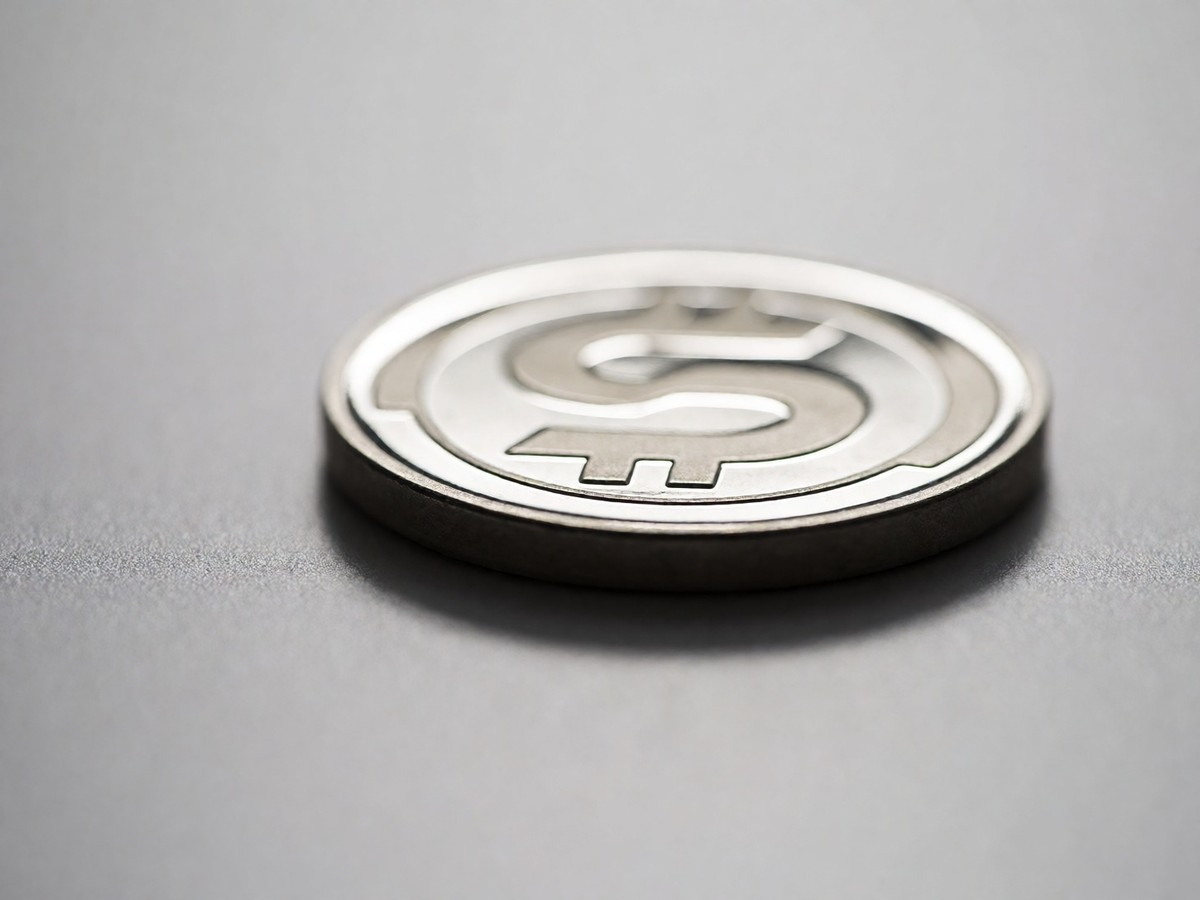
I find the HKMA’s selection process decisive. The HKMA issued the first stablecoin licenses to HSBC and Anchorpoint Financial Limited on April 10, 2026. Anchorpoint operates as a joint venture between Standard Chartered Bank (Hong Kong) Limited, HKT Limited, and Animoca Brands Limited. Both issuers plan to launch HKD-referenced stablecoins during the second half of 2026. This movement follows market shifts where OKX withdrew its VASP license application to reconsider its business strategy. The HKMA selected only two entities from 36 applicants that submitted by the September 30, 2025 deadline. These two issuers aim to address cross-border payments, local payments, and tokenized asset trading. Licensed issuers must maintain HK$25 million in paid-up capital and 100% liquid asset backing. They must also process redemptions within one business day. To manage risk, issuers must use blockchain analytics tools and verify the identity of all holders. The HKMA permits reserve assets like cash, bank deposits with terms under three months, and government securities with residual maturity of one year or less. Issuers must manage credit, liquidity, market, technology, operational, reputational, and AML/CFT risks. They must satisfy redemption requests without undue delay and conduct regular independent attestation of reserve assets. Only permitted offerors, such as authorized institutions or SFC-licensed platforms, may offer these stablecoins in Hong Kong.
| Feature | HKD Stablecoin (Licensed) |
|---|---|
| Minimum Capital | HK$25 million |
| Asset Backing | 100% liquid assets |
| Redemption | One business day |
| Target Launch | H2 2026 |
Singapore’s slower timeline
Singapore’s regulatory rollout moves slower than Hong Kong’s. While Hong Kong issuers prepare for launches in the second half of 2026, the Monetary Authority of Singapore continues its legislative process by publishing draft rules for the Single-Currency Stablecoin framework on September 1, 2026. This consultation period concludes on October 16, 2026. The framework stems from a decision MAS made in August 2023 to separate stablecoin issuance from digital payment token services. While StraitsX holds MPI licenses and uses XSGD for Grab and Alipay+ merchants, the market awaits final rules. StraitsX uses DBS trust accounts for its reserves and submits monthly external audits. XUSD facilitates peer-to-peer overseas remittances with Ant International and Grab. You should watch if the recognition route for foreign stablecoins becomes a reality. I would skip the hype about immediate adoption in Singapore since the legal implementation remains in the drafting stage. MAS regulates several activities including account issuance, domestic money transfers, and digital payment token services. The MAS framework also gives authorities powers to designate systemic stablecoins that pose risks to the financial system. MAS proposes banning interest payments to holders of MAS-regulated stablecoins. Licensed entities in Singapore must also comply with strict customer due diligence requirements.
Regional divergence
Thailand and Japan provide different regulatory realities. The Bank of Thailand expanded its Programmable Payment Sandbox in December 2025 to test Thai Baht stablecoins. This follows a 2022 pilot that limited users to 10,000 people. The second phase of the Thai pilot aims to develop new use cases and create a design that fits national needs. In Japan, JPYC Inc. began issuing the JPYC yen stablecoin in October 2025 after registering as a funds transfer service provider. The market remains heavily skewed toward the United States, where stablecoin issuers rank as the 17th-largest holder of U.S. government debt. This dominance persists despite local efforts, as the RMB trade settlement ratio sits at 4% while the USD holds 54%. The U.S. government carries over $38 trillion in debt and needed to sell $11 trillion in new Treasuries in 2025. Foreign exchange trading shows an 88% USD versus 7% CNY disparity. This disparity persists even as the U.S. GENIUS Act of July 2025 mandates that stablecoin reserves stay in U.S. Treasuries. Does the rapid convergence of these different technologies into a single fragmented infrastructure make real-time settlement impossible?

Join the discussion