
MiCA reserve rules and the stablecoin compliance race
MiCA regulations mandate specific reserve percentages for e-money tokens, forcing Tether to lose $2 billion in market capitalization due to lack of EU authorization. While Circle maintains compliance with USDC, PayPal offers PYUSD rewards at a 4% annual rate through Paxos management.

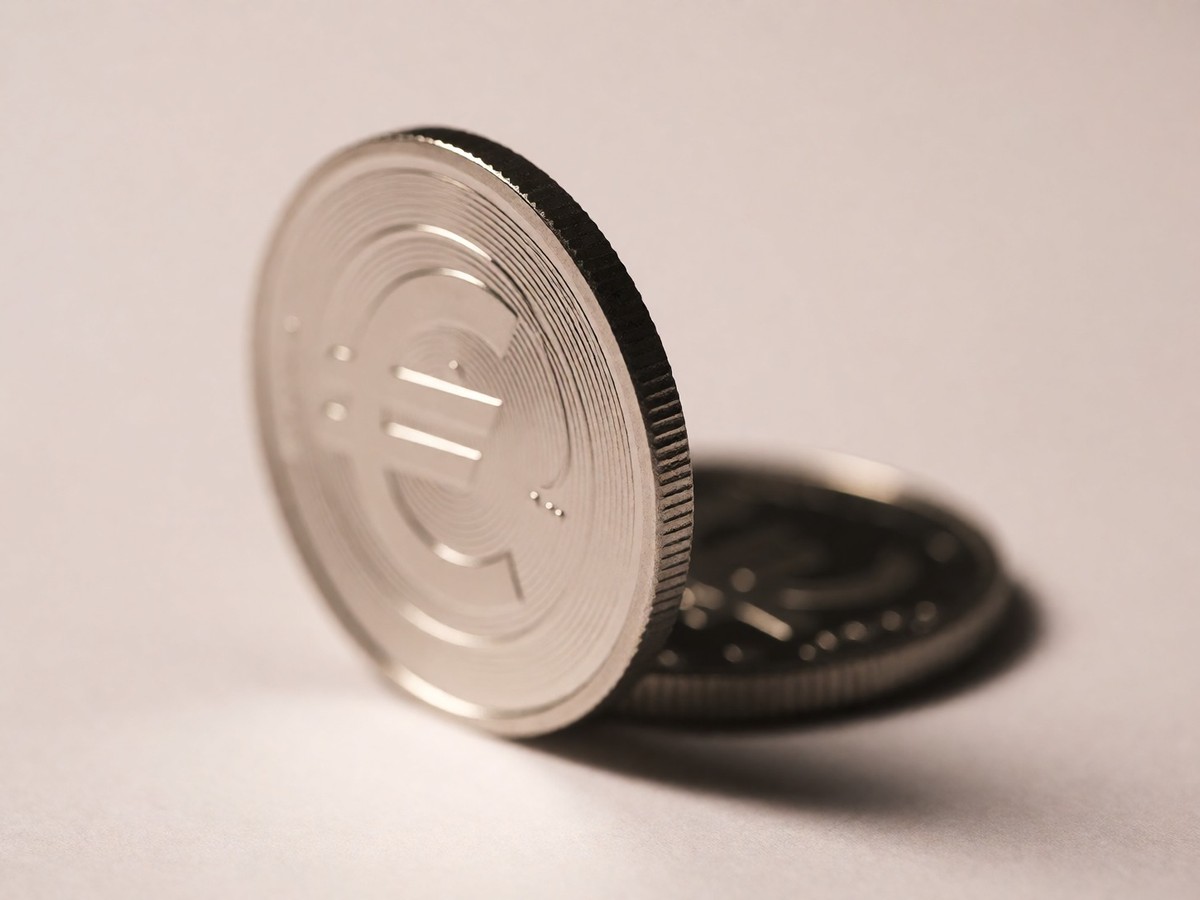
Circle holds the only e-money token license in Europe, which keeps USDC available across the European Economic Area. Tether lost $2 billion in market capitalization in December because it failed to obtain the necessary EU authorization. This regulatory gap forced European exchanges like Coinbase to delist USDT, while Kraken and Crypto.com began phased removals of the asset through March 2025. I find the sudden liquidity shift in Europe a stark reality for traders who rely on USDT for non-custodial transactions.
MiCA distinguishes between asset-referenced tokens and e-money tokens. E-money tokens must be issued by authorized credit or electronic money institutions. These issuers must hold reserves in high-quality, liquid assets and keep them segregated from company funds.
| Spec | Requirement |
|---|---|
| Non-significant EMT Reserve | 30% in bank deposits |
| Significant EMT Reserve | 60% in bank deposits |
| Significant EMT Concentration Limit | 10% per credit institution |
| Transaction Cap | 1 million transactions per day |
| Transaction Value Cap | EUR 200 million per day |
The regulation imposes caps on non-euro stablecoins when usage for goods and services exceeds 1 million transactions or EUR 200 million in aggregate daily value. Once a issuer hits these levels, they must stop issuing the token until usage falls.
Paxos and the PayPal reward strategy
Paxos manages the reserves for PayPal USD (PYUSD) using cash, US dollar deposits, and short-term US Treasuries. Paxos publishes two monthly documents to provide transparency. The first is a self-reported Reserve Report released five business days after the month ends. The second is a third-party attestation. KPMG LLP has provided these attestations since February 28, 2025, following AICPA standards.
PayPal distributes PYUSD to users in 70 markets, including the UK, Singapore, and the United States. In April 2025, PayPal introduced rewards for PYUSD balances in the PayPal and Venmo apps at a 3.7% annual rate. This rate reached 4% by September 2026. This reward structure bypasses the GENIUS Act prohibition against issuers paying interest to holders because PayPal, not Paxos, distributes the reward. The OCC issued a notice of proposed rulemaking on February 25, 2026, to address whether such affiliate-paid rewards violate federal law.
| PYUSD Asset Detail | Value/Condition |
|---|---|
| Circulating Supply | $2.78 billion (Sept 2026) |
| US Market Cap | $74.4 billion (USDC) |
| Reward Rate | 4% annual (variable) |
| Redemption | 1:1 for dollars |
You should remember that an attestation confirms a point-in-time match between reserves and tokens but does not offer a full GAAP audit.
Bank tokens and the MiCA reality
Societe Generale uses its digital asset arm, SG-FORGE, to issue MiCA-compliant stablecoins like EURCV. SG-FORGE integrated EURCV with 1inch to route liquidity into DeFi protocols. This allows holders to use EURCV as collateral on Morpho to borrow Bitcoin. While this integration expands utility, the current use remains limited to specific lending functions.
The MiCA framework allows for a grandfather clause where existing assets might remain during transitional periods, but the regulatory pressure remains heavy. Societe Generale operates as a bank-issued entity, which provides a different regulatory profile than crypto-native firms.
| Issuer | Stablecoin | Type |
|---|---|---|
| Circle | USDC | EMT |
| SG-FORGE | EURCV | EMT |
| Paxos | PYUSD | EMT (US) |
| Tether | USDT | Non-compliant EMT |
The distinction between a bank-issued token and a non-bank issuer remains the primary divider in European market access. Will the concentration limits on bank deposits prevent larger issuers from scaling their reserves?

Join the discussion