
The economic reality of Bhutan’s Bitcoin liquidations
Bhutan's Bitcoin holdings dropped to 518 BTC following a 400 BTC transfer worth $30.62 million. Despite official denials of a sell-off, cumulative 2026 outflows suggest a methodical liquidation process to fund national priorities like the Gelephu Mindfulness City project.

Bhutan’s labeled on-chain holdings dropped to 518 BTC after a 400 BTC transfer to an unlabeled address. This transfer, worth $30.62 million, follows a pattern of outflows from Druk Holding and Investments that exceeded hundreds of millions of dollars in 2026. The transfer of 400 Bitcoin, valued at $30.62 million, left Bhutan’s remaining labeled on-chain holdings at roughly 518 BTC, which is a 96% reduction from the peak of 13,000 BTC in October 2024. You already know that blockchain analytics provide clarity, so while the movement is clear, Bhutanese officials tell the press they do not recall any Bitcoin sales. The country moved $237.39 million in Bitcoin from their wallets to Segwit addresses in just five months in 2026. This follows the peak when identified wallets held 13,295 BTC in October 2024. The country moved 519.7 BTC to two wallets in a single Wednesday, with one destination linked to the trading firm QCP Capital. Even though the government denies a sell-off, the cumulative 2026 outflows suggest a methodical liquidation process. I find the discrepancy between these blockchain records and official statements to be jarring. I note that the country’s population of roughly 800,000 people makes these massive Bitcoin transfers significant relative to the national economic footprint. Bhutan remains the 4th largest government with Bitcoin holdings on the Arkham platform.
Mining efficiency and electricity costs
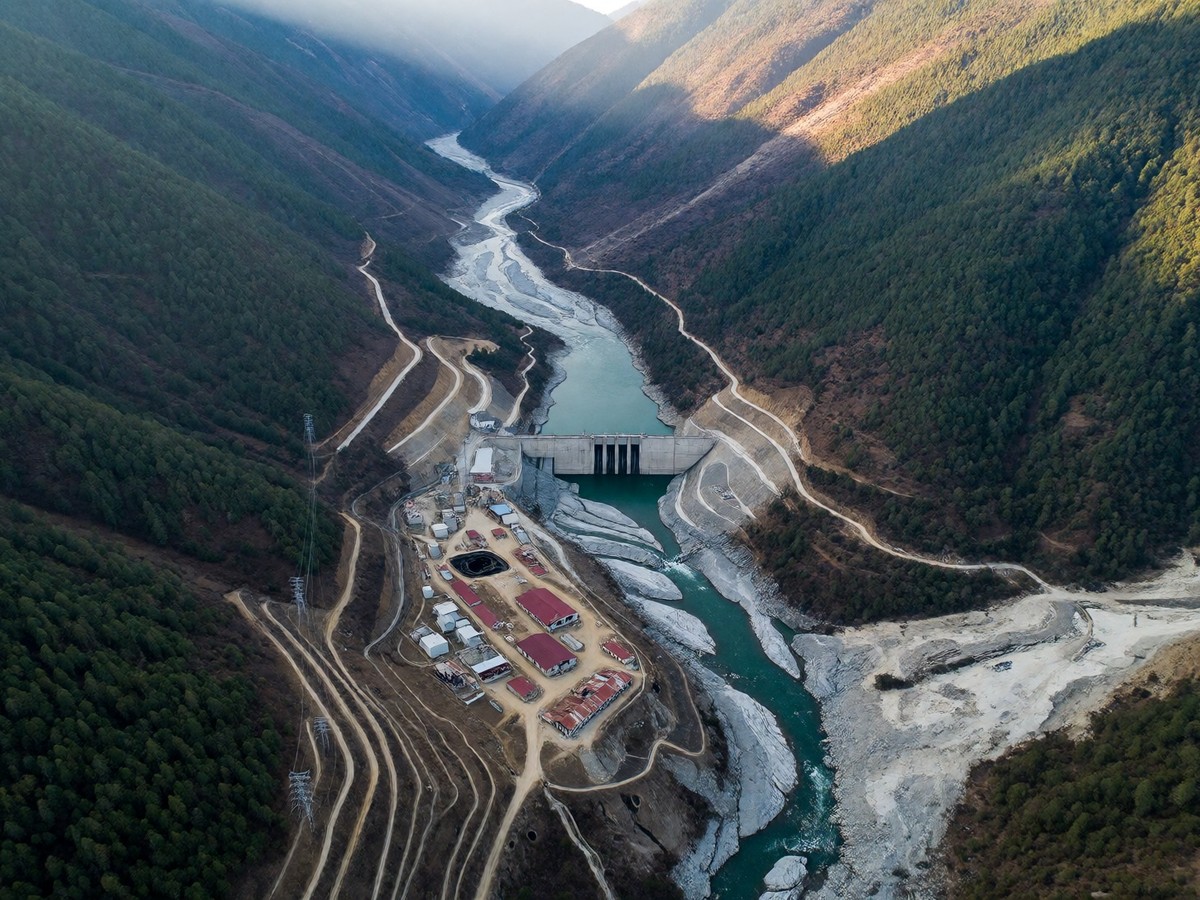
Bhutan’s mining strategy relies on abundant hydroelectric power from Himalayan glaciers. Druk Holding and Investments expanded mining capacity from 100 to 600 megawatts through a partnership with Bitdeer. This renewable energy source keeps production costs far below the global average of $87,000 per Bitcoin in early 2026. I see the efficiency of these mountain-based facilities as the only reason the country maintains a profit margin while the rest of the world struggles with rising difficulty. The April 2024 halving cut the block subsidy from 6.25 to 3.125 BTC, which doubled the energy cost per coin for most miners. Bhutan avoids these margin compressions because its hydro-powered operations produce at a much lower expense than those using expensive thermal or wind power. Electricity accounts for 60 to 80% of Bitcoin mining operating costs, making geographic location the single largest determinant of profitability. Bhutan’s rivers and mountain terrain provide cheap, renewable electricity at scale, while the largest facility sits on the grounds of the defunct Education City project.
| Mining Detail | Specification |
|---|---|
| Target Capacity | 600 megawatts |
| Primary Energy | Hydroelectric |
| Mining Partner | Bitdeer |
| Peak Holdings | 13,000 BTC |
Managing the national treasury
The government uses these Bitcoin sales to fund domestic priorities like the Gelephu Mindfulness City project. In December 2025, Bhutan pledged up to 10,000 BTC toward this urban development initiative. I think the decision to liquidate holdings at current prices makes sense because the country built its position at a much lower cost through mining. The state also uses the funds to pay for a 50% salary increase for civil servants and various infrastructure projects. This strategy converts digital wealth into fiat capital to avoid increasing national debt. The cumulative sales over the past eighteen months reached near $1 billion. Bhutan treats its Bitcoin like a central bank treats gold, as a strategic reserve asset that the government can selectively liquidate to fund national priorities. I call the current management of these assets a methodical, months-long drawdown rather than a panic. This liquidation follows the Bitcoin price drop from the $124,900 high set in October 2025. The remaining 3,100 BTC in the strategic reserve provides a cushion, but the pace of outflows remains high. One question remains regarding the exact destination of the 400 BTC recently sent to an unidentified external address.



Join the discussion