
The economics of Kazakhstan’s crypto mining tariff hike
Kazakhstan faces a 5.7 billion kWh electricity shortage in 2025 as renewable energy expansion and grid depreciation drive higher end-user tariffs. New regulations require strategic miners to maintain 150 MW data centers and transfer 10% of mined assets to a national crypto reserve.


Grid instability and renewable targets
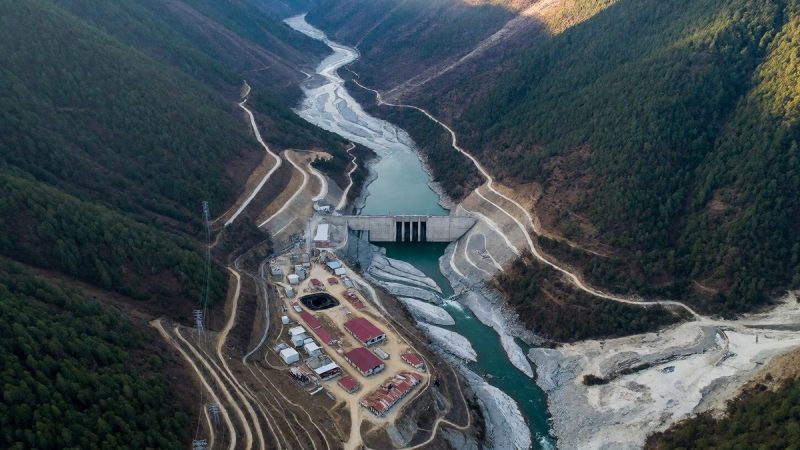
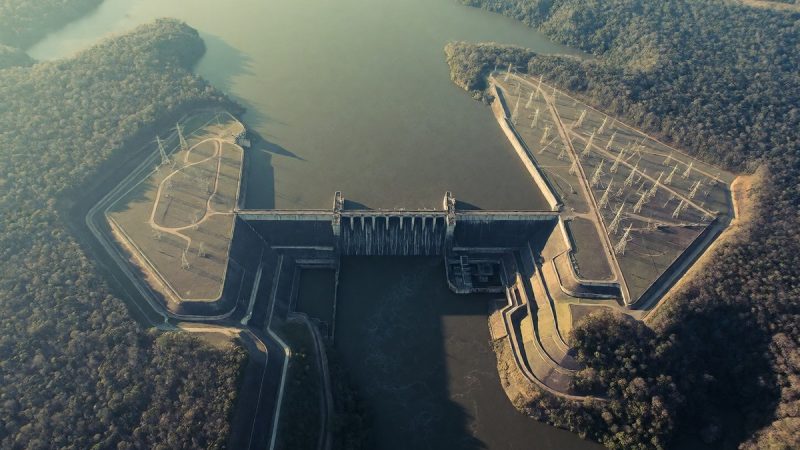
Kazakhstan faces a 5.7 billion kWh electricity shortage in 2025. The system operator, JSC KEGOC, reported in February 2026 that the accelerated commissioning of renewable energy capacity without sufficient balancing capacity creates a direct threat to the reliability of the Unified Power System and forces higher end-user tariffs. This surge in renewable deployment requires the deployment of battery energy storage systems to maintain stability. As of June 2025, 156 renewable energy facilities were in operation with 3,122.12 MW of installed capacity. The government aims to increase the share of renewable energy to 15% by 2030. The state plans to commission at least 500 MW of new hydropower capacity by the end of 2030. In 2025, the Ministry of Energy auctioned 1,810 MW of capacity, including 1,200 MW of wind and 500 MW of hydro. Grid depreciation averages 66%, which hampers the expansion of the energy infrastructure. The Water Code, effective April 9, 2025, also tightened the regulatory framework for obtaining water use permits for industrial processes.
New regulations for strategic miners
New regulations impose heavy requirements on crypto mining operations. To qualify for strategic status, companies must own a digital mining data center with at least 150 MW capacity. These companies must also use mining hardware where each unit has a minimum computing power of 150 TH/s. Under the "Rules for Implementing Strategic Crypto Mining," approved miners must sign agreements with the Astana Hub Autonomous Cluster Fund. These companies also buy electricity from eligible power-generating companies. They must transfer a portion of their mined assets to the fund to build national crypto reserves. Local media reports cite a 10% transfer rate for these assets. The government resolution enters into force on August 1, 2026. Applicants must submit requests through the E-licensing system and obtain approval from a dedicated committee to ensure they meet the standards for strategic status. Miners must also maintain qualified technical staff, on-site repair facilities, and multiple internet service contracts. The program allows qualified companies to secure electricity quotas for up to 10 years at a capped tariff. Kazakhstan ranked fifth globally for Bitcoin mining activity in April 2025.
| Mining Spec/Rule | Requirement/Value |
|---|---|
| Strategic Data Center Capacity | 150 MW minimum |
| Minimum Hardware Power | 150 TH/s per unit |
| National Reserve Asset Transfer | 10% transfer rate |
| Electricity Source | Eligible power-generating companies |
| Compliance Requirements | Technical staff and repair facilities |
Energy costs and the mining market
The economic landscape for miners shifted as the country manages its energy deficit. In March, electricity prices averaged $0.04 per kilowatt hour. This rate is much lower than the $0.08 rate in Mainland China. The integration of renewables and the need for grid infrastructure expansion drive end-user tariffs higher. You should realize that the era of unregulated, cheap power is ending. The National Association of Blockchain and Data Center Industry noted that gray miners double the economic impact of officially registered firms. Kazakhstan’s mining share fell to 2.1% as the country relies on coal and faces grid challenges. The state plans to add 6.7 GW of new capacity by 2029 to address growing demand. The projected electricity shortfall of 5.5 billion kWh by 2029 complicates large-scale operations. This energy deficit forces the government to prioritize new capacity from gas and renewables. The country’s energy mix relies heavily on 54% coal and almost a third from natural gas. The electricity shortage of 5.7 billion kWh in 2025 remains a significant hurdle for the mining sector. Will the new regulatory burden effectively offset the energy deficit?


Join the discussion