
The SEC revokes SAB 121 and proposes new crypto custody rules
The SEC issued Staff Accounting Bulletin 122 to revoke the controversial SAB 121 rule, which previously forced firms to record client crypto assets as liabilities. New proposals aim to modernize custody frameworks for advisers through state trust companies or specific self-custody arrangements.


The SEC issued Staff Accounting Bulletin 122 on January 23, 2025, to revoke the controversial SAB 121. This previous rule forced financial firms to record crypto assets held for clients as liabilities on their balance sheets. You likely know how much this rule burdened banks and stalled digital asset products. Senator Cynthia Lummis, Representative Wiley Nickel, and Representative Mike Flood pushed for its repeal using the Congressional Review Act, arguing the rule lacked legal authority and created unnecessary administrative weight. The American Bankers Association also argued that the rule curbed the ability of banks to compete in the digital asset market. A Government Accountability Office review previously concluded that the SEC should have presented this policy to lawmakers to follow necessary procedures. Even after a veto from former President Joe Biden in 2024, the bipartisan repeal of SAB 121 moved forward. Commissioner Hester Peirce celebrated the decision, stating "Bye, bye SAB 121!" in a post on X. I find the removal of this accounting hurdle the best way to encourage bank participation in the market.
New paths for holding digital assets
The SEC released a proposal on October 1, 2026, under Press Release 2026-100 to modernize custody rules for advisers and funds. This proposal seeks to amend the Investment Advisers Act of 1940 and the Investment Company Act of 1940. It also updates Investment Company Act broker-dealer custody conditions to modernize the framework. The agency aims to provide a compliant pathway for digital asset strategies where previous ambiguity existed. This move follows other regulatory efforts, such as the innovation exemption for tokenized stocks and the crypto-fundraising framework known as Regulation Crypto Assets. The SEC also sent this proposal to the White House following meetings between President Trump, the CFTC and SEC chairs, and crypto executives. One option allows for custody with state trust companies, provided advisers conduct due-inquiry checks on state authorization and safeguarding policies. The SEC proposal, which remains open for public comment until December 7, 2026, allows registered investment advisers to hold crypto assets through state trust companies or through specific self-custody arrangements when no other permitted custodian exists for the asset. Advisers must also review the audited financial statements and internal control reports of state trust companies every year.
| Custody Type | Requirements |
|---|---|
| State Trust Company | Due-inquiry checks, audited financials, internal control reports |
| Self-custody | Quarterly re-checks, private-key management, two-person authorization |
Operational risks of self-custody
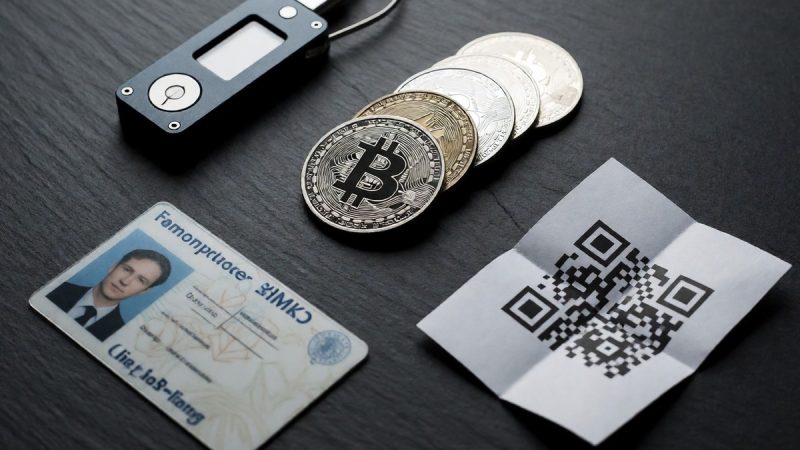
Self-custody, or what Commissioner Peirce calls "shelf-custody," presents specific operational burdens. Advisers must demonstrate they possess the technical expertise to manage private keys and keep client holdings in segregated blockchain addresses. This role creates a conflict because an adviser must act as a fiduciary while simultaneously acting as the person safeguarding the assets. The rule requires that an adviser determines no other permitted custodian is available and repeats this check every quarter. Every transaction requires two people to authorize it. For registered funds, the board must determine before the adviser holds the asset, and every year afterward, that it will be kept with reasonable care. This setup places the responsibility for safeguarding assets and the fiduciary duty in the same hands, a combination the current system keeps separate. Does this concentration of power increase the risk of a single point of failure for client funds?
| Wallet Type | Key Characteristics |
|---|---|
| Hot Wallet | Connected to the internet, higher hacking risk |
| Cold Wallet | Offline storage, enhanced security |
Investors must still choose between hot wallets, which connect to the internet, and cold wallets, which provide offline storage. The SEC also advises that investors check if a third-party custodian rehypothecates assets by lending them out or commingles client holdings. As of March 31, 2026, the SEC recognizes four national trust banks for digital asset services: Anchorage Digital, BitGo, Fidelity Digital Assets, and Paxos. Ripple National Trust Bank also holds a charter as of October 26, 2025.



Join the discussion