
CleanSpark versus Marathon Digital: Which Mining Stock Comes Out Ahead
Bernstein rates CleanSpark Outperform with a $24 target, citing its $6.6 billion AI data center lease that stabilizes cash flow. Marathon Digital remains Market-Perform at $17 due to heavy reliance on Bitcoin mining, which led to a $343 million fair-value impairment in Q2 2026.

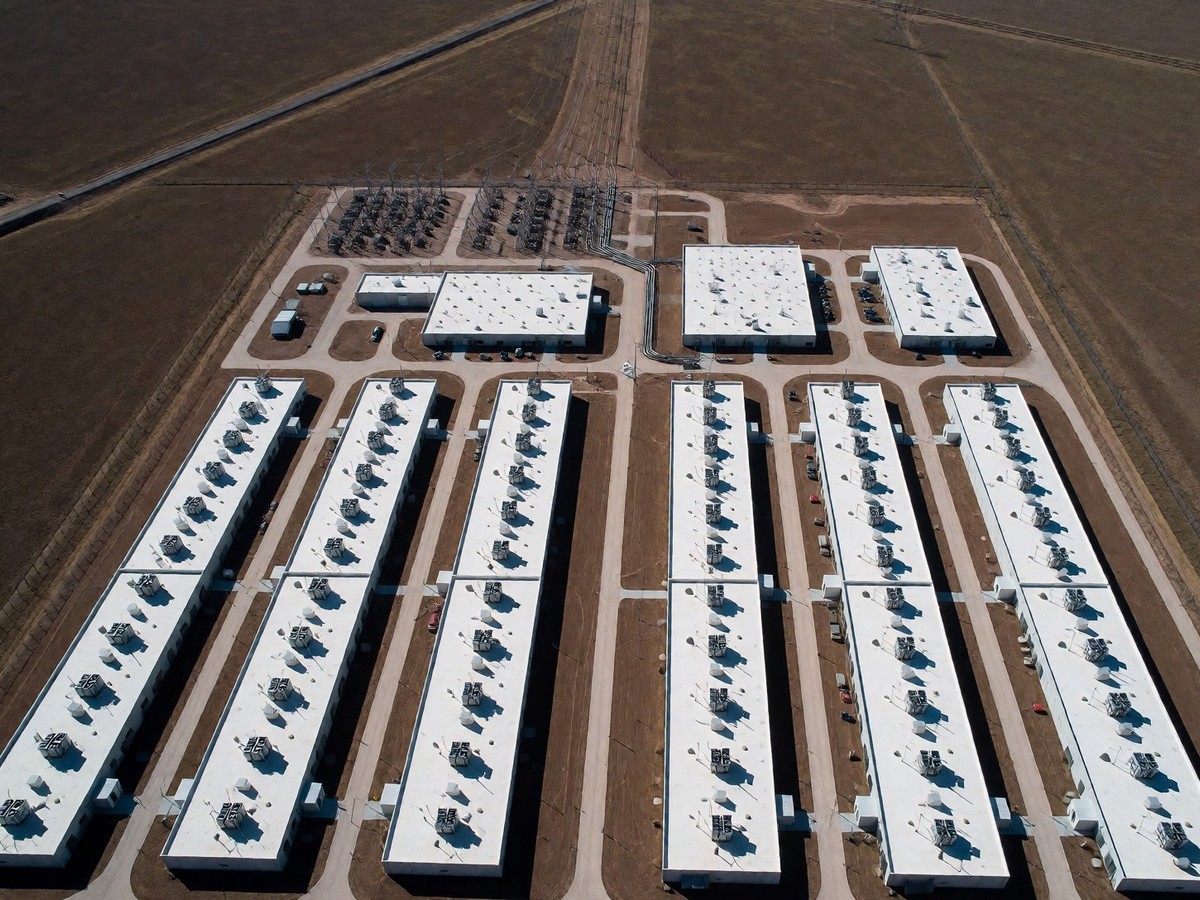
Bernstein’s split ratings define the current divide in Bitcoin mining. The firm maintains an "Outperform" rating for CleanSpark with a $24 price target, while holding MARA at "Market-Perform" with a $17 target. This divergence ignores similar top-line contractions and focuses on strategic execution. Both companies faced severe revenue declines in Q2 2026 due to compressed block rewards and rising network difficulty. However, Wall Street now prices these stocks based on their ability to diversify away from pure commodity exposure. I view CleanSpark as the superior investment because it has successfully executed a pivot into artificial intelligence infrastructure. This move provides a stable cash flow floor that insulates the balance sheet from Bitcoin volatility. MARA remains tethered to traditional mining economics despite impressive operational growth.
The AI Infrastructure Pivot
CleanSpark’s advantage stems from its aggressive expansion into high-performance computing. The company secured a roughly $6.6 billion, 20-year data center lease with a Meta subsidiary. This contract anchors its transition by providing predictable revenue that services debt and funds operations. By securing long-term hosting leases with investment-grade tenants, CleanSpark effectively de-risks its balance sheet against the boom-and-bust cycles of mining. The market rewards this structural diversification with premium valuation multiples. In contrast, MARA lacks a comparable fully executed AI-infrastructure pivot to offset its 27% drop in mining revenue. Its financial profile remains highly sensitive to Bitcoin’s price action and network difficulty changes. Bernstein explicitly attributed the rating split to AI-infrastructure execution rather than underlying Bitcoin mining performance. Because both entities experience the same revenue compression in core mining, the differentiator for institutional capital is revenue diversification. CleanSpark sits in a tier where mining operations act as a high-upside variable while AI leases provide the stable baseline.
| Metric | CleanSpark (Q2 2026) | MARA Holdings (Q2 2026) |
|---|---|---|
| Total Revenue | $138.0 Million (-30.5% YoY) | $174.9 Million (-27% YoY) |
| Net Income / (Loss) | ($239.8 Million) | ($611.3 Million) |
| Fair-Value BTC Impact | $116.3 Million Loss | $343 Million Impairment |
| Analyst Rating | Outperform | Market-Perform |
MARA’s operational excellence cannot compensate for its lack of structural hedges. The company mined 3% more Bitcoin, producing 2,422 BTC, and grew energized capacity by 22% to 70.3 EH/s. Yet, this efficiency does not guarantee a premium market valuation in a down cycle. Investors should note that MARA absorbed a massive $343 million fair-value impairment on its Bitcoin treasury. This non-cash loss underscores the risk of holding large digital asset reserves without diversified income streams. CleanSpark also recorded a $116.3 million fair-value loss but benefits from its contracted AI backlog. The sector is re-evaluating miners as energy companies rather than just commodity producers. Those who leverage existing power infrastructure for AI workloads will separate themselves from those who merely survive cyclical downturns. Does MARA have the time to build a comparable AI portfolio before its valuation erodes further?


Join the discussion