
Marathon Digital’s 50 EH/s expansion and energy control
Marathon Digital leverages a 250 megawatt Abu Dhabi joint venture and Long Ridge gas turbine to achieve $0.04 per kilowatt hour power costs. This energy control strategy contrasts with CleanSpark's 5.2 cents per kilowatt hour cost as both firms expand hash rate capacity.

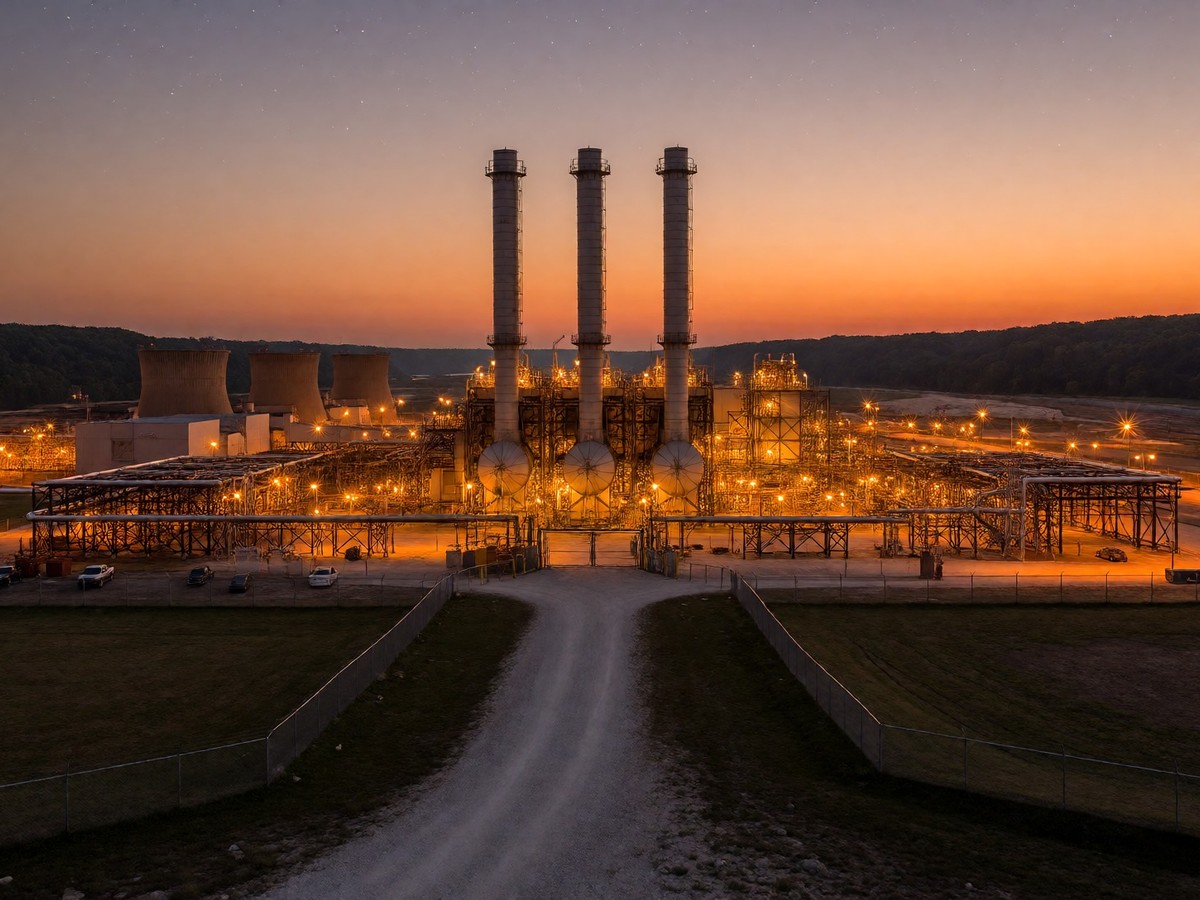
Marathon Digital’s energized hash rate reached 72.2 exahash in the first quarter of 2026. This expansion follows a target to reach 50 exahash by the end of 2025. Fred Thiel, the chairman and CEO, focuses on controlling energy to maintain low production costs. The 250 megawatt Abu Dhabi joint venture operates with nearly 100 percent uptime using advanced immersion technology. This move shifts the company toward high-performance computing and artificial intelligence workloads. The Long Ridge acquisition expands owned capacity from 1.3 gigawatts to 2.2 gigawatts. This site includes a 505 megawatt combined-cycle gas turbine. The deal provides a path to expand capacity from 200 megawatts to over 1 gigawatt. I find the integration of the Long Ridge gas turbine the most effective way to control energy for the company. This asset generated $144 million in annualized adjusted EBITDA during the second half of 2025. The company holds 35,303 Bitcoin. Marathon manages various sites, including 42 megawatts in Minden, Nebraska, and 200 megawatts in Matagorda County, Texas. The company also manages 132 megawatts of behind-the-meter power in Texas. This pivot includes the acquisition of a majority interest in Exaion, a French subsidiary of EDF, to bolster sovereign AI capabilities. The company is working on a partnership with Starwood to secure computing capacity. Starwood brings data center development and engineering expertise to the venture. This deployment now has 2,100 miners, or 0.3 exahash, operational in Paraguay.
CleanSpark’s Wyoming expansion
CleanSpark targets 50 exahash through a strategy of diversifying its mining portfolio. The company agreed to buy two Wyoming sites for $18.75 million to add 75 megawatts of power. These locations allow for an additional 55 megawatt expansion. CleanSpark intends to use S21 and S21 pro machines to reach an output of over 7 exahash. This growth happens alongside a revenue decline of 25 percent in the second quarter of 2026. Revenue fell to $136 million as the average Bitcoin price dropped to $76,000. The company maintains 1.8 gigawatts of contracted power to support these operations. You should monitor the 5.2 cents per kilowatt hour power cost to understand their margin. The company holds $1.2 billion in liquidity. The company manages a 250 megawatt site in Sandersville, Georgia, and a 110 megawatt site in Cheyenne, Wyoming. They also manage 285 megawatts in Sealy, Texas, and 600 megawatts in Brazoria, Texas. CleanSpark reports a Bitcoin production of 1,799 coins for the second quarter. The company’s gross margin stayed above 40 percent. The company also manages a 60 megawatt site in Jackson, Tennessee. Will the expansion in Wyoming offset the margin pressure from falling Bitcoin prices?
The economic math of mining
The economic divide between mining and infrastructure depends on the spread between electricity costs and Bitcoin prices. Hash prices fell to $28 to $30 per petahash per day in early 2026. This follows a peak of $63 per petahash per day in July. Breakeven prices for S19 XP hardware dropped to $0.077 per kilowatt hour in December 2025. Marathon reports a cost of $0.04 per kilowatt hour at owned sites. CleanSpark reports a power cost of 5.2 cents per kilowatt hour. The difference between these electricity costs and the market price of Bitcoin determines which companies can survive the next cycle when the network difficulty rises and rewards drop significantly in the market. The Bitcoin network reached 1 zetahash in late August 2025 and peaked at 1,160 exahash in early October. Difficulty hit 155.97T in October 2025 before falling to 134T in early 2026. Bitcoin prices experienced a 31 percent drawdown from an all-time high of $124,500 in early October to $86,000 by late December. Hash prices fell to $35 to $37 per petahash per day in November 2025. Bitcoin price corrections pushed legacy S19 era hardware below breakeven.
| Entity | Metric | Value |
|---|---|---|
| Marathon | Owned site power cost | $0.04/kWh |
| CleanSpark | Power cost | 5.2¢/kWh |
| CleanSpark | Total liquidity | $1.2B |
| Marathon | Bitcoin holdings | 35,303 BTC |

Join the discussion