
Riot Platforms shifts toward nuclear power and AI data centers
Riot Platforms is pivoting toward small modular nuclear plants through a partnership with Terrestrial Energy to power AI data centers. While mining operations faced cash-negative results in Q2 2026, the Rockdale AI lease expects to generate $9.1 billion in undiscounted revenue.

The Nuclear Power Strategy
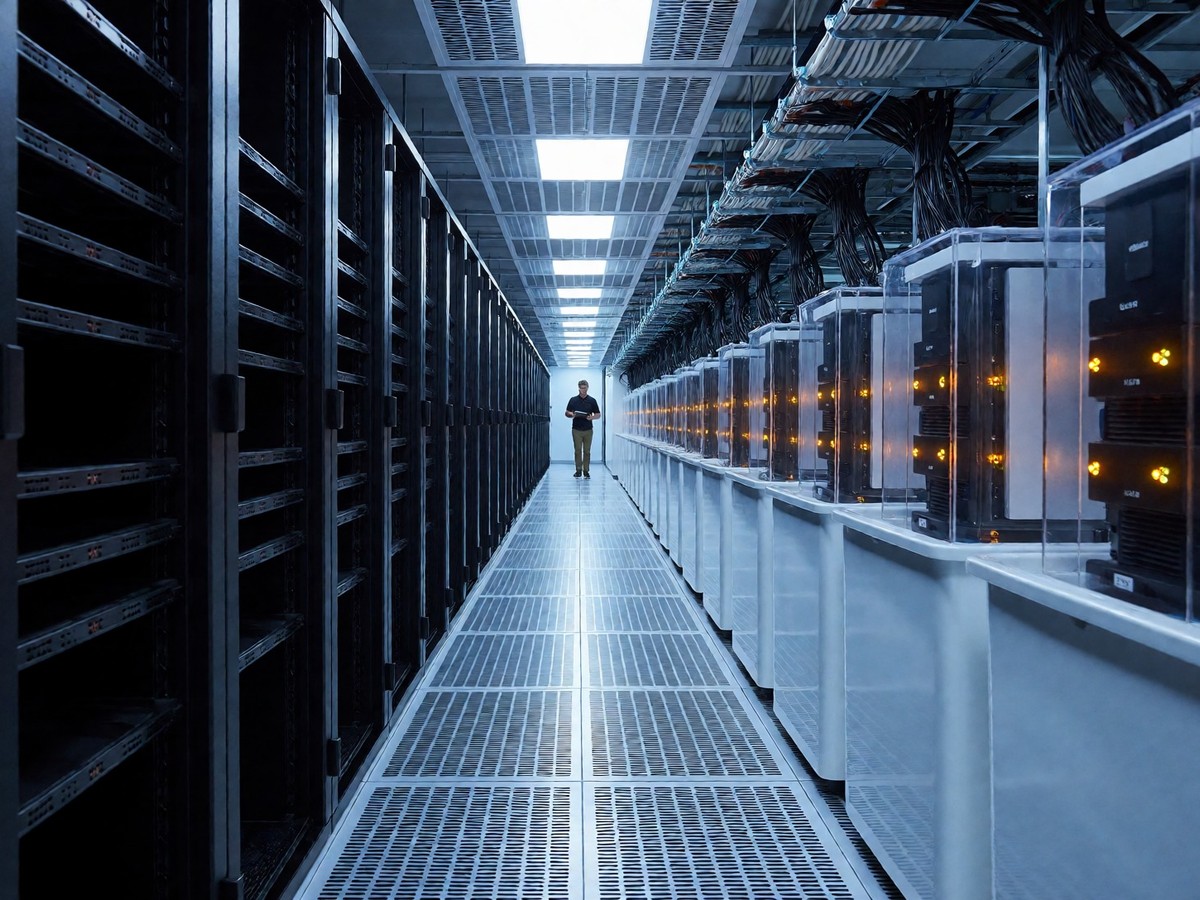
Riot Platforms signed a memorandum of understanding with Terrestrial Energy to develop data centers co-located with small modular nuclear plants. These facilities will use IMSR technology to deliver baseload power. The partnership targets existing sites in Texas and Kentucky. Terrestrial Energy uses standard-assay low enriched uranium, which avoids the supply chain issues associated with high-assay low enriched uranium. I see this as a direct attempt to secure long-term power for AI and high-performance computing. The plan includes the deployment of multiple 390 MW IMSR plants that reach 4 GW of nuclear power capacity. Because the non-nuclear energy conversion systems in these plants are remote and isolated from regulated nuclear systems, the design allows for hybrid energy configurations. This includes using natural gas to support early operations and improve power supply resilience during the project buildout.
The Economic Divergence
The economic reality of Riot’s transition is difficult to reconcile. In Q2 2026, Riot reported $174.2 million in total revenue, with $113.7 million coming from mining and $23.2 million from data centers. The mining operation produced 1,587 bitcoin, but the cost to mine including depreciation was $90,631 per bitcoin against a production value of $71,667. This resulted in a cash-negative position for the mining fleet on a fully-loaded basis. In contrast, the 191 MW contract with a leading frontier AI lab at Rockdale expects to generate $9.1 billion in undiscounted revenue, but this cash only begins to flow after the facility energizes in 2027 or 2028. You should focus on the $2.1 to $2.3 billion in capital expenditure needed to build that capacity.
| Asset Type | Scale/Capacity | Revenue Driver |
|---|---|---|
| Bitcoin Mining | 44.4 EH/s deployed | BTC production |
| AI Lease (Rockdale) | 191 MW capacity | Undiscounted rent |
| AMD Lease | 50 MW capacity | Contracted rent |
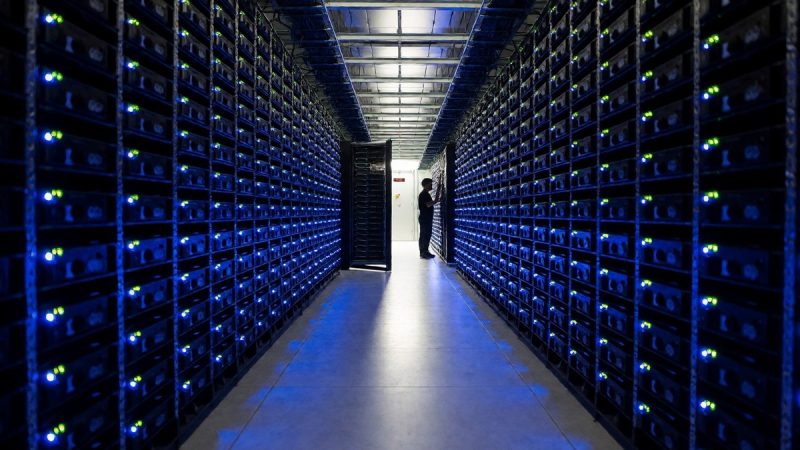
The company manages an AMD lease for 50 MW of critical IT load at Rockdale, which expects to generate $311 million on a 10-year term. This expansion follows an initial 25 MW lease that was fully commissioned in May 2026. The delivered AMD capacity carried an operating lease gross margin of roughly 84%. Management estimates cumulative NOI of $7.3 to $8.2 billion over the base term with an annual average of $365 to $411 million. The build-out for the first 96 MW of this capacity is not scheduled to energize until December 2027. The mining fleet uses MicroBT WhatsMiner M60-series and M66S immersion units, reaching 44.4 EH/s of deployed hash rate with 87% utilization in Q2 2026. The company used its bitcoin treasury to fund these shifts, which fell from 19,273 BTC in mid-2025 to 11,380 by mid-2026. I would say the Bitcoin mining division is currently a heavy weight on the company’s ability to fund its AI ambitions.
Kentucky Expansion and the Bitfarms Legacy
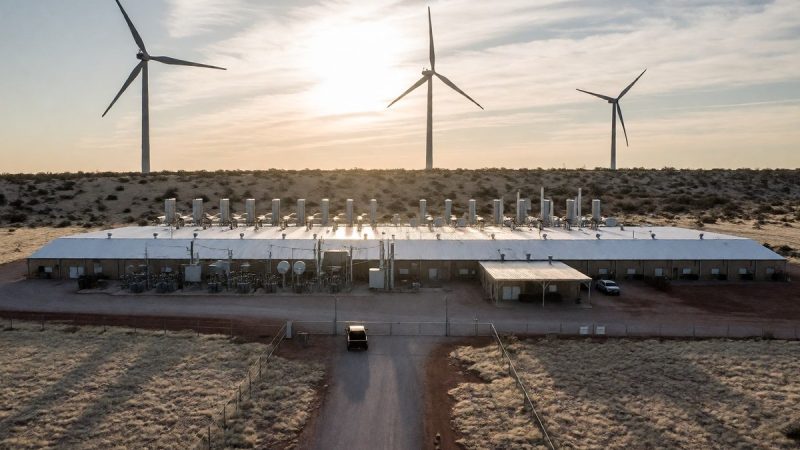
Riot’s past attempt to acquire Bitfarms proves its management can struggle with timing. The company bought a 9.25% stake in May 2024 and sold it by June 2025 at $0.90 per share, a price far below the original cost. This capital loss contrasts with the Kentucky expansion at the Block Mining site, which the company acquired in 2024 for $92.5 million and targets 110 MW of capacity with expansion options up to 300 MW. The shift to AI data centers will create a conflict with the company’s power strategy. Converting mining loads to data center loads eliminates the ability to earn curtailment credits from the grid. Riot earned $31.1 million from these credits in the first half of 2026. The net power cost of $0.036 per kilowatt hour in the second quarter of 2026 was influenced by $10 million in curtailment credits. Since AI tenants require constant uptime under service level agreements, Riot cannot curtail their power during grid stress events. Will the high rent from AI tenants outweigh the loss of these power credits?


Join the discussion