
EU MiCA vs US SEC: Stablecoin Issuers Seek Regulatory Clarity
EU MiCA provides unified market access through passporting rights, as demonstrated by Circle securing an EMI license in France. US regulation remains fragmented following the CLARITY Act's failure, leaving issuers to navigate between the GENIUS Act and varying state rules.

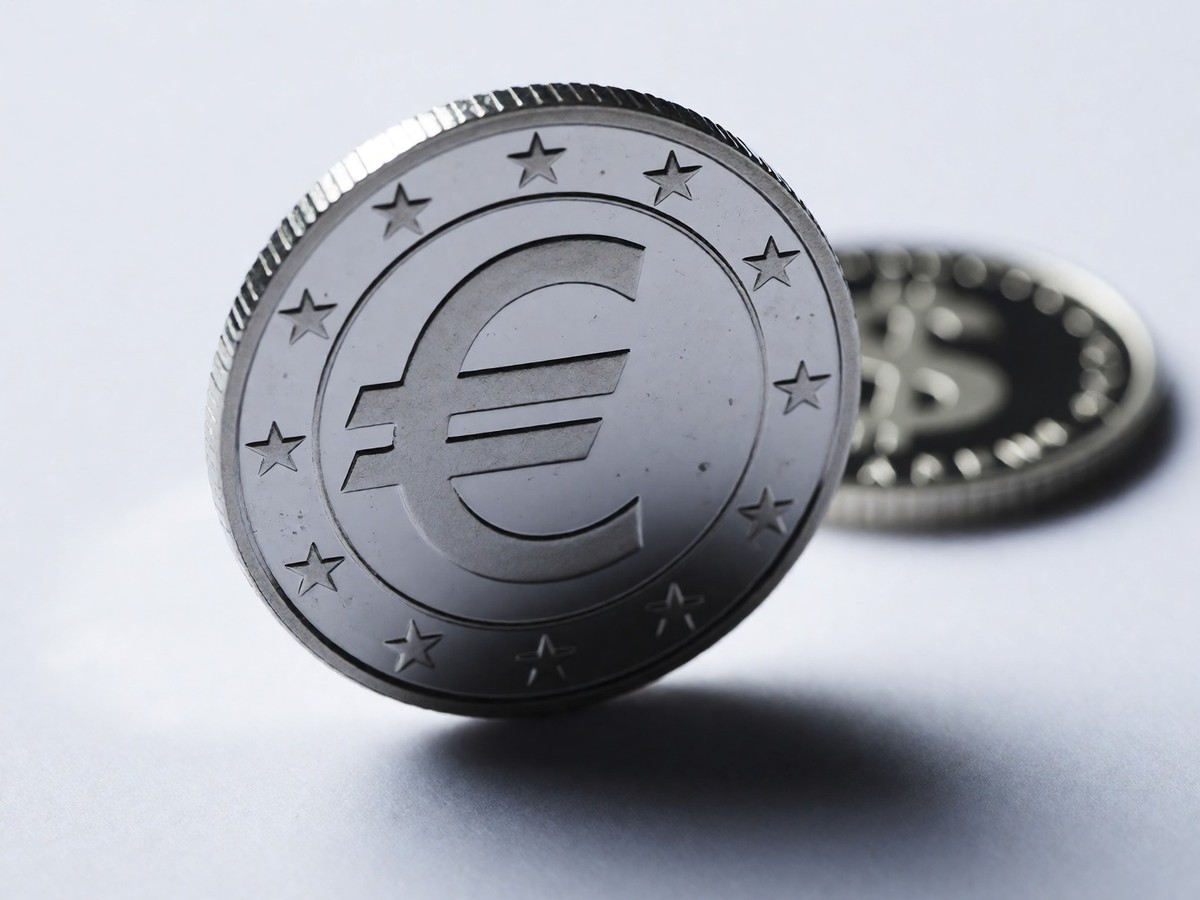
EU MiCA offers unified market access
The EU MiCA framework provides the most efficient environment for stablecoin issuers because it offers a single, unified rulebook. Once a firm obtains authorization from one national authority, it uses passporting rights to operate across the entire European Union. Circle became the first global issuer to achieve this by securing an Electronic Money Institution license from the French regulator. This legal clarity helps businesses avoid the fragmentation seen in other jurisdictions. MiCA requires 100% backing with high-quality, liquid assets and mandates the segregation of reserve assets from operating funds. The European Commission review process for MiCA allows responses through September 30 to inform later legislative proposals that might change how stablecoin issuers manage their reserve assets and specific liquidity thresholds. The proposed liquidity thresholds require non-significant tokens to hold at least 20% of reserves available within one working day and 30% within five working days. For significant tokens, these thresholds rise to 40% and 60%. Current rules require non-significant tokens to keep 30% of reserves as deposits with EU credit institutions, a figure that rises to 60% for significant tokens. Draft safeguards also cap an issuer’s deposit at one systemically important bank at 25% of reserves. Concentrated reserve holdings in commercial banks can transmit distress between an issuer and a lender.
US regulatory fragmentation persists
The US regulatory environment remains fragmented because the CLARITY Act failed a Senate procedural vote on September 15, 2026, with only 49 votes in favor. This legislative stall leaves the SEC and CFTC to manage the market through separate agency actions. The SEC targets rules for how digital assets are offered and sold, as well as market structure changes for trading venues. President Trump signed the GENIUS Act in July 2025, but full implementation does not arrive until January 18, 2027. This law requires 1:1 backing for payment stablecoins using cash, deposits, or short-term Treasury securities. Issuers with more than $10 billion in circulation must obtain a federal license, while smaller firms can choose state regulation if the state rules are substantially similar to federal rules. If you are an institutional issuer, you must decide whether to follow the federal path or the state path. The March 17, 2026, joint SEC and CFTC ruling classified 16 cryptocurrencies as digital commodities. Does the US move toward a unified federal standard or remain split between agencies?
Compliance differences for institutional issuers
Institutional issuers must evaluate different reserve management and licensing rules to ensure compliance. The EU and US regimes both demand 1:1 backing, but the mechanics differ. MiCA focuses on categories like asset-referenced tokens and e-money tokens. The US GENIUS Act focuses on permitted payment stablecoin issuers.
| Requirement | EU MiCA | US GENIUS Act |
|---|---|---|
| Reserve Ratio | 1:1 liquid assets | 1:1 fiat or safe assets |
| Full Implementation | 2026 | January 18, 2027 |
| Licensing Path | Single EU passport | Federal or state |
| Minimum Capital | EUR 50,000 to 150,000 | Not specified |
In the EU, the European Banking Authority provides additional oversight for significant tokens. This oversight includes higher reporting requirements and stricter supervision. The US Treasury and agencies like the OCC oversee federal issuers, while the state manages the qualifying state pathways. The US Treasury determines if state-level regulations are substantially similar to federal rules. For foreign issuers to avoid US jurisdiction, they must maintain controls to prevent issuance to people located in the US and avoid advertising to US users. In the EU, Euro-denominated stablecoins had a market capitalization of about €450 million in January 2026, while Dollar-denominated tokens had roughly $300 billion.




Join the discussion